
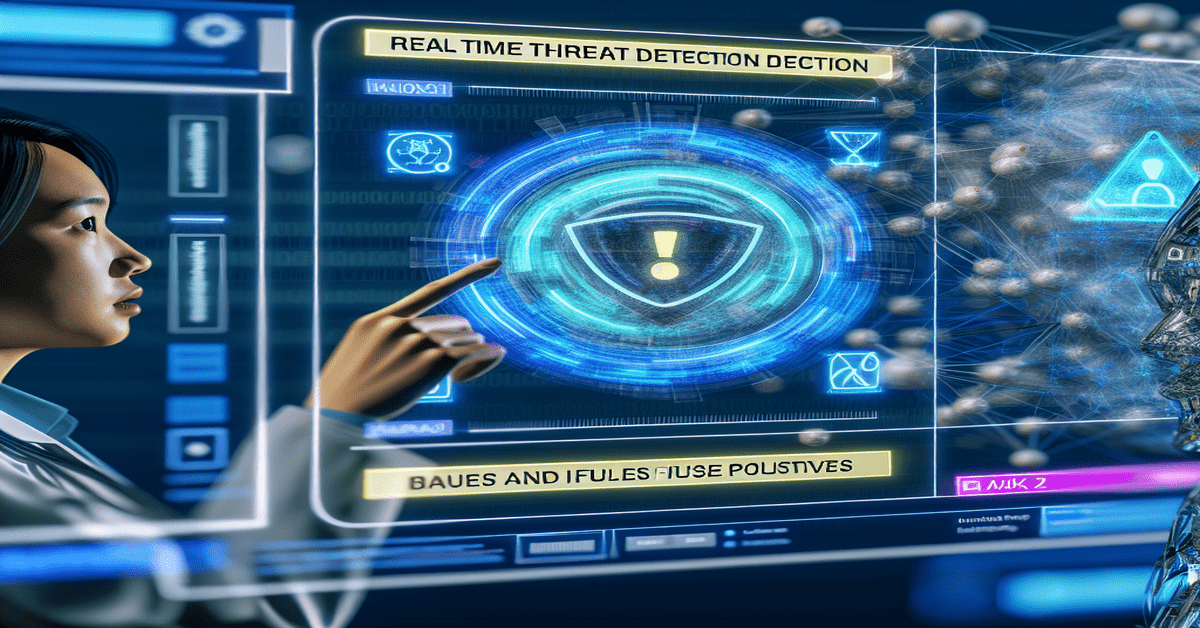
AI and Machine Learning: The Future of Medical Device Cybersecurity
In today’s rapidly evolving healthcare landscape, the integration of artificial intelligence (AI) and machine learning (ML) is revolutionizing the way we approach medical device cybersecurity. As the number of connected medical devices continues to grow, so does the potential for cyber threats that can compromise patient safety and data privacy. This is where AI and ML step in, offering a powerful solution to bolster cybersecurity measures and protect against increasingly sophisticated attacks.
The Power of Real-Time Threat Mitigation
One of the most significant advantages of leveraging AI and ML in medical device cybersecurity is the ability to detect and respond to threats in real-time. Traditional security measures often rely on manual processes and human intervention, which can be time-consuming and prone to errors. However, with AI and ML technologies, healthcare organizations can automate threat detection and mitigation, reducing the window of vulnerability and minimizing the impact of potential breaches.
Faster Identification and Management of Risks
By continuously analyzing vast amounts of data from various sources, such as network traffic, user behavior, and device logs, AI and ML algorithms can quickly identify anomalies and suspicious activities that may indicate a cyber threat. This real-time threat detection enables healthcare providers to take immediate action, isolating affected devices, patching vulnerabilities, and preventing the spread of malware or unauthorized access to sensitive data.
DJ Fang, Cofounder and COO of Pure Global, emphasizes the importance of striking a balance between harnessing the benefits of AI and ML while managing their limitations. “AI and machine learning have the potential to revolutionize medical device cybersecurity, but we must approach their implementation with caution,” Fang explains. “It’s crucial to validate the accuracy and reliability of these technologies, ensuring that they complement human expertise rather than replace it entirely.”
Addressing the Challenges
While AI and ML offer immense potential in enhancing medical device cybersecurity, there are challenges that must be addressed. One of the primary concerns is the risk of algorithmic biases, which can lead to false positives or overlooked threats. To mitigate this issue, healthcare organizations must ensure that their AI and ML models are trained on diverse and representative datasets, regularly updated, and subjected to rigorous testing and validation.
Another challenge lies in the complexity of securing interconnected medical devices and systems. With the proliferation of the Internet of Things (IoT) in healthcare, devices are increasingly connected and data is shared across multiple platforms. This interconnectivity amplifies the potential impact of a cybersecurity breach, as a single compromised device can serve as an entry point for attackers to access the entire network.
The Way Forward
To effectively harness the power of AI and ML in medical device cybersecurity, collaboration among stakeholders is essential. Healthcare providers, medical device manufacturers, cybersecurity experts, and regulatory bodies must work together to establish robust frameworks and best practices for implementing these technologies. This includes developing standardized protocols for data sharing, establishing clear guidelines for AI and ML model development and validation, and fostering a culture of continuous learning and improvement.
Furthermore, ongoing education and training for healthcare professionals is crucial to ensure the successful adoption and utilization of AI and ML in cybersecurity. As these technologies continue to evolve, it is essential for practitioners to stay informed about the latest advancements, best practices, and potential risks associated with their implementation.
Conclusion
The integration of AI and machine learning in medical device cybersecurity holds immense promise for safeguarding patient safety and data privacy in the face of evolving cyber threats. By enabling real-time threat detection and response, these technologies can significantly reduce vulnerabilities and minimize the impact of potential breaches. However, addressing the challenges associated with algorithmic biases, interconnected systems, and the need for collaboration and ongoing education is crucial to realizing the full potential of AI and ML in this context.
As we navigate the future of healthcare cybersecurity, embracing AI and machine learning will be key to staying ahead of the curve and ensuring the resilience of our medical devices and systems. By striking the right balance between leveraging these powerful tools and maintaining human oversight, we can create a safer, more secure healthcare environment for patients and providers alike.
To dive deeper into the fascinating world of AI and machine learning in medical device cybersecurity, be sure to check out the related podcast episode mentioned in the original article. Share your thoughts and experiences in the comments below, and let’s continue the conversation on this critical topic.
#MedicalDeviceCybersecurity #AIinHealthcare #MachineLearning #PatientSafety #DataPrivacy
-> Original article and inspiration provided by SAE Media Group
-> Connect with one of our AI Strategists today at Opahl Technologies
