
The Rise of Vehicle Analytics: Revolutionizing the Future of Transportation
In the rapidly evolving world of transportation, vehicle analytics is emerging as a game-changer, reshaping the industry landscape and revolutionizing the way we travel. As we embark on this transformative journey, it’s crucial to understand the profound impact of vehicle analytics on the future of transportation. In this blog post, we’ll delve into the cutting-edge trends and innovations that are driving this revolution, and explore how they are set to redefine the industry as we know it.
Harnessing the Power of AI and Predictive Maintenance
One of the most significant advancements in vehicle analytics is the integration of **artificial intelligence (AI)**. By leveraging AI algorithms, automotive companies can analyze vast amounts of real-time data generated by vehicles, enabling them to predict maintenance needs with unprecedented accuracy. This proactive approach not only enhances vehicle safety and reliability but also has the potential to save the industry billions of dollars annually by minimizing downtime and optimizing operational efficiency.
Imagine a world where your vehicle can alert you to potential issues before they escalate into costly repairs. With AI-powered predictive maintenance, that vision is becoming a reality. By continuously monitoring key components such as engines, brakes, and tires, these intelligent systems can detect anomalies and provide timely recommendations for servicing. This not only improves the overall performance of vehicles but also provides peace of mind to owners, knowing that their vehicles are being proactively maintained.
The Dawn of Autonomous Vehicles
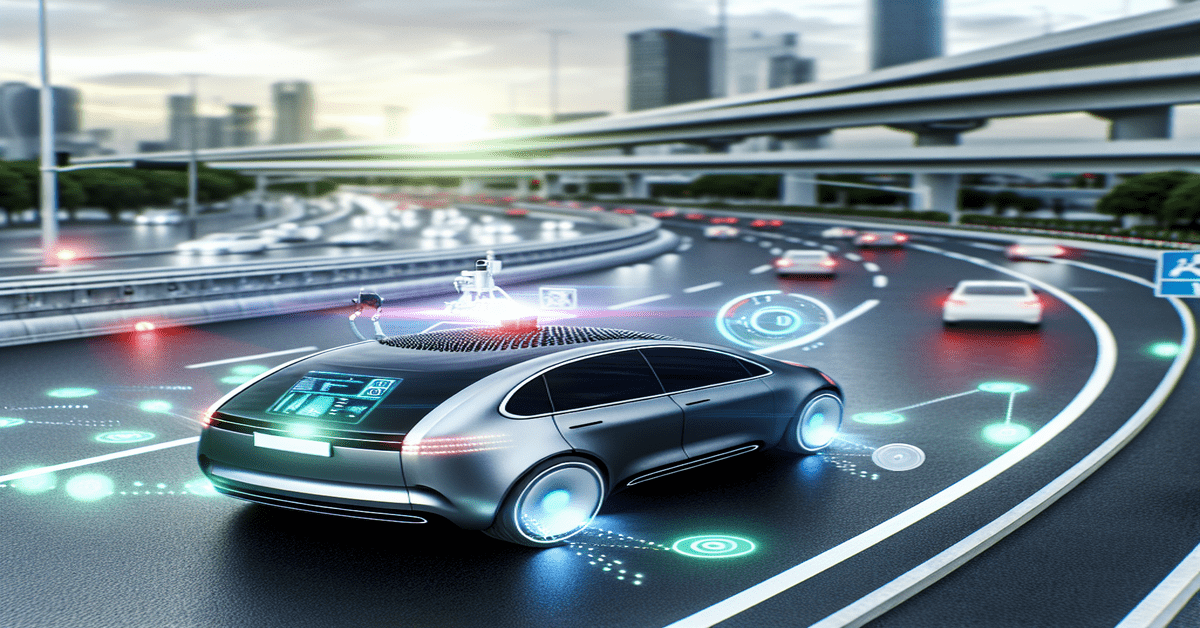
Another groundbreaking development in vehicle analytics is the rise of **autonomous vehicles**. Powered by advanced machine learning algorithms and sophisticated sensors, these self-driving cars are poised to revolutionize transportation as we know it. By leveraging data from cameras, lidar, and radar, autonomous vehicles can navigate complex road environments, optimize routes, and reduce emissions, all while enhancing passenger safety.
The implications of autonomous vehicles extend far beyond personal transportation. Imagine a future where fleets of self-driving trucks efficiently transport goods across highways, reducing the risk of accidents caused by human error and optimizing supply chain logistics. Or envision a world where autonomous ridesharing services provide seamless, eco-friendly mobility solutions in urban areas, reducing traffic congestion and improving air quality. The possibilities are endless, and vehicle analytics lies at the heart of this transformative shift.
Optimizing Urban Mobility with Smart Traffic Management
As cities continue to grow and urban populations expand, traffic congestion has become a major challenge for transportation authorities worldwide. However, vehicle analytics offers a promising solution through **smart traffic management** systems. By harnessing the power of AI and real-time data analysis, these systems can optimize traffic flow, reduce congestion, and improve overall travel times.
Take the example of Singapore, a city-state renowned for its innovative approach to urban mobility. By deploying AI-driven traffic management solutions, Singapore has achieved significant reductions in road congestion, resulting in smoother traffic flow and enhanced quality of life for its residents. These systems continuously monitor traffic patterns, adjust signal timings, and provide real-time information to commuters, enabling them to make informed decisions about their routes and modes of transportation.
The Era of Software-Defined Vehicles
As the automotive industry evolves, we are witnessing a paradigm shift towards **software-defined vehicles (SDVs)**. Unlike traditional vehicles, SDVs are designed with software at their core, allowing for continuous updates, personalization, and the integration of advanced digital features. This transformation is set to redefine the driving experience and create new revenue streams for automotive companies.
By 2035, industry experts predict that a significant portion of automotive revenue will be generated from digital and software-related sources. This presents a tremendous opportunity for automakers to differentiate themselves by offering unique digital experiences, subscription-based services, and personalized features tailored to individual preferences. From in-car entertainment systems to advanced driver assistance features, SDVs will revolutionize the way we interact with our vehicles, making them an integral part of our connected lives.
Driving Sustainability through Vehicle Analytics
In addition to enhancing safety, efficiency, and user experience, vehicle analytics also plays a crucial role in promoting **environmental sustainability**. By optimizing routes, reducing fuel consumption, and minimizing emissions, these technologies are contributing to a greener and more sustainable transportation ecosystem.
Imagine a scenario where your vehicle automatically suggests the most eco-friendly route to your destination, taking into account factors such as traffic conditions, road gradients, and weather patterns. By leveraging vehicle analytics, we can make informed decisions that not only save time and money but also reduce our carbon footprint. Furthermore, the adoption of electric vehicles, coupled with intelligent charging infrastructure powered by vehicle analytics, will accelerate the transition towards a cleaner and more sustainable future.
Embracing the Future of Transportation
As we stand on the cusp of this transportation revolution, it’s clear that vehicle analytics will play a pivotal role in shaping the future of mobility. From enhancing safety and efficiency to driving sustainability and transforming business models, the potential impact of these technologies is vast and far-reaching.
As industry professionals, it is our responsibility to embrace these advancements and actively participate in shaping the future of transportation. By staying informed about the latest trends, collaborating with innovators, and adapting our strategies accordingly, we can position ourselves at the forefront of this transformative journey.
So, let us embark on this exciting path together, harnessing the power of vehicle analytics to create a safer, smarter, and more sustainable transportation ecosystem. The future is here, and it’s time to buckle up and enjoy the ride!
#VehicleAnalytics #TransportationRevolution #FutureOfMobility
-> Original article and inspiration provided by ReviewAgent.ai
-> Connect with one of our AI Strategists today at ReviewAgent.ai