
The Rise of Deepfakes: How AI-Generated Voice Clones Could Impact Elections
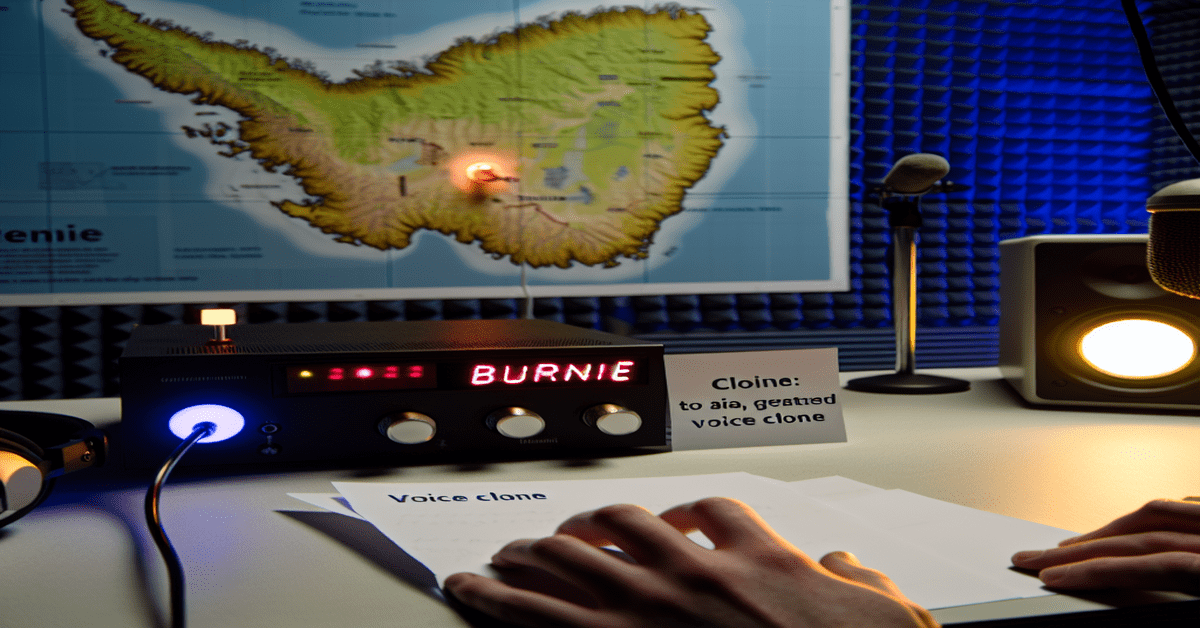
In a stunning demonstration of the power and accessibility of artificial intelligence, ABC News Verify recently created an AI-generated voice clone of Tasmanian Senator Jacqui Lambie for just $100. The experiment, conducted with Senator Lambie’s permission, aimed to explore the potential impact of deepfakes in elections and the growing concern surrounding their use in political contexts.
The results were both impressive and alarming. The AI-generated voice clone was convincing enough to fool many people in Senator Lambie’s home region of Burnie, Tasmania, highlighting the potential for deepfakes to deceive and manipulate public opinion. As AI technology continues to advance at a rapid pace, the implications for the future of political discourse and elections are significant.
The Accessibility of Deepfake Technology
One of the most striking aspects of the ABC News Verify experiment is the relatively low cost of creating the AI-generated voice clone. At just $100, this technology is becoming increasingly accessible to a wider range of individuals, including those with malicious intent. As the cost of producing deepfakes continues to decrease, the potential for their misuse in political campaigns and elections is likely to grow.
The ease with which the voice clone was created also raises questions about the ability of the public to distinguish between genuine and fake content. As deepfakes become more sophisticated and convincing, it may become increasingly difficult for individuals to discern the truth, leading to a further erosion of trust in political institutions and the media.
The Convincing Nature of Deepfakes
The AI-generated voice clone of Senator Lambie was surprisingly convincing, fooling many people familiar with her voice. This level of conviction highlights the potential for deepfakes to be used to spread misinformation and manipulate public opinion in the lead-up to elections.
In a political climate already marked by heightened polarization and mistrust, the use of deepfakes could further exacerbate these issues. By creating fake content that appears genuine, bad actors could seek to influence voter behavior, sow discord, and undermine the integrity of the democratic process.
The Ethical Implications of Deepfakes in Politics
The use of deepfakes in political contexts raises significant ethical concerns. As the technology becomes more advanced and accessible, there is a growing risk that it could be used to deceive voters, spread misinformation, and manipulate public opinion.
To address these concerns, it is essential that policymakers, technology companies, and the media work together to develop strategies for detecting and combating deepfakes. This may include investing in research and development of deepfake detection tools, implementing regulations to prevent the malicious use of the technology, and educating the public about the risks associated with deepfakes.
The Need for Public Awareness and Media Literacy
As deepfakes become more prevalent in political contexts, it is crucial that the public is equipped with the knowledge and skills necessary to critically evaluate the content they encounter online. This requires a concerted effort to promote media literacy and raise awareness about the potential for deepfakes to deceive and manipulate.
Educational institutions, media organizations, and civil society groups have an important role to play in this regard. By providing resources and training to help individuals identify and respond to deepfakes, these organizations can help to build a more informed and resilient electorate.
The Role of Technology Companies and Policymakers
Technology companies and policymakers also have a responsibility to address the challenges posed by deepfakes in political contexts. This may include developing and implementing policies to prevent the spread of malicious deepfakes, investing in research and development of detection tools, and collaborating with media organizations and civil society groups to raise public awareness.
As the use of deepfakes in elections becomes a growing concern, it is essential that these stakeholders work together to develop a comprehensive and coordinated response. By taking proactive steps to address the risks associated with deepfakes, we can help to safeguard the integrity of our democratic processes and ensure that voters have access to reliable and trustworthy information.
Conclusion
The ABC News Verify experiment involving the creation of an AI-generated voice clone of Senator Jacqui Lambie serves as a stark reminder of the potential impact of deepfakes in elections. As the technology becomes more advanced and accessible, the risks associated with its misuse in political contexts are likely to grow.
To address these challenges, it is essential that policymakers, technology companies, media organizations, and civil society groups work together to develop strategies for detecting and combating deepfakes. This may include investing in research and development, implementing regulations, and promoting media literacy and public awareness.
By taking proactive steps to address the risks associated with deepfakes, we can help to safeguard the integrity of our democratic processes and ensure that voters have access to reliable and trustworthy information. As we navigate the challenges posed by this emerging technology, it is crucial that we remain vigilant and committed to protecting the fundamental principles of democracy.
#Deepfakes #AIPolitics #ElectionIntegrity #MediaLiteracy #EthicalAI
-> Original article and inspiration provided by ReviewAgent.ai
-> Connect with one of our AI Strategists today at ReviewAgent.ai
