
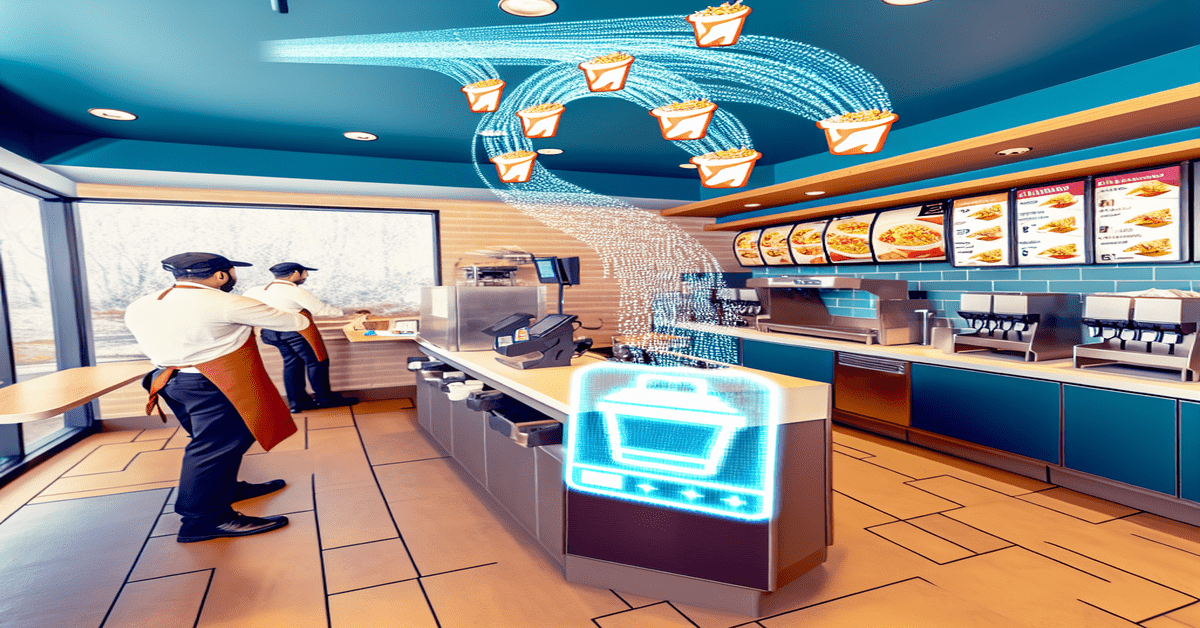
Taco Bell’s AI Ordering System Crashes After Pranksters Order 18,000 Free Water Cups
In a surprising turn of events, Taco Bell’s highly anticipated AI ordering system has hit a major roadblock. The fast-food giant recently announced a slowdown in the rollout of their AI technology after a group of pranksters exploited the system’s vulnerabilities, placing a staggering **18,000 orders for free water cups**. The incident not only overloaded the system but also caused it to crash, forcing Taco Bell to take immediate action and implement emergency protections to prevent similar abuse in the future.
The Prank That Exposed AI’s Limitations
The AI ordering system, designed to streamline the ordering process and enhance customer experience, operated as programmed. However, it lacked the common-sense safeguards that human workers would typically apply, such as **rate limiting** and **abuse detection**. The pranksters took advantage of this oversight, flooding the system with an overwhelming number of orders for free water cups, ultimately leading to its collapse.
This incident highlights a critical lesson for businesses looking to integrate AI into their customer-facing systems. While AI has the potential to revolutionize various industries, it is essential to recognize its limitations and the importance of human oversight. As Taco Bell learned the hard way, failing to implement proper safeguards can leave the system vulnerable to abuse and lead to significant disruptions in service.
The Importance of Building Resilience and Validation
The Taco Bell incident serves as a wake-up call for companies investing in AI technology. It emphasizes the need to build **resilience** and **validation** into these systems to prevent similar incidents from occurring. By incorporating rate limiting and abuse detection mechanisms, businesses can ensure that their AI systems are equipped to handle unexpected scenarios and prevent malicious actors from exploiting vulnerabilities.
Moreover, the incident underscores the crucial role of human oversight in the deployment of AI systems. While AI can automate certain processes and improve efficiency, it is not a replacement for human judgment and common sense. By having human workers monitor and validate the AI’s actions, companies can catch potential issues early on and intervene before they escalate into full-blown crises.
The Reputational Damage and Loss of Consumer Trust
Beyond the technical implications, the Taco Bell incident also highlights the potential for reputational damage and loss of consumer trust when AI systems fail. In today’s digital age, news of such incidents spreads rapidly, and customers are quick to voice their frustrations on social media. The negative publicity surrounding the water cup prank could have lasting effects on Taco Bell’s brand image and customer loyalty.
To mitigate these risks, companies must prioritize transparency and effective communication when implementing AI systems. By being upfront about the capabilities and limitations of their AI technology, businesses can manage customer expectations and foster a sense of trust. Additionally, having a well-defined crisis management plan in place can help companies respond swiftly and effectively to any issues that may arise.
Looking Ahead: Lessons Learned and Future Implications
As the dust settles on the Taco Bell incident, it is crucial for the industry to reflect on the lessons learned and consider the future implications of AI in customer-facing roles. While the potential benefits of AI are undeniable, companies must approach its implementation with caution and a deep understanding of its limitations.
Moving forward, businesses should prioritize collaboration between AI experts, industry professionals, and customer service teams to develop robust and resilient AI systems. By combining the power of AI with human intuition and oversight, companies can create a seamless and secure customer experience that meets the evolving needs of their clientele.
Furthermore, the incident should spark a broader conversation about the ethical considerations surrounding AI deployment. As AI becomes more prevalent in our daily lives, it is crucial to establish clear guidelines and regulations to ensure its responsible use. This includes addressing issues such as data privacy, bias, and accountability to maintain public trust and confidence in these technologies.
The Road Ahead for Taco Bell and the Industry
For Taco Bell, the road ahead involves carefully reviewing its AI ordering system, implementing necessary safeguards, and rebuilding customer trust. The company has already taken the first step by slowing down the rollout and addressing the vulnerabilities exposed by the water cup prank. By being transparent about the incident and communicating the steps they are taking to prevent future occurrences, Taco Bell can demonstrate its commitment to providing a secure and reliable ordering experience for its customers.
The industry as a whole must also learn from Taco Bell’s experience and adapt accordingly. As more businesses explore the potential of AI in customer-facing roles, it is essential to prioritize security, resilience, and human oversight. By doing so, companies can harness the power of AI while minimizing the risks associated with its implementation.
In conclusion, the Taco Bell incident serves as a cautionary tale for businesses seeking to integrate AI into their customer-facing systems. It highlights the importance of building resilience, validation, and human oversight into these technologies to prevent abuse and maintain customer trust. As the industry continues to evolve, it is crucial for companies to approach AI implementation with a strategic and responsible mindset, ensuring that the benefits of these technologies are realized while mitigating potential risks.
Share your thoughts and experiences with AI in the comments below. How do you think businesses can strike the right balance between leveraging AI’s potential and maintaining customer trust? Let’s start a conversation and explore the future of AI together.
#ArtificialIntelligence #CustomerExperience #TacoBell #AIOrdering #IndustryLessons
-> Original article and inspiration provided by Abhinav Singh
-> Connect with one of our AI Strategists today at Opahl Technologies
