
The AI Revolution: Bill Gates’ Warning and What It Means for the Future of Work
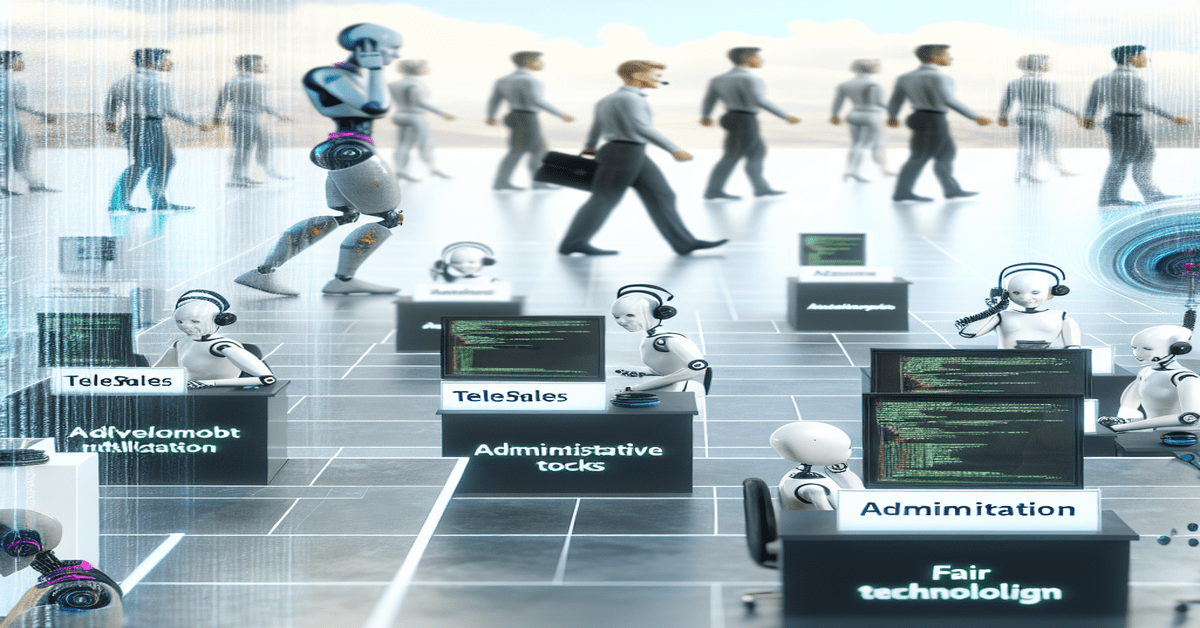
The rapid advancement of artificial intelligence (AI) is transforming the landscape of work as we know it. In a recent statement, Bill Gates, co-founder of Microsoft and renowned tech visionary, warned that AI is progressing faster than anticipated, already displacing entry-level white-collar jobs such as telesales, administrative tasks, and coding. This revelation has sent shockwaves through industries worldwide, prompting urgent discussions about the future of employment and the need for workforce adaptation.
The Pace of AI Advancement
Gates’ warning underscores the accelerating pace of AI development. He predicts that up to 50% of entry-level white-collar jobs could be automated within the next five years, a staggering figure that highlights the immense potential of AI to reshape the labor market. While the timeline for AI replacing more complex roles remains uncertain, Gates suggests it could occur within one to ten years.
This rapid advancement is driven by the exponential growth in computing power, the availability of vast amounts of data, and the development of sophisticated algorithms. As AI systems become more intelligent and capable, they are increasingly able to perform tasks that were once considered the exclusive domain of human workers.
The Impact on Entry-Level Jobs
The jobs most immediately at risk are those in entry-level positions, particularly in industries such as customer service, data entry, and software development. These roles often involve repetitive tasks and follow well-defined processes, making them prime candidates for automation.
For example, AI-powered chatbots and virtual assistants are already handling customer inquiries and support requests, reducing the need for human customer service representatives. Similarly, automated data entry systems are streamlining administrative tasks, while AI-assisted coding tools are making software development more efficient.
The Need for Workforce Adaptation
As AI continues to advance and displace jobs, the need for workforce adaptation becomes increasingly urgent. Gates emphasizes the importance of younger generations, particularly Gen Z, learning and mastering AI tools to stay competitive in the rapidly evolving job market.
This adaptation will require a significant shift in education and training, with a greater emphasis on skills that complement AI rather than compete with it. Workers will need to develop expertise in areas such as data analysis, problem-solving, critical thinking, and emotional intelligence – skills that are currently difficult for AI to replicate.
The Role of Companies
Companies also have a crucial role to play in navigating this transition. Tech giants like IBM and Microsoft are already automating thousands of jobs, signaling a major shift in the way work is performed. However, it is essential that companies adopt AI responsibly and ethically, considering the social and economic implications of their decisions.
This includes investing in reskilling and upskilling programs to help workers adapt to new roles, as well as developing policies and practices that ensure the benefits of AI are distributed fairly across society. Companies must also be transparent about their use of AI and engage in open dialogue with employees, policymakers, and the public to build trust and understanding.
The Potential Benefits and Challenges
While the displacement of jobs by AI is a significant concern, it is important to recognize the potential benefits as well. AI has the power to improve productivity, reduce errors, and free humans from routine and repetitive tasks, allowing them to focus on higher-value work that requires creativity, empathy, and judgment.
However, the adoption of AI also raises complex challenges related to workforce adaptation, income inequality, and the fair distribution of the benefits of automation. As AI becomes more prevalent, it is crucial that society engages in a thoughtful and inclusive dialogue about how to navigate these challenges and ensure that the benefits of AI are shared widely.
Conclusion
Bill Gates’ warning about the rapid advancement of AI and its impact on entry-level white-collar jobs serves as a wake-up call for individuals, companies, and society as a whole. As we stand on the brink of a new era of work, it is essential that we proactively address the challenges and opportunities presented by AI.
By investing in education and training, adopting AI responsibly and ethically, and engaging in open dialogue, we can harness the power of AI to create a future of work that is more productive, fulfilling, and equitable for all.
To stay ahead of the curve and navigate the AI revolution successfully, it is crucial to stay informed, adapt your skills, and embrace lifelong learning. By doing so, you can position yourself for success in an increasingly AI-driven world.
#ArtificialIntelligence #FutureOfWork #WorkforceAdaptation
-> Original article and inspiration provided by CoinCentral
-> Connect with one of our AI Strategists today at Opahl Technologies
