
California Revolutionizes Wildfire Risk Assessment with Verisk Model Approval
In a groundbreaking move, the California Department of Insurance (CDI) has officially approved the Verisk Wildfire Model for use in insurance rate-setting. This marks the first time a wildfire catastrophe model has been certified under the state’s new regulatory framework, signaling a significant shift towards a more proactive and data-driven approach to managing wildfire risks[1][3][4].
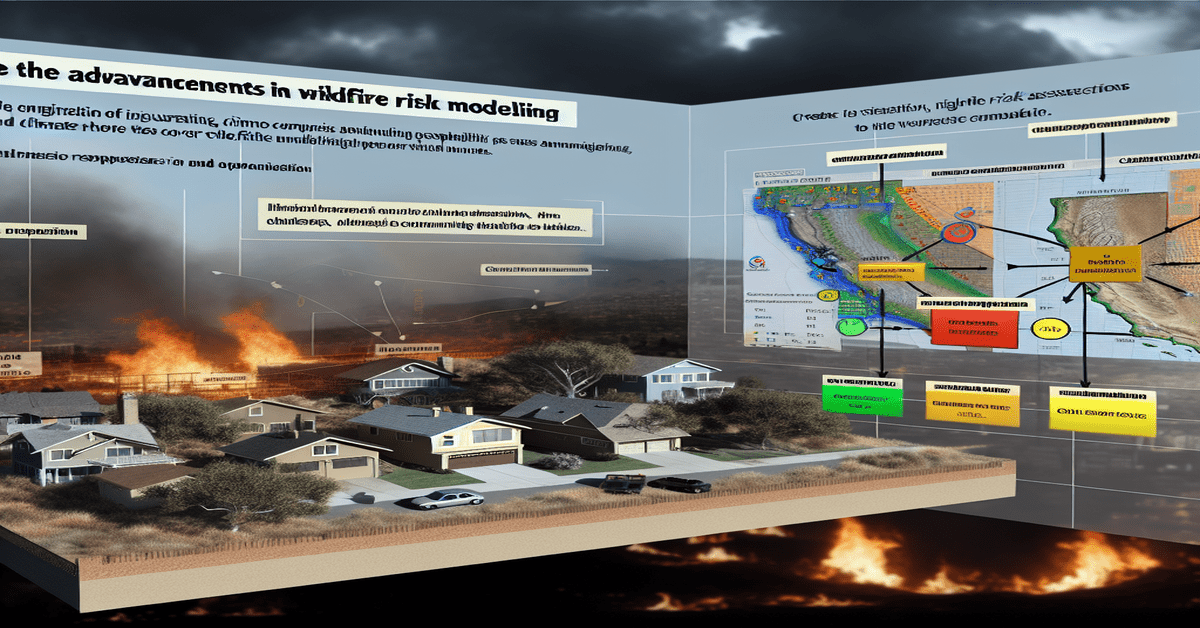
The Verisk Wildfire Model, developed by Verisk’s Extreme Event Solutions unit, is a testament to the power of science and technology in addressing complex challenges. By integrating decades of wildfire science, engineering, and climate data, the model delivers highly detailed risk assessments at both property and community levels. This granular approach enables insurers to make more informed decisions and develop tailored strategies for managing wildfire risks in a rapidly changing environment[1][3].
Addressing the Challenges of Wildfire Risk in a Changing Climate
California’s insurance market has been grappling with the growing challenges posed by wildfires in recent years. As climate change continues to exacerbate the frequency and severity of these events, insurers have been struggling to accurately assess and price wildfire risks using outdated models. This has led to a concerning trend of companies withdrawing from high-risk wildfire areas, leaving many homeowners without adequate coverage options[1][3].
The approval of the Verisk Wildfire Model represents a crucial step towards stabilizing California’s insurance market and ensuring that residents in wildfire-prone areas have access to the protection they need. By leveraging cutting-edge science and technology, the model provides a more reliable and nuanced understanding of wildfire risks, enabling insurers to make data-driven decisions and develop sustainable underwriting strategies[1][3].
Combining Advanced Modeling with Innovative Policy Reforms
The certification of the Verisk Wildfire Model is part of Commissioner Ricardo Lara’s broader Sustainable Insurance Strategy, which aims to promote a more resilient and equitable insurance market in California. Under this strategy, insurers are required to maintain and write coverage in wildfire-prone areas when using approved catastrophe models. This innovative approach combines the power of forward-looking modeling with mandatory insurer commitments to cover higher-risk homes, ensuring that homeowners have access to the insurance they need[2][3].
By linking the use of advanced catastrophe models with policy reforms, California is taking a proactive stance in addressing the challenges of wildfire risk management. This holistic approach not only promotes the use of cutting-edge science and technology but also ensures that the benefits of these advancements are distributed equitably across the state. By reducing reliance on the FAIR Plan, a state-run insurer of last resort, the Sustainable Insurance Strategy aims to restore consumer insurance options and foster a more stable and competitive insurance market[2][3].
Setting a Precedent for Transparency and Stakeholder Engagement
The approval process for the Verisk Wildfire Model exemplifies California’s commitment to transparency and stakeholder engagement in the development and implementation of new regulations. The CDI conducted a thorough review process, known as the Pre-Application Required Information Determination (PRID), which included public reviews and the involvement of consumer advocates[4][5].
This inclusive approach ensures that the interests of all stakeholders, including homeowners, insurers, and consumer protection groups, are considered in the decision-making process. By fostering open dialogue and collaboration, California is setting a strong precedent for how regulatory bodies can work together with industry and the public to develop effective solutions to complex challenges.
Looking Ahead: The Future of Wildfire Catastrophe Modeling
The certification of the Verisk Wildfire Model is just the beginning of a new era in wildfire catastrophe modeling and insurance regulation in California. Several other prominent firms, including CoreLogic, AIR, and RMS, have also submitted models for CDI approval under the new regulations that took effect in early 2025[4][5].
As these models undergo the rigorous review process, it is clear that the industry is embracing a more forward-looking and science-driven approach to assessing and managing wildfire risks. The adoption of advanced catastrophe models, combined with innovative policy reforms, has the potential to transform the way insurers operate in wildfire-prone areas, promoting greater resilience, stability, and equity in the insurance market.
A Call to Action: Embracing Science and Collaboration for a More Resilient Future
The approval of the Verisk Wildfire Model in California serves as a powerful reminder of the importance of embracing science, technology, and collaboration in the face of complex challenges. As the world continues to grapple with the impacts of climate change and the growing threat of natural disasters, it is essential that we adopt a proactive and data-driven approach to risk management.
By leveraging the power of advanced modeling tools and fostering close collaboration between regulators, industry, and the public, we can develop more effective strategies for mitigating risks, protecting communities, and building a more resilient future. The success of California’s new regulatory framework for wildfire catastrophe modeling serves as an inspiring example of what can be achieved when we work together towards a common goal.
As we move forward, it is crucial that we continue to invest in the development and adoption of cutting-edge technologies, while also prioritizing transparency, equity, and stakeholder engagement in the decision-making process. Only by combining the best of science, policy, and collaboration can we hope to overcome the complex challenges posed by a changing climate and build a more sustainable and resilient world for generations to come.
#WildfireRiskManagement #CatastropheModeling #SustainableInsurance
-> Original article and inspiration provided by Best American Insurance
-> Connect with one of our Best American Insurance Agents today at Best American Insurance
