
Chubb’s Climate Pledge Violation: A Setback for Sustainable Insurance
In a surprising turn of events, Chubb, one of the leading U.S. insurers, has found itself in the spotlight for breaking its own climate pledge made in 2019. The company’s decision to provide insurance support to a new coal-fired power plant in Vietnam has raised eyebrows and drawn sharp criticism from environmental advocates. This move not only undermines Chubb’s commitment to addressing climate change but also raises questions about the integrity of corporate sustainability pledges in the insurance industry.
The 2019 Climate Pledge: A Promise to Phase Out Coal
Back in 2019, Chubb made a bold announcement that showcased its dedication to combating climate change. The company unveiled a policy that aimed to phase out insurance and investments in companies generating more than 30% of their revenues from coal by 2022. Furthermore, Chubb pledged to stop underwriting new coal-fired plants altogether. This move was widely praised by environmentalists and set a positive example for other insurers to follow.
The Nghi Son 2 Coal Plant: A Breach of Policy
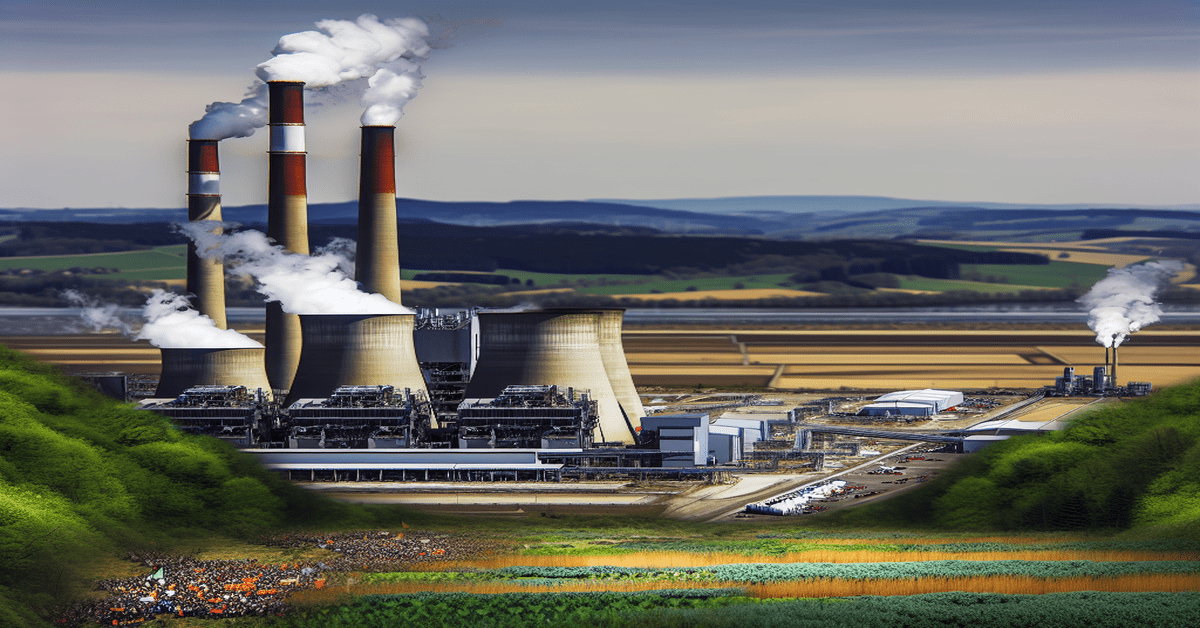
Fast forward to 2025, and Chubb’s commitment to its climate pledge has come under scrutiny. It was revealed that the company is reinsuring the Nghi Son 2 coal plant in Vietnam, a facility that runs entirely on coal and has the potential to emit a staggering 175 million tonnes of CO2 over its 25-year lifespan. This involvement directly violates Chubb’s own policy, which explicitly prohibits support for companies heavily reliant on coal energy.
Environmental Advocates Speak Out
The news of Chubb’s policy breach has not gone unnoticed by environmental advocates. They have labeled the company’s actions as “**egregious**” and a clear violation of its own stated climate policy. The decision to support the Nghi Son 2 coal plant has been met with fierce criticism, as it undermines the progress made in the fight against climate change and raises doubts about the sincerity of corporate sustainability commitments.
The Implications for the Insurance Industry
Chubb’s actions have far-reaching implications for the insurance industry as a whole. As one of the leading insurers in the United States, Chubb’s decision to break its climate pledge sets a worrying precedent. It raises questions about the reliability and effectiveness of corporate sustainability policies and whether they are merely empty promises made to appease stakeholders.
Moreover, this incident highlights the **crucial role** that insurers play in the transition to a low-carbon economy. By providing insurance support to coal-fired power plants, insurers are effectively enabling the continuation of fossil fuel dependence and contributing to the escalation of greenhouse gas emissions. It is imperative that insurers align their actions with their stated sustainability goals and take concrete steps to support the shift towards clean energy.
The Need for Accountability and Transparency
The revelation of Chubb’s policy breach underscores the need for greater accountability and transparency in the insurance industry. Stakeholders, including policyholders, investors, and the general public, have a right to know whether the companies they support are genuinely committed to sustainable practices. Insurers must be held accountable for their actions and face consequences when they fail to uphold their own climate pledges.
Additionally, there is a growing demand for standardized and robust sustainability reporting in the insurance sector. Companies should be required to disclose their environmental, social, and governance (ESG) performance, including their involvement in coal and other fossil fuel projects. This transparency will enable stakeholders to make informed decisions and hold insurers accountable for their sustainability commitments.
The Way Forward: Renewed Commitment to Climate Action
In light of Chubb’s policy breach, it is crucial that the insurance industry renews its commitment to climate action. Insurers must recognize the **urgent need** to phase out support for coal and other fossil fuels and instead focus on promoting clean energy solutions. This requires not only setting ambitious sustainability targets but also implementing strict policies and procedures to ensure compliance.
Furthermore, insurers should actively engage with their clients and investee companies to encourage the adoption of sustainable practices. By leveraging their financial influence and risk assessment expertise, insurers can drive positive change and support the transition to a low-carbon economy.
Conclusion
Chubb’s decision to break its climate pledge by supporting a new coal-fired power plant in Vietnam is a significant setback for sustainable insurance. It undermines the progress made in addressing climate change and raises questions about the credibility of corporate sustainability commitments. However, this incident also presents an opportunity for the insurance industry to reflect on its practices and renew its dedication to climate action.
As stakeholders, we must demand greater accountability, transparency, and genuine commitment from insurers. It is time for the insurance industry to step up and play a leading role in the transition to a sustainable future. By aligning their actions with their words and supporting clean energy solutions, insurers can help mitigate the risks posed by climate change and contribute to a more resilient and prosperous world.
#SustainableInsurance #ClimatePledge #CoalPhaseOut
-> Original article and inspiration provided by Best American Insurancehttps://www.facebook.com/32109457015
-> Connect with one of our Best American Insurance Agents today at Best American Insurance
