
The Great Internet Outage of 2025: How a Cloud Glitch Brought Travel to a Standstill
On June 12, 2025, a day that will live in infamy for the tech and travel industries, a massive internet outage struck America, causing widespread disruptions across critical sectors. The outage, which affected major services such as Google, Google Maps, Discord, Cloudflare, YouTube, and Gmail, was part of a broader disruption caused by issues with Google Cloud and Cloudflare. The impact was particularly severe in the travel industry, where airline operations, booking systems, and airport operations were severely impaired.
The Domino Effect: How the Outage Crippled Travel
The outage had a domino effect on the travel industry, causing chaos and confusion for travelers and industry professionals alike. Here’s a breakdown of how the outage impacted various aspects of travel:
Airlines and Booking Systems
The outage **crippled airline operations**, causing flight delays and disruptions. Booking systems for airlines and hotels were also affected, leading to significant downtime for online travel agencies like Expedia, Airbnb, and Booking.com. Travelers were unable to book or modify their reservations, leading to frustration and confusion.
Airport Operations
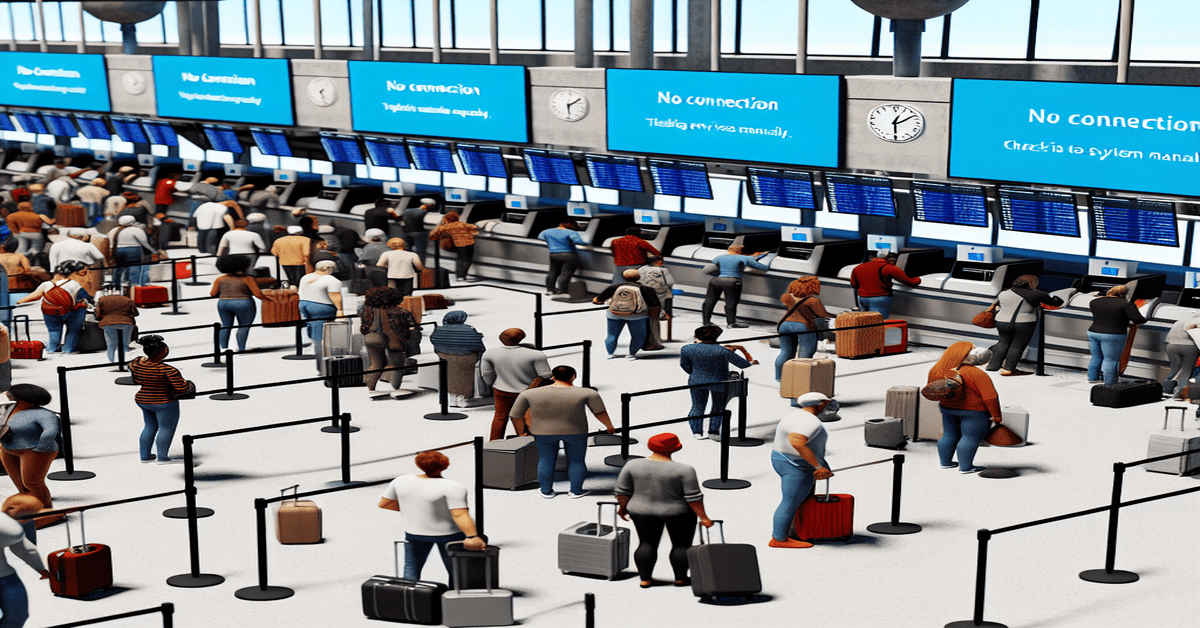
Airports experienced **chaos** as systems reliant on cloud services failed. Check-in counters had to revert to manual processes, resulting in long queues and delays. Baggage handling systems were also affected, causing further disruptions to airport operations.
Cloud Service Disruptions
The root cause of the outage was traced back to **Google Cloud’s Identity and Access Management (IAM) system**, which experienced significant issues. This, combined with service disruptions at Cloudflare, led to widespread connection failures across multiple industries.
The Aftermath: Lessons Learned and the Need for Resilience
The Great Internet Outage of 2025 served as a wake-up call for the tech and travel industries, highlighting the need for greater resilience and redundancy in critical systems. Here are some key lessons learned from the outage:
1. **Diversify cloud providers**: Relying on a single cloud provider can be risky. Companies should consider a multi-cloud strategy to mitigate the impact of outages.
2. **Invest in redundancy**: Critical systems should have built-in redundancy to ensure continuity of operations in the event of an outage.
3. **Develop contingency plans**: Companies should have well-documented and regularly tested contingency plans to minimize disruptions during outages.
4. **Prioritize communication**: Clear and timely communication with customers and stakeholders is crucial during outages to manage expectations and provide updates.
The Future of Travel: Building a More Resilient Industry
The Great Internet Outage of 2025 has sparked a conversation about the future of travel and the need for a more resilient industry. As we move forward, it’s clear that the industry must prioritize investments in technology, infrastructure, and processes that can withstand disruptions.
Some potential areas for investment include:
1. **Edge computing**: Moving computing resources closer to the edge of the network can help reduce reliance on centralized cloud services.
2. **Blockchain technology**: Decentralized systems powered by blockchain technology can provide greater resilience and security for critical travel data.
3. **Artificial intelligence**: AI-powered systems can help automate and streamline travel operations, reducing the impact of outages on manual processes.
4. **Cybersecurity**: As the industry becomes increasingly digital, investing in robust cybersecurity measures is crucial to protect against cyber threats and attacks.
Conclusion
The Great Internet Outage of 2025 was a stark reminder of the vulnerability of critical sectors to digital infrastructure failures. As we move forward, it’s essential that the travel industry learns from this experience and takes proactive steps to build a more resilient future. By investing in technology, infrastructure, and processes that can withstand disruptions, we can ensure that travel remains a seamless and enjoyable experience for all.
What are your thoughts on the future of travel in the wake of the Great Internet Outage of 2025? Share your insights and experiences in the comments below, and let’s continue the conversation on building a more resilient travel industry.
#TravelIndustry #CloudOutage #InternetOutage #IndustryResilience
-> Original article and inspiration provided by ReviewAgent.ai
-> Connect with one of our AI Strategists today at ReviewAgent.ai
