AI Revolutionizes Pharmaceutical Supply Chains: Enhancing Efficiency and Patient Care
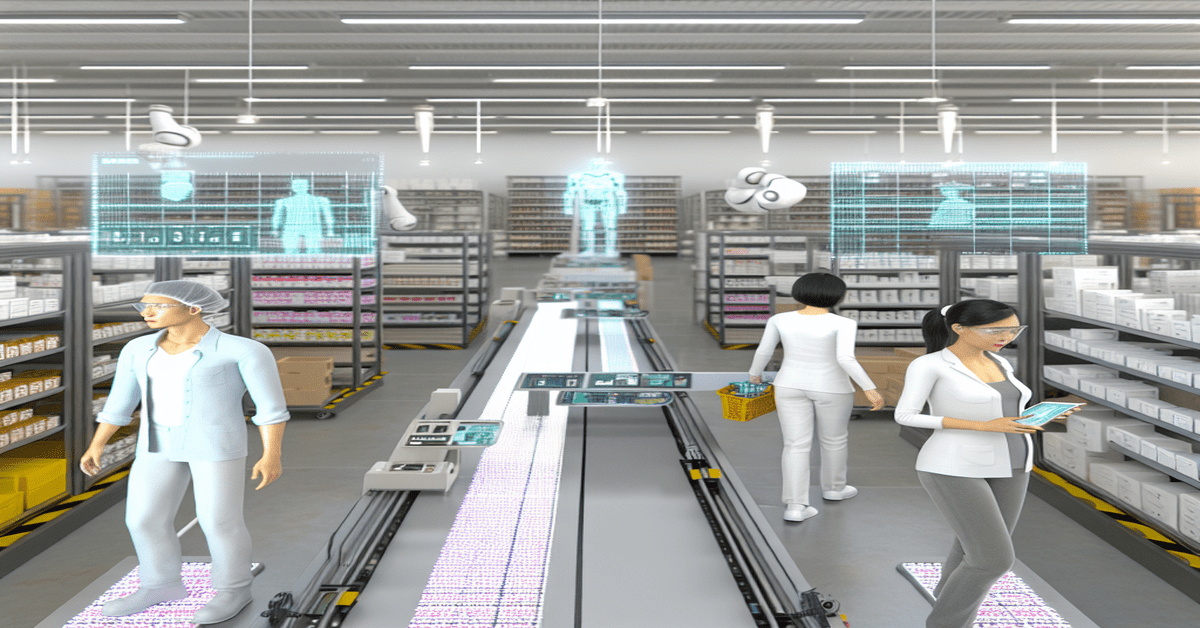
In the fast-paced world of healthcare, pharmaceutical supply chains play a crucial role in ensuring the timely delivery of life-saving medications to patients in need. However, managing these complex networks can be challenging, with numerous factors such as demand fluctuations, regulatory compliance, and potential disruptions impacting the smooth flow of drugs from manufacturers to end-users. Enter artificial intelligence (AI) – a game-changing technology that is transforming the pharmaceutical industry by enhancing supply chain efficiency, reducing risks, and ultimately improving patient care.
Predictive Analytics: Forecasting Demand and Optimizing Inventory
One of the most significant ways AI is revolutionizing pharmaceutical supply chains is through the power of **predictive analytics**. By leveraging vast amounts of historical data, market trends, and real-time supply chain information, AI-driven systems can accurately forecast demand for specific medications, allowing pharmaceutical companies to optimize their inventory levels and minimize the risk of shortages.
Take, for example, the case of a leading pharmaceutical manufacturer that implemented an AI-powered demand forecasting solution. By analyzing patterns in prescription data, seasonal trends, and patient demographics, the system was able to predict a surge in demand for a particular drug six months in advance. This insight enabled the company to adjust its production schedule and ensure an adequate supply of the medication when it was needed most, ultimately benefiting patients who relied on the drug for their well-being.
Real-Time Risk Monitoring: Proactively Mitigating Disruptions
In addition to demand forecasting, AI is also transforming the way pharmaceutical companies monitor and mitigate supply chain risks. With the help of advanced analytics and machine learning algorithms, AI tools can continuously scan vast amounts of data from various sources, such as weather reports, geopolitical events, and supplier performance metrics, to identify potential disruptions in real-time.
For instance, consider a scenario where a natural disaster strikes a region where a key ingredient for a critical medication is manufactured. An AI-powered risk monitoring system can quickly detect this disruption and alert supply chain managers, enabling them to swiftly activate contingency plans and secure alternative sources of the ingredient. By proactively addressing such risks, pharmaceutical companies can minimize the impact of disruptions on their supply chains and ensure the continuous availability of essential drugs for patients.
Automating Processes and Boosting Efficiency
Another key aspect of AI’s impact on pharmaceutical supply chains is the automation of various processes, from order processing and inventory management to quality control and regulatory compliance. By leveraging AI-powered systems, pharmaceutical companies can streamline their operations, reduce manual errors, and improve overall efficiency.
For example, an AI-driven inventory management system can automatically track stock levels, predict reorder points, and generate purchase orders based on real-time demand data. This not only reduces the workload on supply chain personnel but also minimizes the risk of stockouts and overstocking, leading to improved cash flow and reduced waste.
Moreover, AI can help pharmaceutical companies navigate the complex landscape of regulatory compliance. By integrating AI-powered data analytics into existing systems, companies can automatically monitor and report on compliance metrics, ensuring adherence to stringent industry regulations and reducing the risk of costly penalties.
The Future of Pharmaceutical Supply Chains: Embracing AI for Better Patient Care
As the pharmaceutical industry continues to evolve, the adoption of AI in supply chain management is no longer a luxury but a necessity. By harnessing the power of predictive analytics, real-time risk monitoring, and process automation, pharmaceutical companies can build more resilient, efficient, and patient-centric supply chains.
However, the journey towards AI-driven supply chains is not without its challenges. Pharmaceutical companies must invest in the right infrastructure, talent, and partnerships to successfully implement and scale AI solutions across their networks. Additionally, there is a need for clear data governance frameworks and ethical guidelines to ensure the responsible use of AI in healthcare.
Despite these challenges, the potential benefits of AI in pharmaceutical supply chains are immense. By enhancing demand forecasting, optimizing inventory levels, and reducing disruptions, AI can help ensure the timely delivery of critical medications to patients, ultimately improving health outcomes and saving lives.
As we look towards the future, it is clear that AI will play an increasingly pivotal role in shaping the pharmaceutical supply chains of tomorrow. By embracing this transformative technology, the industry can not only enhance operational efficiency but also contribute to the greater goal of providing accessible, affordable, and high-quality healthcare to patients worldwide.
#PharmaceuticalSupplyChain #ArtificialIntelligence #PredictiveAnalytics
-> Original article and inspiration provided by LeadsProMax.aiMark Chiang
-> Connect with one of our LeadsProMax.ai Strategists today at LeadsProMax.ai