
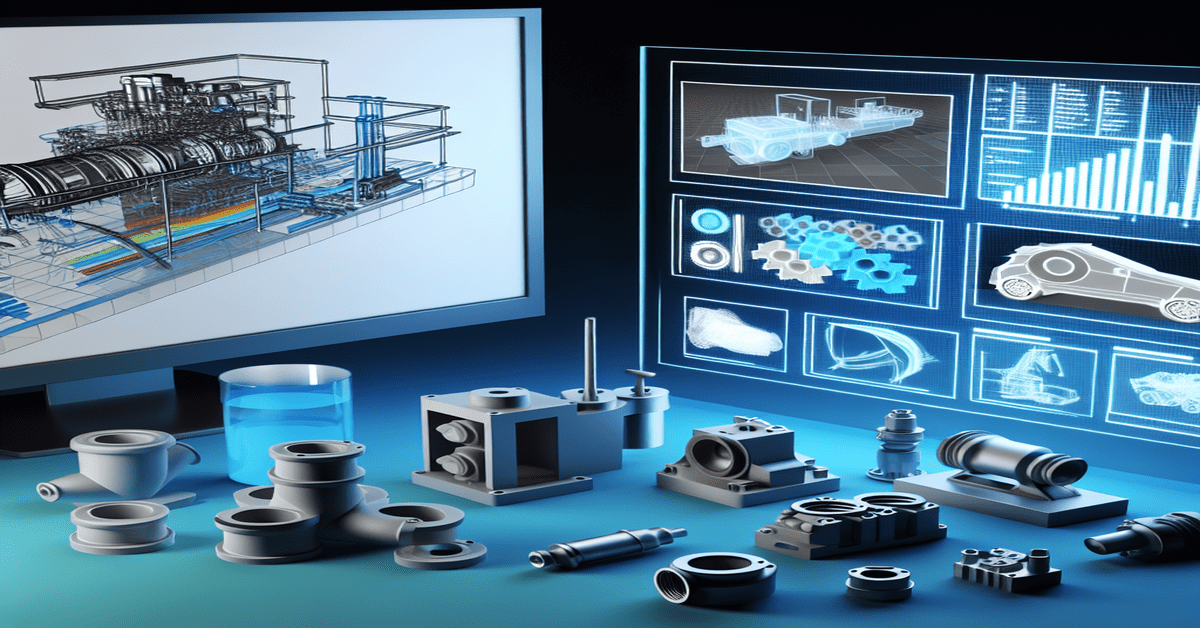
Revolutionizing Product Development and Production with Digital Twins
In today’s fast-paced and highly competitive industrial landscape, companies are constantly seeking innovative ways to streamline their product development processes and optimize production efficiency. One groundbreaking technology that has emerged as a game-changer in this pursuit is the concept of digital twins. By creating virtual replicas of physical products and processes, digital twins are revolutionizing the way industries approach product design, testing, and manufacturing.
The Power of Digital Twins in Product Development
One of the most significant advantages of digital twins is their ability to dramatically reduce the time and costs associated with product development. According to recent studies, the implementation of digital twins can lead to a staggering 20 to 50% reduction in development times, while also lowering the expenses related to physical prototyping[1]. This is made possible by the virtual environment provided by digital twins, which allows for rapid simulation, optimization, and testing of designs without the need for physical prototypes.
A prime example of this transformative impact can be seen in the automotive industry, where companies like Renault are leveraging 3D digital twins to revolutionize their vehicle design process. By creating virtual representations of their vehicles, Renault can optimize various aspects such as **aerodynamics**, **ergonomics**, and **system compatibility** before moving into physical production[1]. This approach not only saves valuable time but also ensures that the first prototype is developed with a high degree of precision and efficiency.
Unleashing the Potential of Digital Twins in Production Processes
Beyond the realm of product development, digital twins are also making significant strides in optimizing production processes. By integrating real-time production data into virtual simulations, digital twins enable manufacturers to make informed decisions that directly impact operational efficiency[1].
LG Electronics, a global leader in consumer electronics, has successfully implemented digital twins in their factory located in Changwon, Korea. By integrating real-time production data into their assembly line simulation, LG Electronics achieved remarkable results, including a **17% increase in operational productivity**, a **70% improvement in product quality**, and a **30% reduction in energy consumption**[1]. These tangible benefits demonstrate the immense potential of digital twins in driving sustainable and efficient manufacturing practices.
The Far-Reaching Benefits of Digital Twins
The impact of digital twins extends far beyond the immediate improvements in product development and production processes. By providing real-time insights and enabling predictive analytics, digital twins empower organizations to make data-driven decisions across the entire product lifecycle. This enhanced decision-making capability allows companies to identify potential issues, optimize performance, and adapt to changing market demands with greater agility.
Moreover, the adoption of digital twins aligns with the growing emphasis on sustainability and efficiency in modern industry. By reducing the reliance on physical prototypes and optimizing production processes, digital twins contribute to minimizing waste, conserving resources, and reducing the overall environmental footprint of manufacturing operations[1].
Embracing the Future with Digital Twins
As the industrial landscape continues to evolve, the importance of digital twins in driving innovation and competitiveness cannot be overstated. Companies that embrace this transformative technology will be well-positioned to navigate the challenges of the future and stay ahead of the curve.
However, the successful implementation of digital twins requires a strategic approach and a willingness to invest in the necessary infrastructure and expertise. It is crucial for organizations to collaborate with experienced technology partners who can guide them through the process of integrating digital twins into their existing workflows and maximizing their potential benefits.
The future of product development and production lies in the hands of those who dare to embrace the power of digital twins. By leveraging this groundbreaking technology, companies can unlock new levels of efficiency, innovation, and sustainability, ultimately reshaping the industry landscape for years to come.
Are you ready to embark on the journey of digital transformation and harness the potential of digital twins in your organization? Share your thoughts, experiences, and insights in the comments below, and let’s engage in a meaningful discussion about the future of product development and production in the era of digital twins.
#DigitalTwins #IndustryTransformation #ProductDevelopment #ProductionOptimization
-> Original article and inspiration provided by Automation.com
-> Connect with one of our LeadsProMax.ai Strategists today at LeadsProMax.ai