
Google’s Veo 3 AI Model: Ushering in a New Era of AI-Generated Video with Synchronized Sound
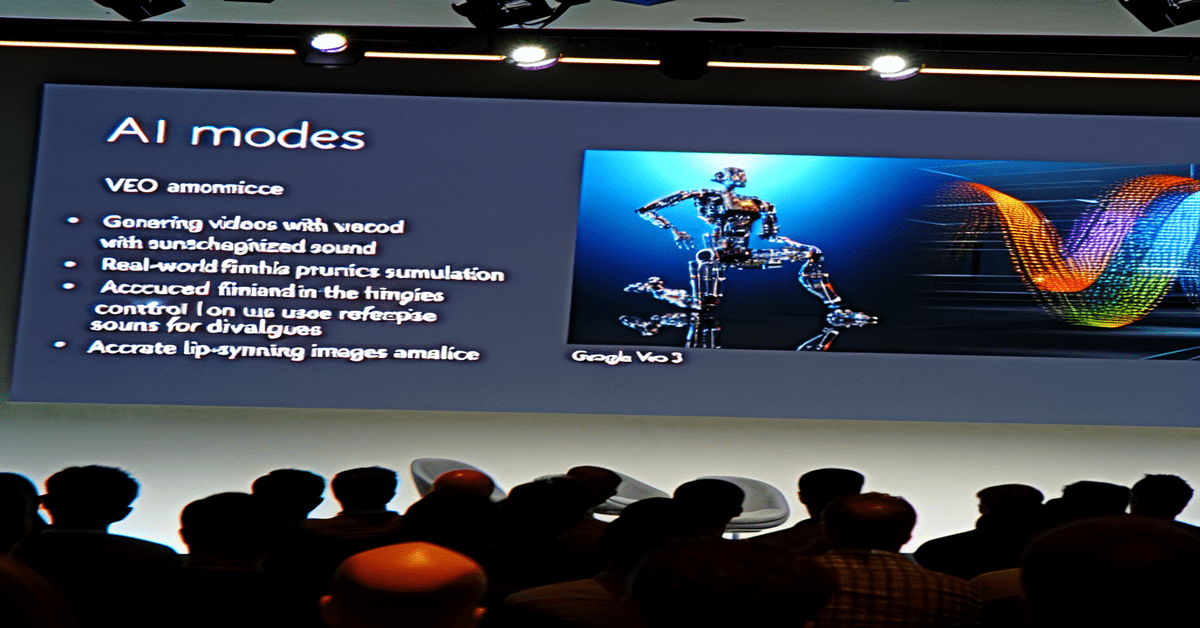
Google’s annual I/O developer conference never fails to captivate the tech world, and the 2025 edition was no exception. Among the numerous groundbreaking announcements, one stood out as a game-changer in the realm of artificial intelligence: the unveiling of Google’s Veo 3 AI model. This revolutionary advancement in AI-generated video marks a significant milestone, as it is the first iteration of Veo capable of creating videos complete with synchronized sound.
The implications of this development are far-reaching, as Veo 3 has the ability to generate realistic audio that perfectly complements the visuals it creates. Imagine watching an AI-generated video of a serene park, with the gentle chirping of birds and the rustle of leaves in the background, or a bustling city street with the authentic sounds of traffic and pedestrian chatter. This level of audio-visual synchronization brings an unprecedented level of immersion and realism to AI-generated content.
Real-World Physics Simulation and Accurate Lip Syncing
In addition to its impressive audio capabilities, Veo 3 excels in simulating real-world physics and accurately syncing lip movements with dialogue. This means that the AI-generated videos will not only look and sound realistic but also behave in a manner consistent with the laws of physics. Objects will interact with each other and the environment in a believable way, further enhancing the overall credibility of the generated content.
Moreover, the accurate lip syncing feature ensures that the characters in the videos will have natural and convincing mouth movements that match the dialogue. This advancement eliminates the uncanny valley effect often associated with AI-generated talking heads, making the videos more engaging and relatable to viewers.
Availability and Integration with Flow
Google has made Veo 3 available to Gemini Ultra subscribers in the United States through the Gemini app, as well as to enterprise users on Vertex AI. This limited rollout allows early adopters and businesses to explore the capabilities of Veo 3 and incorporate it into their creative workflows.
Perhaps the most exciting aspect of Veo 3 is its integration with Flow, Google’s new AI filmmaking tool. Flow combines the power of Veo, Imagen, and Gemini, enabling users to create cinematic clips by simply describing their desired output in natural language. This intuitive interface democratizes the video creation process, making it accessible to a wider audience beyond professional filmmakers and video editors.
Currently, Flow is limited to Google AI Pro and Ultra subscribers in the United States, but there are plans for a wider rollout in the future. As more users gain access to this powerful tool, we can expect to see an explosion of creative and innovative AI-generated videos across various industries and applications.
Coexistence with Veo 2
Despite the introduction of Veo 3, its predecessor, Veo 2, remains a valuable tool in the AI video generation arsenal. Veo 2 offers unique features such as the ability to use reference images for video generation and advanced camera controls in Flow. These functionalities allow users to manipulate scenes and objects within their videos, providing a greater level of creative control and customization.
The coexistence of Veo 2 and Veo 3 demonstrates Google’s commitment to catering to the diverse needs and preferences of its user base. While Veo 3 pushes the boundaries of what is possible with AI-generated video, Veo 2 remains a reliable and versatile option for those who require specific features or have existing workflows built around it.
The Future of AI-Generated Video
The introduction of Google’s Veo 3 AI model represents a significant leap forward in the field of AI-generated video. With its ability to create videos with synchronized sound, realistic physics simulation, and accurate lip syncing, Veo 3 sets a new standard for what is possible with artificial intelligence.
As this technology continues to evolve and become more accessible, we can anticipate a surge in the creation of engaging and immersive video content across various domains. From entertainment and advertising to education and training, the potential applications of AI-generated video are vast and exciting.
However, it is crucial to consider the ethical implications of this technology and ensure that it is used responsibly. As with any powerful tool, there is the potential for misuse, and it is up to the creators and users of AI-generated video to establish guidelines and best practices to prevent abuse and maintain the integrity of the medium.
Embrace the AI Video Revolution
Google’s Veo 3 AI model is a testament to the rapid advancements in artificial intelligence and its transformative impact on the way we create and consume video content. As an industry expert, I urge you to embrace this technology and explore its potential to enhance your creative projects and business endeavors.
Stay informed about the latest developments in AI-generated video, experiment with tools like Veo 3 and Flow, and share your experiences and insights with the community. By actively engaging with this technology and contributing to the discourse surrounding it, we can shape the future of AI-generated video and unlock its full potential.
#AIVideo #Veo3 #GoogleIO2025
-> Original article and inspiration provided by Mariella Moon
-> Connect with one of our AI Strategists today at ReviewAgent.ai
