
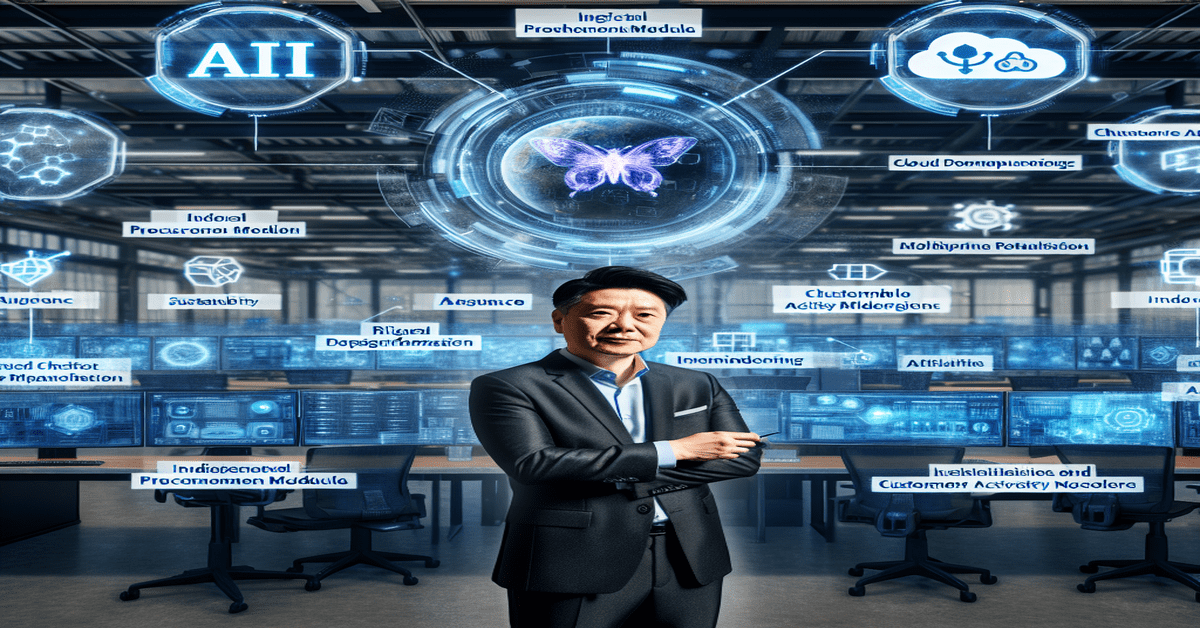
The Future of Supply Chain Management: Dilip Kumar Vaka’s Vision for AI-Driven Innovation
In the rapidly evolving world of supply chain management, one visionary expert stands out for his groundbreaking approach to integrating artificial intelligence (AI) with SAP enterprise resource planning (ERP) systems. With over 18 years of experience specializing in retail and manufacturing supply chains, Dilip Kumar Vaka is redefining innovation and setting new benchmarks for efficiency, agility, and customer-centricity.
Transforming Traditional Supply Chains with Advanced Technologies
Vaka’s expertise lies in leveraging cutting-edge technologies such as AI, machine learning (ML), the Internet of Things (IoT), and cloud computing to revolutionize traditional supply chain processes. By integrating these technologies with SAP modules like SAP Indirect Procurement, Customer Activity Repository, and SAP S/4HANA for Retail, Vaka has successfully driven digital transformation initiatives that enable:
1. Real-time visibility: Gain unprecedented insights into supply chain operations, allowing for proactive decision-making and risk mitigation.
2. Predictive analytics: Harness the power of data to forecast demand, optimize inventory levels, and anticipate potential disruptions.
3. Optimized inventory management: Streamline inventory processes, reduce waste, and improve order fulfillment accuracy.
These advancements have led to significant efficiency improvements and cost reductions for Vaka’s global clients, showcasing the immense potential of AI-driven supply chain management.
Beyond Implementation: Thought Leadership and Strategic Vision
Dilip Kumar Vaka’s contributions extend beyond the realm of implementation. As an influential thought leader, his research and innovations have earned him prestigious accolades, such as the Supply Chain Innovator Award. Vaka’s strategic approach to integrating AI with SAP systems focuses on key areas that are shaping the future of supply chain management:
1. Enhanced predictive analytics: Leveraging AI algorithms to predict demand fluctuations, optimize resource allocation, and minimize supply chain disruptions.
2. Improved customer relationship management: Utilizing AI-powered analytics to gain deeper insights into customer behavior, preferences, and trends, enabling personalized experiences and increased customer satisfaction.
3. Operational transparency: Implementing IoT sensors and AI-driven monitoring systems to provide real-time visibility into supply chain operations, facilitating timely decision-making and risk mitigation.
Embracing Future Trends for Sustainable Success
Vaka’s visionary approach also emphasizes the importance of adapting to emerging trends in supply chain management. He identifies several critical areas that organizations must focus on to remain competitive and sustainable:
1. Omnichannel strategies: Developing seamless, integrated experiences across multiple channels to meet evolving customer expectations and preferences.
2. Sustainability: Incorporating environmentally friendly practices and circular economy principles into supply chain operations to reduce waste, minimize carbon footprint, and promote social responsibility.
3. User experience: Designing intuitive, user-friendly interfaces and workflows that empower supply chain professionals to make informed decisions and collaborate effectively.
4. Cybersecurity: Implementing robust security measures to protect sensitive data, prevent unauthorized access, and ensure the integrity of supply chain systems in an increasingly digital landscape.
Shaping the Digital Future of Supply Chain Management
Dilip Kumar Vaka’s expertise, which seamlessly blends deep technical knowledge of SAP with a visionary application of emerging technologies, positions him as a pivotal figure in shaping the digital future of supply chain management. His innovative approach, thought leadership, and strategic vision are setting new benchmarks in the retail and manufacturing industries worldwide.
As organizations navigate the complexities of modern supply chains, embracing the power of AI, ML, IoT, and cloud computing becomes imperative for success. By following Vaka’s lead and integrating these technologies with SAP ERP systems, companies can unlock unprecedented levels of efficiency, agility, and customer-centricity, ultimately driving growth and profitability in an increasingly competitive landscape.
Embrace the future of supply chain management today. Share your thoughts on how AI and SAP expertise can revolutionize your organization’s supply chain operations in the comments below, and join the conversation using #SupplyChainInnovation, #AIandSAP, and #DigitalTransformation.
#SupplyChainInnovation #AIandSAP #DigitalTransformation
-> Original article and inspiration provided by ReviewAgent.aiBy: AB Newswire
-> Connect with one of our AI Strategists today at ReviewAgent.ai