
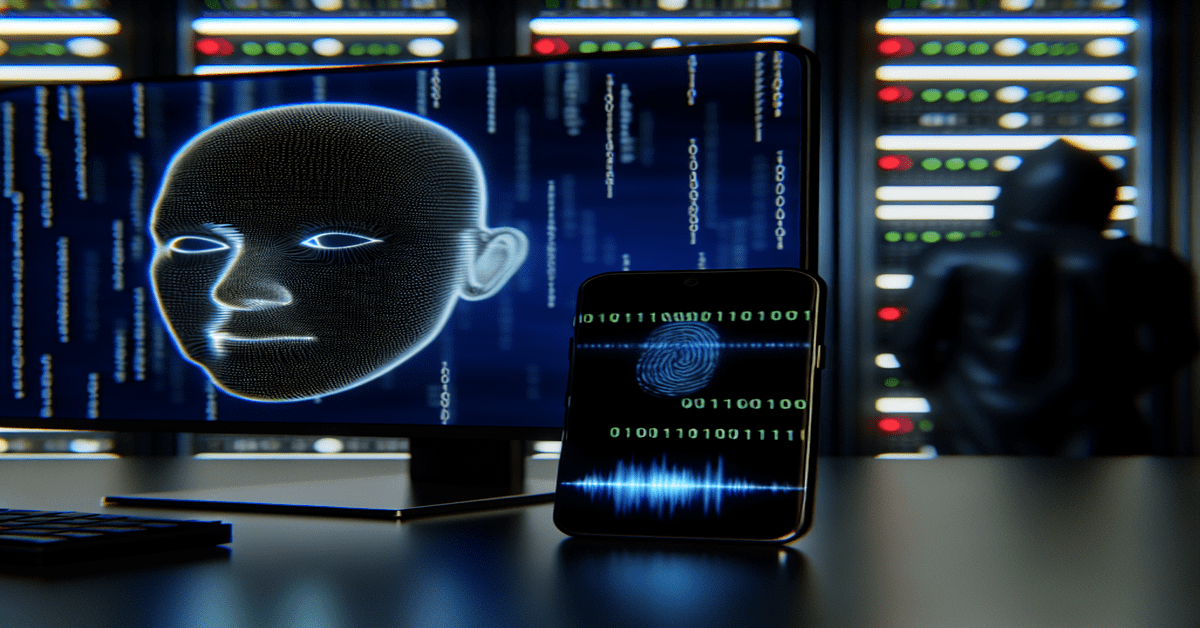
AI-Powered Scammers Impersonate Government Officials: The Frightening Evolution of Smishing and Vishing
In a world where technology advances at breakneck speed, it’s no surprise that scammers are constantly finding new ways to exploit unsuspecting victims. The latest trend in the world of cyber crime involves the use of artificial intelligence (AI) to impersonate senior U.S. government officials, and it’s proving to be a disturbingly effective tactic.
The Rise of AI-Powered Scams
According to a recent warning issued by the FBI, fraudsters have been using AI to create convincing voice messages that mimic the voices of government officials. These messages, known as “vishing” (voice phishing), are often accompanied by text messages, or “smishing” (SMS phishing), to establish trust with the victim before prompting them to click on malicious links[1].
The scam, which started around April 2025, primarily targets current and former government officials and their contacts. By impersonating high-ranking officials, the scammers aim to gain access to sensitive information or use the impersonated official to target other individuals[2].
How the Scam Works
The AI-powered scam is frighteningly sophisticated. The scammers use advanced AI technology to create voice messages that sound nearly identical to the real officials they are impersonating. This makes it incredibly difficult for the average person to distinguish between a legitimate call and a scam[3].
In addition to the voice messages, the scammers also send text messages to establish trust with the victim. These messages often create a sense of urgency, prompting the victim to take immediate action. The ultimate goal is to convince the victim to transition to a different messaging platform via a malicious link, which is actually a phishing attempt to capture login credentials[1].
The Implications for Security and Authentication
The emergence of AI-powered scams highlights the growing challenges faced by security and authentication systems. As AI technology becomes more advanced, it becomes increasingly difficult to rely solely on voice authentication to verify a person’s identity.
This has significant implications for industries that rely heavily on voice authentication, such as banking and finance. It also poses a threat to government agencies, which may need to reevaluate their security protocols to account for the possibility of AI-powered impersonation[2].
Protecting Yourself from AI-Powered Scams
So, what can you do to protect yourself from these sophisticated scams? The FBI advises individuals to remain cautious when receiving unexpected calls or messages, even if they appear to be from a trusted source. It’s important not to assume that such messages are genuine, and to verify the identity of the sender through other means before taking any action[3].
Additionally, it’s crucial for organizations to invest in robust security systems that can detect and prevent AI-powered scams. This may involve implementing multi-factor authentication, using biometric data in addition to voice recognition, and training employees to recognize the signs of a potential scam[1].
The Future of AI and Cyber Crime
As AI technology continues to advance, it’s likely that we’ll see even more sophisticated scams emerge in the coming years. Scammers will undoubtedly find new ways to exploit the technology, and it will be up to security experts and organizations to stay one step ahead.
However, it’s important to remember that AI is not inherently good or bad. While it can be used for malicious purposes, it can also be a powerful tool in the fight against cyber crime. By leveraging AI to detect and prevent scams, we may be able to stay ahead of the curve and protect ourselves from the ever-evolving threat landscape[2].
Conclusion
The rise of AI-powered scams is a sobering reminder of the importance of staying vigilant in the face of emerging cyber threats. As individuals and organizations, we must remain proactive in our approach to security, and be willing to adapt our strategies as new threats emerge.
By staying informed, investing in robust security measures, and encouraging a culture of caution and skepticism, we can help protect ourselves and our organizations from the devastating consequences of AI-powered scams.
Don’t let yourself become a victim of these sophisticated scams. Stay alert, stay informed, and most importantly, stay safe in the ever-changing world of cyber security.
#AIScams #CyberSecurity #VoiceAuthentication
-> Original article and inspiration provided by Michael Crider
-> Connect with one of our AI Strategists today at ReviewAgent.ai