
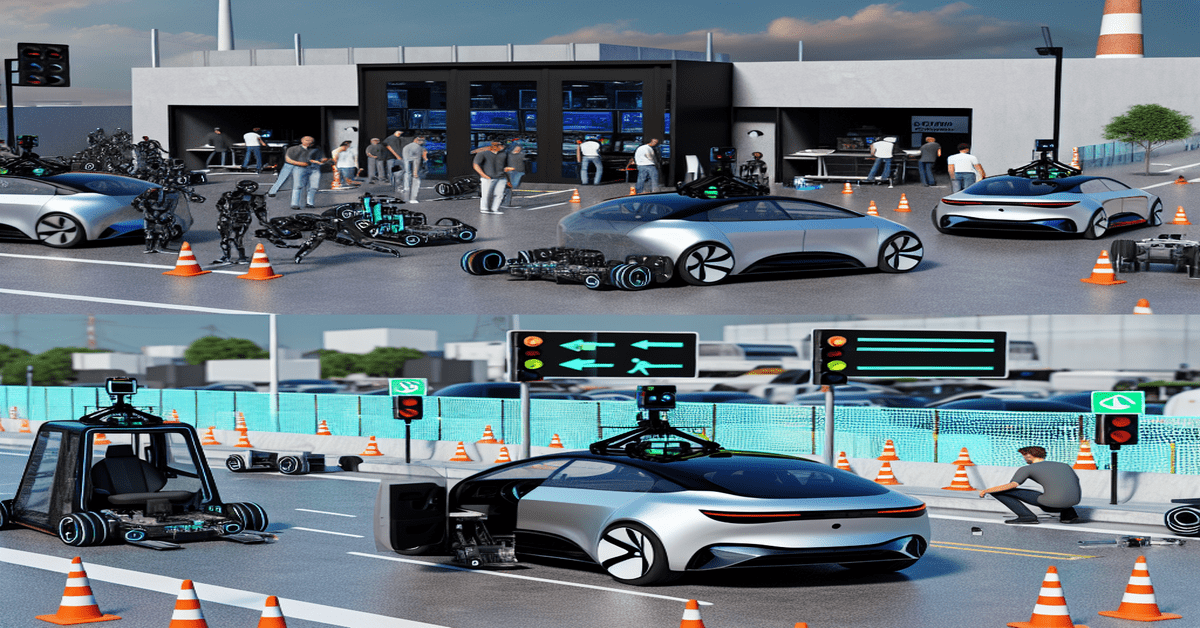
Elon Musk’s Tesla Robotaxi Rollout: A Rocky Road Ahead
Elon Musk, the visionary entrepreneur behind Tesla, is known for his bold promises and ambitious projects. However, his latest venture, the rollout of Tesla’s robotaxi service, seems to be facing a bumpy ride. Initially scheduled for launch in June 2025, the project has been plagued by delays, safety concerns, and unfulfilled promises of full autonomy.
Musk has long touted Tesla’s vehicles as being hardware-ready for full self-driving capabilities, but the reality appears to be far from his claims. The current plan involves deploying a geo-fenced fleet in Austin, Texas, with human teleoperations rather than true driverless operations. This approach raises eyebrows among industry experts who question the feasibility and safety of such a system.
The Contrast with Competitors
Tesla’s approach to robotaxis stands in stark contrast to that of its competitors, such as Waymo. Waymo, a subsidiary of Alphabet Inc., has been at the forefront of autonomous vehicle development for years. Before launching its driverless services, Waymo conducted extensive testing and validation to ensure the safety and reliability of its technology.
On the other hand, Tesla has yet to begin meaningful driverless vehicle testing, which raises concerns about the system’s readiness for public use. The lack of rigorous testing and safety protocols could potentially lead to regulatory scrutiny and public skepticism.
Expansion Plans and Uncertainties
Musk has also expressed interest in expanding the robotaxi service to Saudi Arabia, a country with a rapidly growing interest in emerging technologies. However, specific timelines and details regarding this expansion remain unclear. The regulatory landscape and infrastructure readiness in Saudi Arabia may pose additional challenges for Tesla’s robotaxi ambitions.
The Need for Transparency and Realistic Expectations
As Tesla moves forward with its robotaxi plans, it is crucial for the company to prioritize transparency and set realistic expectations. The development and deployment of autonomous vehicles is a complex and time-consuming process that requires careful planning, extensive testing, and adherence to strict safety standards.
Rushing the rollout without proper validation and safety measures could not only jeopardize public trust in the technology but also lead to potential accidents and legal liabilities. Tesla must be willing to address concerns raised by industry experts, regulators, and the public to ensure the success and safety of its robotaxi service.
The Future of Autonomous Transportation
Despite the challenges faced by Tesla’s robotaxi rollout, the potential for autonomous transportation remains immense. As technology advances and regulatory frameworks evolve, we can expect to see more companies entering the market and pushing the boundaries of what is possible.
However, the path to fully autonomous vehicles is not without obstacles. Companies must navigate complex technical, legal, and ethical considerations while prioritizing passenger safety above all else. Collaboration between industry players, policymakers, and the public will be essential in shaping the future of autonomous transportation.
Conclusion
Elon Musk’s ambitious plans for Tesla’s robotaxi service have hit a roadblock, with delays, safety concerns, and unfulfilled promises casting a shadow over the project’s viability. As the company moves forward, it is crucial to prioritize transparency, rigorous testing, and adherence to safety standards.
The future of autonomous transportation holds immense promise, but it is a journey that requires careful navigation and a commitment to passenger safety. As an industry, we must work together to address the challenges and seize the opportunities that lie ahead.
#AutonomousVehicles #RobotaxiRollout #TeslaChallenges #FutureOfTransportation #PassengerSafety
-> Original article and inspiration provided by Alan Ohnsman
-> Connect with one of our AI Strategists today at Opahl Technologies
