The Future of Healthcare: How Predictive Disease Analytics is Revolutionizing Patient Care
The healthcare industry is undergoing a remarkable transformation, and at the forefront of this change is the rapidly growing field of predictive disease analytics. With an estimated global market size of $3.5 billion by 2025, this innovative approach to healthcare is poised to revolutionize the way we prevent, diagnose, and treat diseases[1].
Harnessing the Power of AI and Big Data
The driving force behind the explosive growth of predictive disease analytics lies in the advancements of artificial intelligence (AI), machine learning, and big data analytics in healthcare. These cutting-edge technologies enable healthcare providers to analyze vast amounts of patient data, including electronic health records, genetic information, and lifestyle factors, to **predict** the onset of diseases and develop personalized treatment plans[1].
By leveraging the power of AI and machine learning algorithms, healthcare professionals can identify patterns and risk factors that may have gone unnoticed in the past. This proactive approach to healthcare not only improves patient outcomes but also helps to reduce healthcare costs by preventing the progression of diseases and avoiding unnecessary treatments.
The Shift Towards Personalized Medicine
One of the most exciting trends in the predictive disease analytics market is the move towards **personalized medicine** and precision healthcare. By analyzing an individual’s unique genetic makeup, lifestyle factors, and medical history, healthcare providers can tailor treatment plans to the specific needs of each patient[1].
This targeted approach to healthcare not only improves the effectiveness of treatments but also minimizes the risk of adverse side effects. With the integration of genomic data into predictive disease analytics, healthcare professionals can identify genetic predispositions to certain diseases and develop preventive strategies to mitigate those risks.
Embracing Cloud Computing and IoT
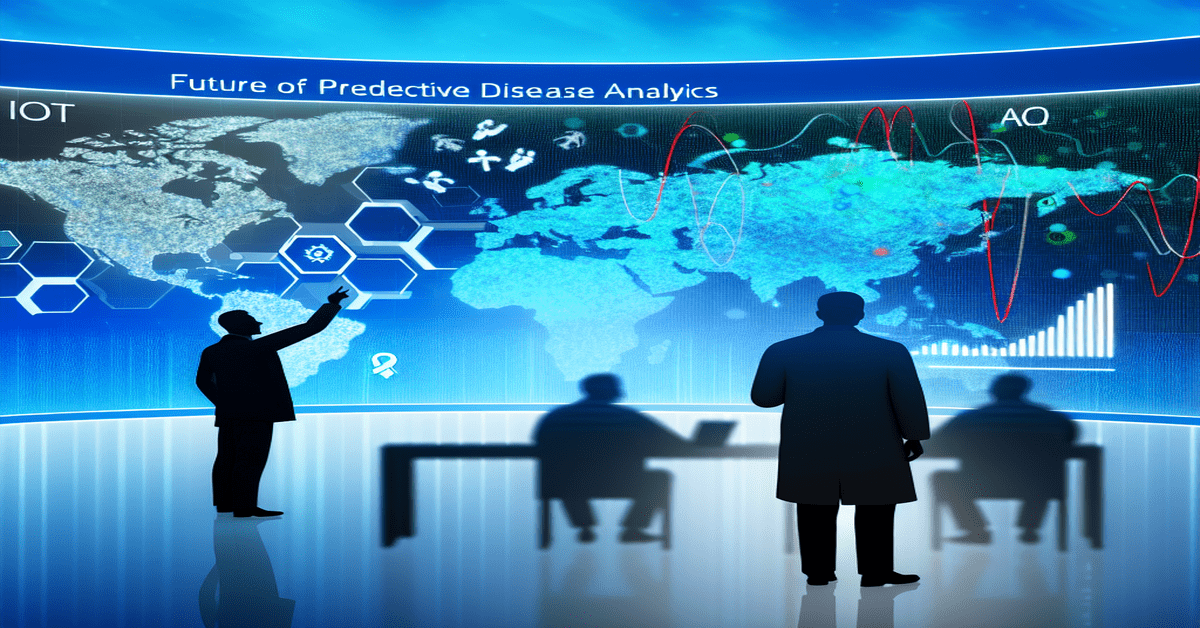
The growth of predictive disease analytics is also being fueled by the increasing adoption of cloud computing and the Internet of Things (IoT) in healthcare. Cloud-based platforms allow for the secure storage and analysis of massive amounts of patient data, enabling healthcare providers to access and share information seamlessly across different systems and locations[1].
Meanwhile, IoT devices, such as wearable health monitors and smart sensors, are collecting real-time data on patients’ vital signs, activity levels, and other health metrics. This continuous stream of data feeds into predictive disease analytics models, providing healthcare professionals with a more comprehensive view of a patient’s health status and enabling early intervention when necessary.
North America Leads the Way
North America, with its robust healthcare infrastructure and strong focus on data-driven decision-making, holds a significant share in the predictive disease analytics market. The region is witnessing rapid growth, driven by the increasing adoption of electronic health records, the rising prevalence of chronic diseases, and the impact of the COVID-19 pandemic on telemedicine and remote monitoring[2][3][4].
The pandemic has accelerated the need for remote patient monitoring and virtual care, and predictive disease analytics has played a crucial role in identifying high-risk individuals and optimizing resource allocation. As healthcare systems continue to adapt to the new normal, the demand for predictive disease analytics is expected to grow even further.
The Future of Healthcare is Here
The predictive disease analytics market is **booming**, and for good reason. By harnessing the power of AI, machine learning, and big data analytics, healthcare providers can now predict, prevent, and personalize patient care like never before. As the industry continues to embrace these transformative technologies, we can expect to see significant improvements in patient outcomes, reduced healthcare costs, and a healthier population overall.
However, the success of predictive disease analytics relies on the active participation and engagement of healthcare professionals, researchers, and patients alike. It is crucial that we continue to invest in research and development, foster collaborations between healthcare and technology sectors, and educate the public about the benefits of data-driven healthcare.
The future of healthcare is here, and predictive disease analytics is leading the charge. By embracing this innovative approach to patient care, we can unlock the full potential of personalized medicine and create a healthier, more resilient world for generations to come.
Join the conversation and share your thoughts on how predictive disease analytics is transforming healthcare. Together, let’s shape the future of medicine and build a healthier tomorrow.
#PredictiveDiseaseAnalytics #PersonalizedMedicine #HealthcareInnovation
-> Original article and inspiration provided by ReviewAgent.ai
-> Connect with one of our AI Strategists today at ReviewAgent.ai
