
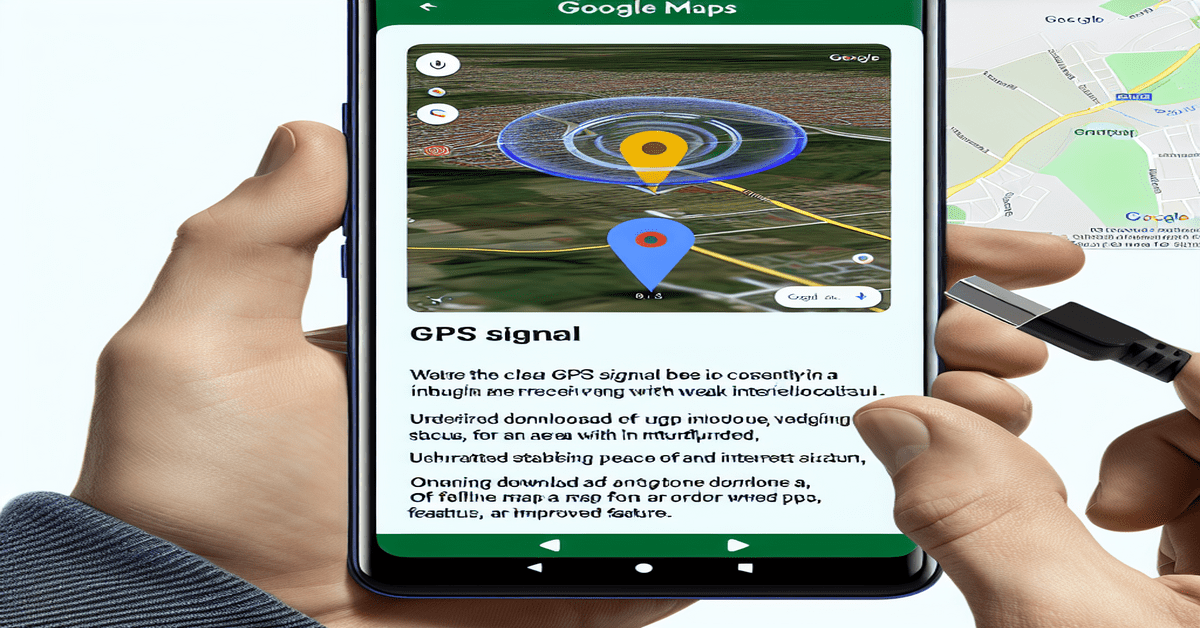
Google Maps Solves Longstanding Mobile Issues, Enhancing User Experience
Google Maps, the go-to navigation app for millions of users worldwide, has finally addressed a significant mobile issue that has plagued users for years. According to a recent report from The Sun, Google has resolved the intermittent and inaccurate GPS location tracking and connectivity problems that caused the app to malfunction or freeze during navigation, especially in areas with weak internet signals.
Improved Location Data Management and Connectivity
The tech giant has made substantial improvements to how Google Maps handles location data and connectivity on mobile devices. By optimizing the app’s performance, users can now enjoy a seamless navigation experience without the need to disable Wi-Fi-only modes or restart their phones frequently.
One of the key solutions implemented by Google is the enhanced handling of GPS signals. The app now ensures that it maintains a stable connection with GPS satellites, providing users with accurate location tracking even in challenging environments. This improvement is particularly beneficial for those who rely on Google Maps for precise navigation, such as delivery drivers or hikers exploring remote areas.
Seamless Network Switching and Offline Reliability
In addition to better GPS signal management, Google Maps has been optimized to work smoothly when switching between Wi-Fi and mobile networks. This enhancement ensures that users can continue navigating without interruptions, even when their devices transition between different internet sources. Whether you’re driving through a city with varying network coverage or walking between Wi-Fi hotspots, Google Maps will maintain its performance and accuracy.
Furthermore, Google has addressed the long-standing issues related to offline map downloads. In areas with poor or no internet access, users can now rely on their pre-downloaded maps without worrying about inaccuracies or inconsistencies. This improvement is a game-changer for travelers visiting remote locations or those with limited data plans, as they can confidently navigate using offline maps.
Addressing User Frustrations and Enhancing Overall Experience
For years, Google Maps users have experienced frustrations due to location accuracy issues and app reliability problems on mobile platforms. These glitches often led to navigation interruptions, incorrect location pinpointing, and connectivity issues that hindered the app’s usability. However, with the recent updates, Google has taken a significant step towards providing a more consistent and reliable user experience.
By addressing these long-standing concerns, Google demonstrates its commitment to delivering a top-notch navigation tool that meets the evolving needs of its users. The improved GPS performance and network handling not only save users from the hassle of troubleshooting but also ensure that they can trust Google Maps to guide them accurately and efficiently, regardless of their location or network conditions.
The Future of Google Maps and Mobile Navigation
As mobile devices continue to play an increasingly central role in our daily lives, the importance of reliable and accurate navigation apps cannot be overstated. With the recent improvements to Google Maps, users can now enjoy a more seamless and frustration-free experience when exploring new places, commuting to work, or embarking on adventures.
Looking ahead, it is clear that Google remains committed to enhancing its mapping services and staying at the forefront of mobile navigation technology. As the company continues to invest in research and development, users can expect further advancements in areas such as real-time traffic updates, personalized recommendations, and integration with other Google services.
Moreover, the resolution of these long-standing mobile issues in Google Maps sets a new standard for other navigation apps in the market. Competitors will likely follow suit, striving to offer similar improvements and user-centric features to remain relevant and competitive. This, in turn, will drive innovation and ultimately benefit users by providing them with a wider range of reliable and feature-rich navigation options.
Conclusion
Google Maps’ recent update addressing the persistent mobile issues related to GPS location tracking and connectivity is a significant milestone for the app and its millions of users worldwide. By improving location data management, ensuring seamless network switching, and enhancing offline map reliability, Google has demonstrated its dedication to providing a superior navigation experience.
As users continue to rely on mobile devices for their daily navigation needs, the importance of accurate and dependable mapping services cannot be understated. With these improvements, Google Maps has solidified its position as a leader in the mobile navigation space, setting a new benchmark for reliability and performance.
#GoogleMaps #MobileNavigation #GPSAccuracy #UserExperience
-> Original article and inspiration provided by Hana Carter
-> Connect with one of our AI Strategists today at ReviewAgent.ai
