
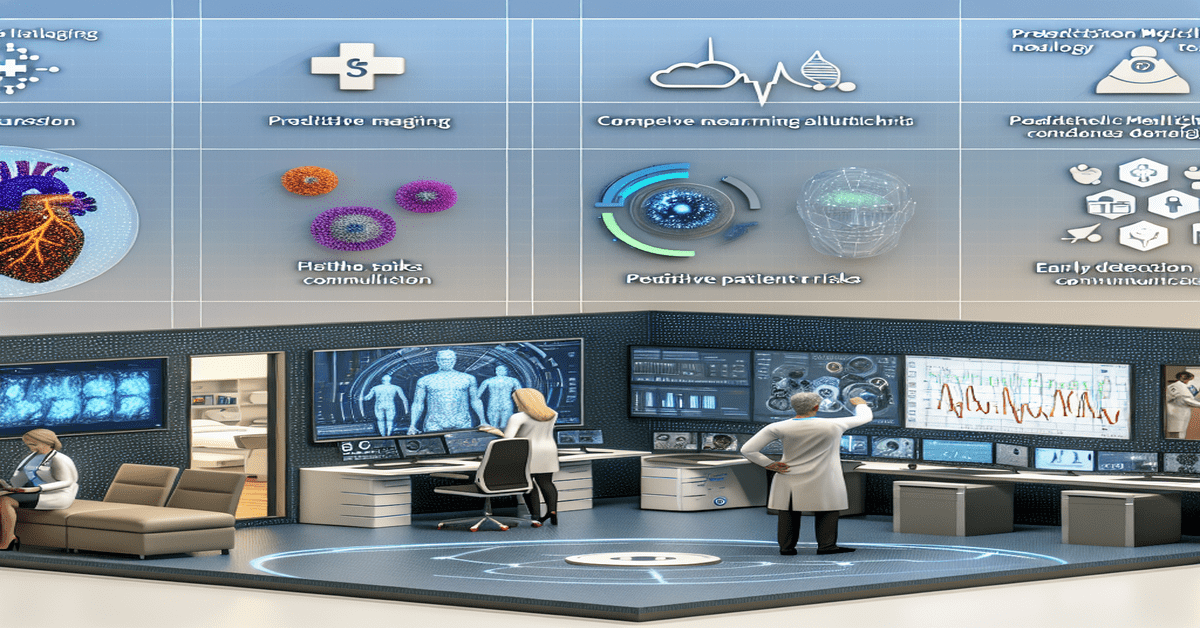
Revolutionizing Healthcare: The Impact of Big Data and Machine Learning on Patient Outcomes
In recent years, the healthcare industry has witnessed a remarkable transformation driven by the integration of big data and machine learning technologies. These cutting-edge tools are revolutionizing the way healthcare providers approach patient care, leading to improved outcomes, personalized treatments, and enhanced efficiency. In this blog post, we’ll explore how these technologies are reshaping the healthcare landscape and the profound impact they’re having on patient lives.
Personalized Treatment: Tailoring Care to Individual Needs
One of the most significant benefits of big data in healthcare is the ability to provide personalized treatment plans. By analyzing vast amounts of data, including genetic information, lifestyle factors, and medical histories, healthcare providers can gain a comprehensive understanding of each patient’s unique needs. This enables them to tailor treatments specifically to individual patients, enhancing the effectiveness and accuracy of care.
For example, the All of Us Research Program by the National Institutes of Health (NIH) aims to collect and analyze data from one million or more people in the United States to accelerate precision medicine and improve health outcomes. By leveraging this extensive dataset, healthcare providers can develop targeted therapies and interventions that cater to each patient’s specific requirements.
Predictive Analytics: Identifying Health Risks Early
Another game-changing aspect of machine learning in healthcare is its ability to predict patient health risks before they escalate. By analyzing patterns and trends in patient data, machine learning models can identify individuals who are at a higher risk of developing certain conditions, such as heart disease, diabetes, or cancer. This early detection allows healthcare providers to intervene in a timely manner, preventing disease progression and improving patient prognoses.
A notable example is the DETECT study, which uses wearable devices and machine learning algorithms to identify early signs of COVID-19 and other respiratory illnesses. By continuously monitoring participants’ health data, the study aims to develop predictive models that can alert individuals and healthcare providers to potential health risks, enabling proactive care and reducing the burden on healthcare systems.
Improved Diagnostics: Enhancing Accuracy and Speed
Big data and machine learning are also revolutionizing the field of medical diagnostics. AI algorithms can analyze complex medical imaging data, such as X-rays, CT scans, and MRIs, with remarkable accuracy and speed. These advanced tools can detect subtle abnormalities that may be missed by human eyes, supporting healthcare professionals in making more informed diagnostic decisions.
For instance, researchers at Google DeepMind have developed an AI system that can detect breast cancer from mammograms with higher accuracy than human radiologists. By analyzing a large dataset of mammograms, the AI system learned to identify subtle signs of cancer, potentially reducing false positives and false negatives in breast cancer screening.
Real-Time Monitoring: Proactive Care through Wearable Technologies
Wearable technologies, such as smartwatches and fitness trackers, have become increasingly popular in recent years. These devices continuously collect a wealth of health data, including heart rate, physical activity levels, and sleep patterns. When combined with big data analytics and machine learning, this data can provide valuable insights into a patient’s overall health status.
By analyzing this data in real-time, healthcare providers can detect potential health issues early on, enabling proactive care and timely interventions. For example, the Apple Heart Study used data from Apple Watches to identify irregular heart rhythms, which can be an early sign of atrial fibrillation. Participants who received notifications of irregular heart rhythms were prompted to seek medical attention, demonstrating the potential of wearable technologies in facilitating early detection and intervention.
Enhanced Patient Engagement and Communication
Big data is also transforming the way patients engage with their own health information. By consolidating patient records across different healthcare providers, big data platforms enable seamless communication and empower patients to access and manage their health histories digitally. This enhanced accessibility fosters a more collaborative relationship between patients and healthcare providers, encouraging active participation in treatment decisions and self-care.
The Blue Button initiative, for example, allows patients to securely access and download their personal health information from various sources, including doctors, pharmacies, and health insurance companies. By putting this information at patients’ fingertips, Blue Button empowers individuals to take control of their health, make informed decisions, and engage more actively with their healthcare providers.
Operational Efficiency and Expanded Access to Care
In addition to improving patient outcomes, big data and machine learning are also revolutionizing healthcare operations and expanding access to quality care. By streamlining administrative processes and optimizing resource allocation, these technologies are helping healthcare organizations reduce costs and improve efficiency.
Moreover, the integration of big data with telehealth platforms is extending healthcare delivery to underserved areas, bridging geographical barriers and ensuring that patients receive the care they need, regardless of their location. Automated analysis of patient data enables healthcare providers to offer personalized treatment recommendations remotely, further enhancing the reach and impact of healthcare services.
The Future of Healthcare: Embracing Big Data and Machine Learning
As the healthcare industry continues to evolve, the integration of big data and machine learning will undoubtedly play a pivotal role in shaping its future. By harnessing the power of these technologies, healthcare providers can deliver more precise, proactive, and personalized care, ultimately leading to better patient outcomes, reduced costs, and expanded access to quality healthcare services.
However, to fully realize the potential of big data and machine learning in healthcare, it is crucial to address challenges such as data privacy, security, and ethical considerations. As we move forward, collaboration among healthcare providers, technology companies, and policymakers will be essential to ensure the responsible and effective deployment of these transformative tools.
The future of healthcare is exciting, and the possibilities are endless. By embracing big data and machine learning, we can revolutionize the way we approach patient care, improve lives, and create a healthier, more connected world.
#Healthcare #BigData #MachineLearning #PatientOutcomes #Transformation
-> Original article and inspiration provided by Analytics Insight
-> Connect with one of our AI Strategists today at ReviewAgent.ai
