The Rise of Predictive Policing: How AI is Transforming Law Enforcement
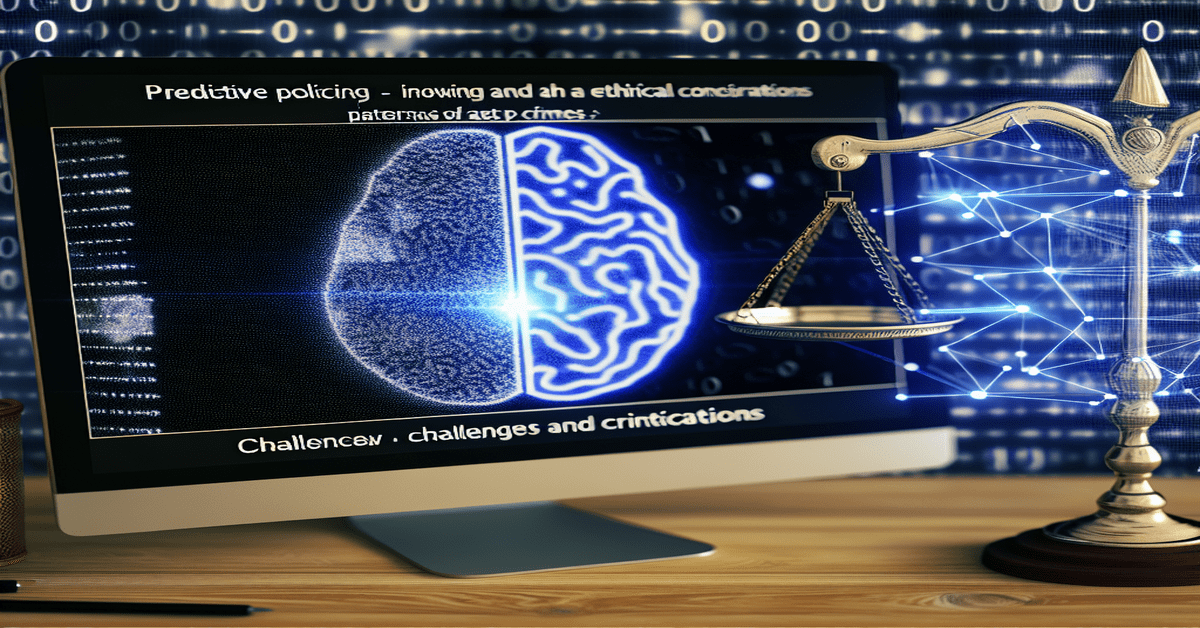
In recent years, the landscape of law enforcement has undergone a significant transformation with the advent of predictive policing powered by artificial intelligence (AI). This innovative approach to crime prevention and reduction has garnered attention from both proponents and critics alike. As we delve into the world of predictive policing, let’s explore its purpose, methodology, and the role of AI in shaping the future of policing.
Understanding Predictive Policing
At its core, predictive policing aims to **prevent and reduce crime** by leveraging data-driven methods. By analyzing historical crime data, social media activity, and other relevant information, predictive policing seeks to identify patterns and correlations that can help forecast future criminal activity[3][5]. This proactive approach allows law enforcement agencies to allocate resources more efficiently and take strategic measures to deter crime before it occurs.
The Power of AI in Predictive Policing
The integration of AI into predictive policing has revolutionized the way law enforcement operates. AI algorithms possess the ability to process vast amounts of data at an unprecedented speed, enabling police departments to make informed decisions and deploy resources effectively[3][4]. By identifying crime hotspots and individuals at risk, AI-driven predictive policing has the potential to enhance public safety and reduce the burden on law enforcement agencies.
The Promise of Predictive Policing
Proponents of predictive policing argue that it offers a myriad of benefits to both law enforcement and the communities they serve. By leveraging the power of AI, police departments can **optimize their resources** and respond to crime more efficiently[3][5]. This data-driven approach has the potential to **reduce crime rates** and create safer neighborhoods, ultimately improving the quality of life for residents.
Addressing the Challenges and Criticisms
Despite the promising potential of predictive policing, it is not without its challenges and criticisms. One of the primary concerns revolves around the issue of **bias and ethics**. Critics argue that AI algorithms used in predictive policing may perpetuate existing biases and disproportionately target certain communities[3][5]. For example, systems like the Strategic Subjects List (SSL) used in cities like Chicago have come under scrutiny for their potential to reinforce biases and negatively impact marginalized groups[3].
Moreover, privacy concerns and ethical dilemmas surrounding surveillance and intervention pose significant challenges to the implementation of predictive policing[3][5]. Striking a balance between public safety and individual privacy rights is a delicate task that requires careful consideration and ongoing dialogue between law enforcement, policymakers, and the communities they serve.
The Future of Predictive Policing
As we look towards the future, it is clear that predictive policing and AI will continue to shape the landscape of law enforcement. However, it is crucial that we approach this technology with a critical eye and a commitment to fairness and transparency. By engaging in open discussions, addressing potential biases, and establishing clear guidelines, we can harness the power of predictive policing while mitigating its risks.
The rise of predictive policing AI presents both opportunities and challenges for law enforcement and society as a whole. As we navigate this complex terrain, it is essential that we remain vigilant, informed, and proactive in shaping the future of policing. By working together and leveraging the potential of AI responsibly, we can create a safer and more just society for all.
What are your thoughts on the use of AI in predictive policing? Share your insights and experiences in the comments below, and let’s continue this important conversation.
#PredictivePolicing #LawEnforcement #ArtificialIntelligence #DataDrivenPolicing #CrimePrevention
-> Original article and inspiration provided by ReviewAgent.ai
-> Connect with one of our AI Strategists today at ReviewAgent.ai
