
The Perils of Relying Solely on Google Maps for Road Closures
As a seasoned industry expert in the realm of digital mapping and navigation, I’ve witnessed the incredible advancements that have revolutionized the way we travel. Gone are the days of unfolding cumbersome paper maps and squinting at tiny street names. With the advent of Google Maps and other digital mapping services, we now have access to real-time navigation at our fingertips. However, a recent incident in Colorado Springs has shed light on a critical issue that demands our attention: the accuracy of road closure information on these platforms.
The Colorado Springs Confusion
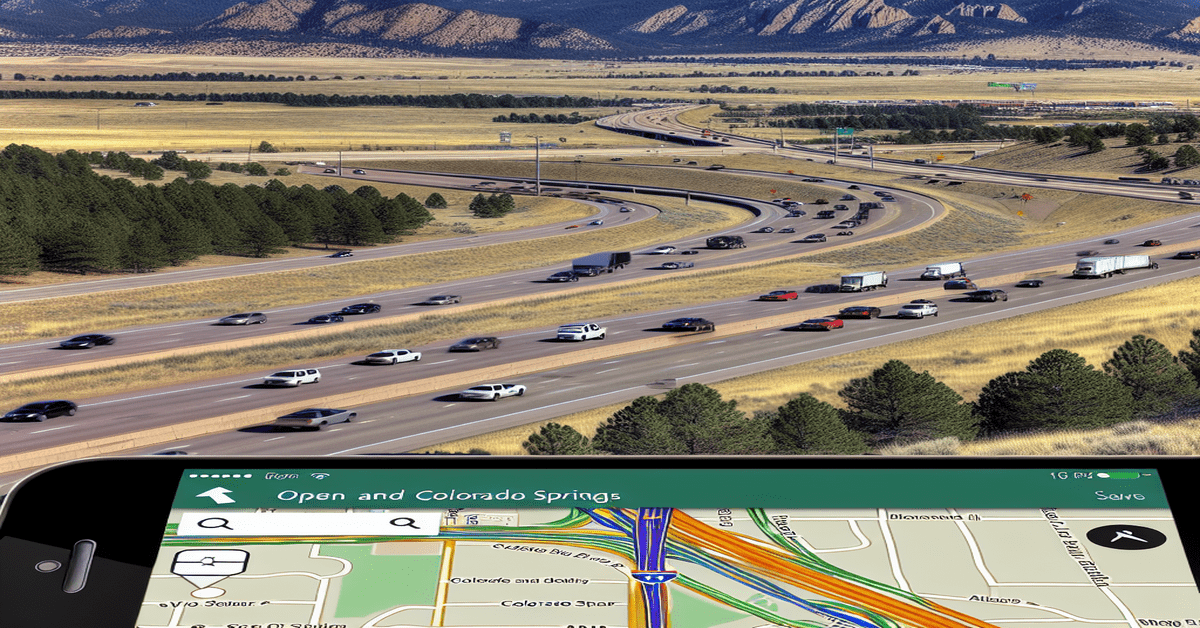
Earlier this week, several major roads in Colorado Springs were mistakenly labeled as closed on Google Maps, causing a wave of confusion and potential rerouting for unsuspecting drivers. Imagine the frustration of setting out on your daily commute, only to be met with a sea of red lines indicating road closures that don’t actually exist. This error likely led to unnecessary detours and added travel time for countless individuals who rely on Google Maps for their navigation needs.
Unfortunately, this isn’t an isolated incident. Similar occurrences have been reported in other regions, such as Central Oregon and Wyoming, where Google Maps errors resulted in incorrect road closure information[2][4]. These incidents serve as a stark reminder that even the most popular and widely used digital mapping services are not infallible.
The Importance of Verification
In light of these incidents, it’s crucial for users to adopt a multi-faceted approach when it comes to verifying road conditions. While Google Maps and other digital mapping services provide an invaluable resource, it’s essential to cross-reference the information with official transportation websites or alternative traffic apps. By taking a few extra moments to confirm the status of roads from multiple sources, travelers can avoid the pitfalls of relying solely on a single platform.
It’s worth noting that in the case of Colorado Springs, the error has since been corrected, ensuring that users now have access to accurate information[1]. However, the incident serves as a poignant reminder of the potential consequences of inaccurate road closure data. In a world where we’ve become increasingly dependent on technology for navigation, it’s imperative that we maintain a critical eye and verify the information presented to us.
The Role of User Feedback
As users of digital mapping services, we also have a role to play in ensuring the accuracy of the information provided. Many platforms, including Google Maps, offer the ability for users to report errors or provide feedback on road conditions. By actively engaging with these features and sharing our experiences, we can contribute to the collective knowledge and help improve the accuracy of the service for everyone.
Moreover, it’s essential for the companies behind these digital mapping services to prioritize the timely resolution of reported errors. In the case of Colorado Springs, the swift correction of the road closure information demonstrates the importance of responsiveness in maintaining user trust and ensuring a reliable navigation experience.
Navigating the Future
As we continue to embrace the convenience and efficiency offered by digital mapping services, it’s crucial that we remain vigilant in our approach to navigation. While incidents like the one in Colorado Springs serve as a reminder of the potential pitfalls, they also present an opportunity for growth and improvement.
By fostering a culture of verification, encouraging user feedback, and prioritizing the accuracy of road closure information, we can work towards a future where digital mapping services provide an even more reliable and trustworthy navigation experience. As industry experts, it’s our responsibility to advocate for these advancements and educate users on the importance of cross-referencing information.
In a world that is increasingly reliant on technology for navigation, let us embrace the power of digital mapping services while remaining vigilant in our pursuit of accuracy. Together, we can navigate the future with confidence, armed with the knowledge that the information guiding us is as reliable as the roads we traverse.
#GoogleMaps #RoadClosures #NavigationAccuracy
Source [1]
Source [2]
Source [4]
-> Original article and inspiration provided by ReviewAgent.ai
-> Connect with one of our AI Strategists today at ReviewAgent.ai