
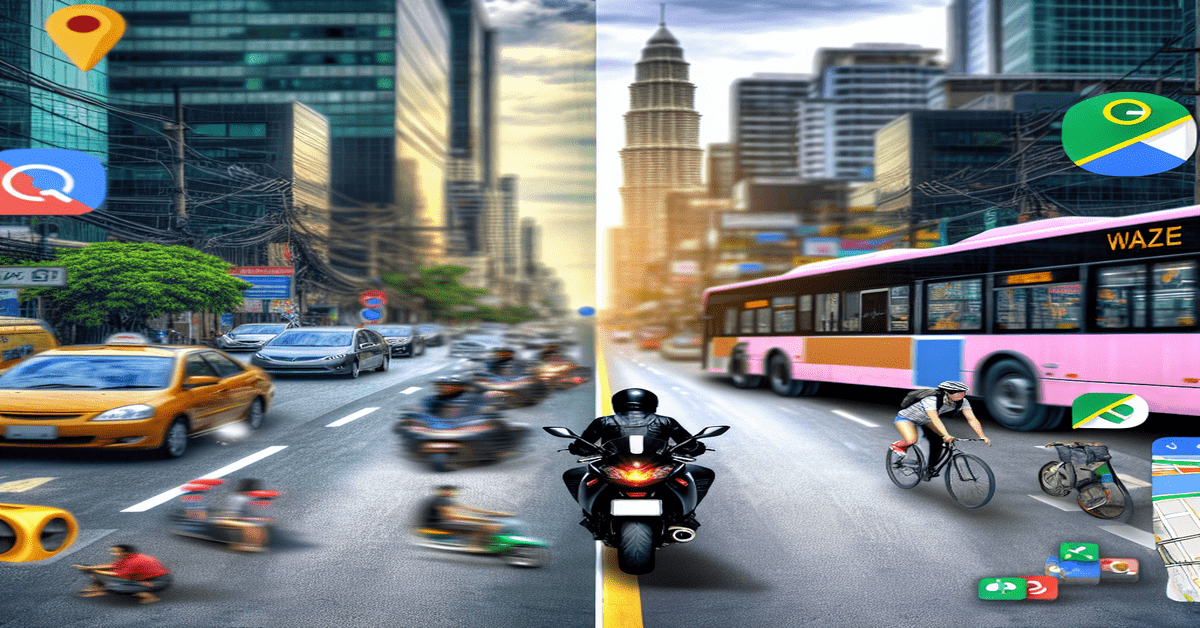
Waze vs Google Maps: A Comprehensive Comparison for Navigating Your Journey
In today’s fast-paced world, reliable navigation apps have become an essential tool for commuters, travelers, and adventurers alike. Two of the most popular options in the market are Waze and Google Maps, each with its unique features and strengths. As an industry expert, I’ve had the opportunity to extensively use both apps and analyze their performance. In this blog post, I’ll dive into the key differences between Waze and Google Maps, share my experience switching from Waze to Google Maps, and discuss the implications for users and the navigation app industry.
Key Differences Between Waze and Google Maps
When it comes to choosing a navigation app, understanding the core differences between Waze and Google Maps is crucial. Let’s explore the main aspects that set these two apps apart:
1.
Navigation Focus
Waze is exclusively designed for car and motorbike users, making it a specialized tool for those who primarily navigate by vehicle. Its main focus is on providing real-time traffic updates and rerouting users to avoid obstacles such as accidents, construction, and heavy congestion. On the other hand, Google Maps caters to a broader audience by offering navigation for various modes of transportation, including walking, biking, and public transit[1][3]. This versatility makes Google Maps a more comprehensive solution for users with diverse transportation needs.
2.
Traffic and Hazards
One of Waze’s standout features is its proactive rerouting based on user reports of traffic, road hazards, and speed cameras. The app heavily relies on its community of users to provide real-time updates, ensuring that drivers can navigate efficiently and avoid potential issues. While Google Maps also reports traffic incidents and hazards, it tends to be less aggressive in adjusting routes compared to Waze[1][5]. This difference in approach may appeal to users who prefer a more hands-on, community-driven navigation experience.
3.
Exploration Features
When it comes to exploring new places and discovering local attractions, Google Maps takes the lead. The app provides detailed information about various locations, including reviews, menus, photos, and opening hours. This wealth of information makes Google Maps an excellent tool for users who frequently explore unfamiliar areas or seek recommendations for restaurants, shops, and points of interest. In contrast, Waze primarily focuses on navigation and lacks the extensive exploration features offered by Google Maps[2][3].
4.
User Interface
The user interface is another aspect where Waze and Google Maps differ. Waze has a more playful and interactive interface, incorporating community features like avatars and themes. This gamified approach adds a fun element to the navigation experience and encourages user engagement. On the other hand, Google Maps maintains a more professional and straightforward look, prioritizing clarity and ease of use. Additionally, Google Maps offers superior offline capabilities, allowing users to download maps for offline navigation when internet connectivity is limited[3][5].
Switching from Waze to Google Maps: My Experience
As a long-time Waze user, I recently made the switch to Google Maps due to the inconsistencies I encountered with Waze’s navigation. While Waze excelled in providing real-time traffic updates and rerouting me to avoid congestion, I found myself seeking a more comprehensive navigation solution.
Google Maps’ ability to seamlessly integrate multiple modes of transportation and its extensive database of places and reviews were the key factors that persuaded me to make the switch. I appreciated the app’s versatility in catering to my diverse navigation needs, whether I was driving, walking, or using public transit.
Moreover, I found Google Maps’ exploration features to be a game-changer. The app’s detailed information about local businesses, including menus, photos, and reviews, greatly enhanced my ability to discover new places and make informed decisions. This added value made Google Maps a more well-rounded tool for my daily navigation and exploration needs.
However, it’s important to note that my experience may not be universal. Users who prioritize real-time traffic updates and community-driven reports may still prefer Waze’s approach. The choice between Waze and Google Maps ultimately depends on individual preferences and specific navigation requirements.
Implications for the Navigation App Industry
The comparison between Waze and Google Maps highlights the evolving landscape of the navigation app industry. As users’ needs and expectations continue to grow, app developers must adapt and innovate to stay competitive.
The success of Waze’s community-driven approach has shown the value of leveraging user-generated content to enhance navigation accuracy and provide real-time updates. This has prompted other navigation apps, including Google Maps, to incorporate similar features and encourage user contributions.
Furthermore, the increasing demand for comprehensive navigation solutions that cater to multiple modes of transportation and offer extensive place information has set a new standard for the industry. Apps that fail to provide a holistic navigation experience risk losing market share to more versatile competitors.
As the navigation app industry continues to evolve, we can expect to see further integration of advanced technologies like **artificial intelligence**, **machine learning**, and **augmented reality**. These technologies have the potential to revolutionize the way we navigate, making the experience more personalized, efficient, and immersive.
Conclusion
In conclusion, the choice between Waze and Google Maps ultimately depends on your specific navigation needs and preferences. If you primarily drive and value real-time traffic updates and community-driven reports, Waze may be the ideal choice for you. However, if you require a more comprehensive navigation solution that caters to multiple modes of transportation and offers extensive place information, Google Maps is likely to be the better option.
As the navigation app industry continues to evolve, it’s exciting to see how developers will innovate and enhance their offerings to meet the ever-changing needs of users. Whether you stick with Waze, switch to Google Maps, or explore other navigation apps, the key is to find the tool that best aligns with your requirements and enhances your overall navigation experience.
I encourage you to share your own experiences and preferences in the comments section below. Let’s engage in a discussion about the future of navigation apps and how they can better serve our needs as users. Don’t forget to like and share this post to spread the word and help others make informed decisions about their navigation app of choice.
#NavigationApps #WazevsGoogleMaps #TechnologyTrends
-> Original article and inspiration provided by Bogdan Popa
-> Connect with one of our AI Strategists today at ReviewAgent.ai