
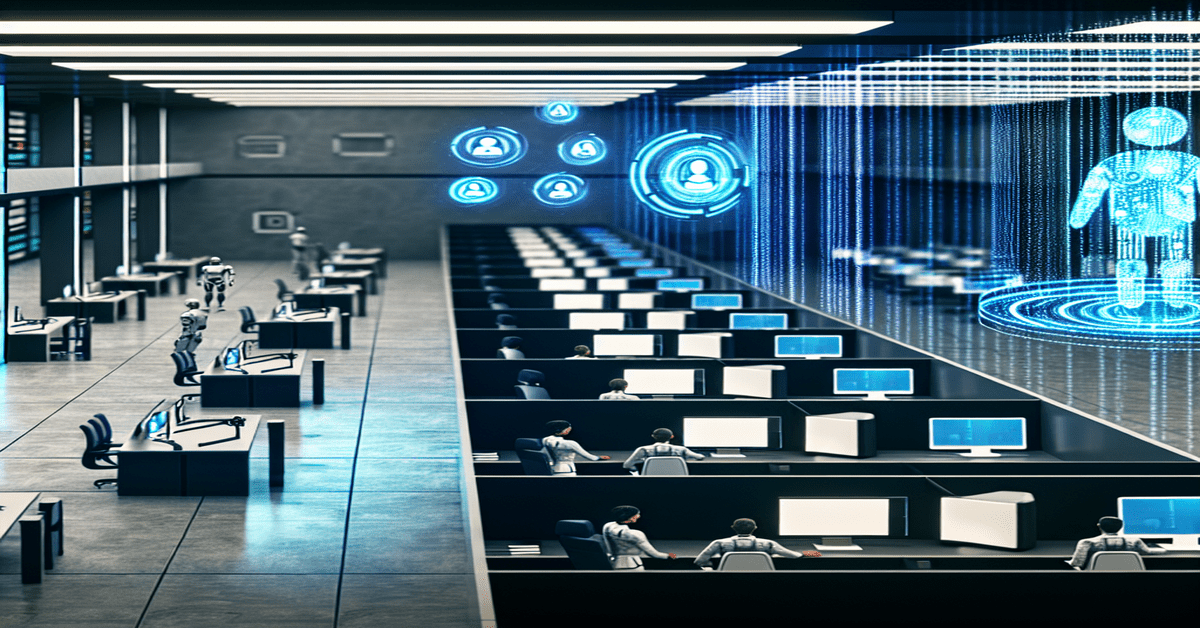
Musk’s AI Revolution: Replacing Government Workers with Artificial Intelligence
In a bold move that has sent shockwaves through the tech industry and beyond, Elon Musk has announced his plans to replace tens of thousands of recently sacked government workers with artificial intelligence (AI) tools. As part of his newly established Department of Government Efficiency (DOGE), Musk aims to streamline government operations and reduce federal spending by automating tasks that can be machine-learned, such as data processing and customer service roles[1][2].
The Promise of AI in Government
Musk’s vision for AI in government is not without its merits. By leveraging the power of AI, the government could potentially save billions of dollars in labor costs while improving the speed and accuracy of various processes. AI-powered chatbots, for example, could handle routine inquiries from citizens 24/7, freeing up human workers to focus on more complex tasks that require empathy, negotiation, and problem-solving skills[2].
Moreover, AI could help to eliminate human bias and errors in decision-making processes, leading to fairer outcomes for citizens. For instance, AI algorithms could be used to identify patterns of discrimination in hiring practices or to flag potential fraud in government contracts[2].
The Risks of Rushing into AI
However, experts warn that replacing human workers with AI is not without its risks. One of the biggest concerns is the potential for chaos and errors if AI systems are not thoroughly tested and monitored before being deployed on a large scale. As sophisticated as AI has become, it still lacks the ability to understand context, nuance, and the complexities of human behavior[2].
Another major issue is the question of oversight and accountability. Who will be responsible for ensuring that AI systems are functioning properly and making accurate decisions? What happens when an AI system makes a mistake that has serious consequences for citizens? These are questions that need to be carefully considered before any widespread implementation of AI in government[2].
The Impact on Education and Beyond
Musk’s allies are also proposing a bigger role for AI in the Education Department, potentially replacing contract workers with AI chatbots to interact with students and parents[3]. While this could help to reduce costs and improve response times, it also raises concerns about the quality of education and the importance of human interaction in the learning process.
Beyond education, the replacement of workers with AI could have far-reaching implications for various sectors of government, from healthcare to national security. While a leaner government with faster decision-making processes is certainly appealing, it is crucial that any automation efforts are implemented carefully and with adequate safeguards in place to prevent disruptions in essential services[2].
The Way Forward
Ultimately, the success of Musk’s AI revolution will depend on finding the right balance between efficiency and accountability. While AI has the potential to transform government operations for the better, it is essential that human oversight remains a key component of any automated system.
As we move forward into this brave new world of AI-powered government, it will be crucial for policymakers, tech leaders, and citizens alike to engage in open and honest discussions about the benefits and risks of this technology. Only by working together can we ensure that the promise of AI is realized while minimizing the potential for harm.
#AI #Government #Automation #Innovation #FutureOfWork
The future of government is AI, but it must be approached with caution and care. By staying informed and engaged, we can all play a role in shaping this exciting new era of public service.
-> Original article and inspiration provided by Jason Wingard
-> Connect with one of our AI Strategists today at Opahl Technologies
