
Google Maps Blazes the Trail with Android 16’s Live Updates Notification Support
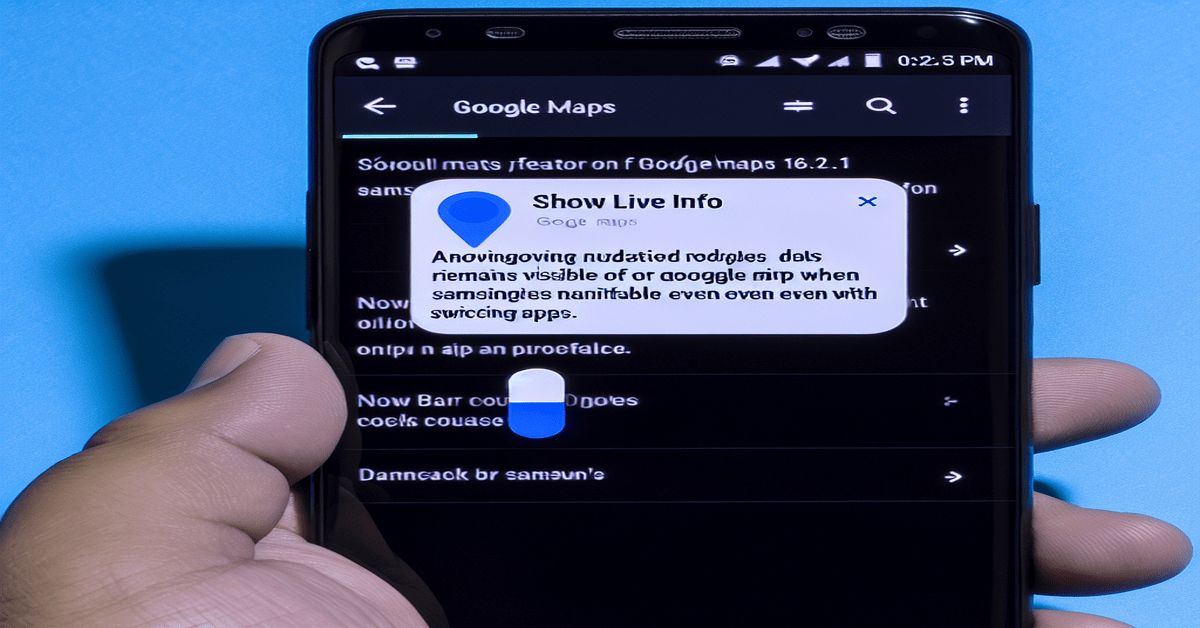
In a groundbreaking move, Google Maps has emerged as the first app to embrace Android 16’s innovative Live Updates notification feature. This exciting development, introduced in Android 16 Beta 2.1, empowers apps to showcase ongoing activities in a sleek, pill-shaped notification at the top of the screen. For avid Google Maps users, this translates to seamless navigation details that remain visible even when switching between apps, as long as Picture-in-Picture mode is turned off.
Enhancing the User Experience
Google Maps’ integration of the Live Updates feature marks a significant step forward in enhancing the user experience. With the introduction of a new toggle aptly named “Show Live Info,” users now have the flexibility to enable or disable this functionality according to their preferences. This level of customization ensures that users can tailor their navigation experience to their specific needs, whether they prefer a more immersive journey or a streamlined approach.
The benefits of this feature are far-reaching, particularly for individuals who frequently rely on Google Maps for navigation purposes. Imagine embarking on a road trip, navigating unfamiliar territory, or simply commuting to work. With Live Updates, essential navigation information remains at your fingertips, even as you multitask between apps. This seamless integration eliminates the need to constantly switch back to the Google Maps app, allowing you to stay focused on the road ahead while still receiving crucial updates.
Echoes of Samsung’s One UI 7.0
Interestingly, the concept of displaying ongoing activities is not entirely novel. Samsung’s One UI 7.0 already boasts a similar feature known as Now Bar, which showcases ongoing activities such as navigation or music playback. However, it is important to note that the implementation of Live Updates in Android 16 stands distinct from Samsung’s Now Bar.
While both features aim to enhance the user experience by providing easy access to ongoing activities, the fact that Google Maps required a separate update to support Live Updates on Android 16 highlights the independent nature of these systems. This suggests that Samsung may have the opportunity to further integrate these features more deeply in future updates, such as the highly anticipated One UI 8.0.
Implications for the Industry
The introduction of Live Updates in Android 16 and Google Maps’ swift adoption of this feature have significant implications for the industry as a whole. As users increasingly demand seamless and intuitive experiences, app developers will likely feel compelled to follow suit and explore ways to incorporate Live Updates into their own applications.
This trend not only sets a new standard for user experience but also opens up a world of possibilities for innovation. Imagine the potential applications across various domains, from fitness apps displaying real-time workout metrics to productivity tools showcasing task progress. The possibilities are endless, and Google Maps’ pioneering move serves as a catalyst for other developers to push the boundaries of what’s possible.
Engaging the Community
As the excitement surrounding Google Maps’ support for Android 16’s Live Updates notification feature continues to grow, it presents a unique opportunity for the community to engage and share their experiences. We encourage readers to explore this feature for themselves and share their thoughts, insights, and ideas in the comments section below.
Moreover, we invite industry professionals and enthusiasts to join the conversation and discuss the potential implications and opportunities that arise from this development. How do you envision Live Updates being utilized in other apps? What innovative use cases can you imagine? Let’s collaborate and explore the possibilities together.
Conclusion
Google Maps’ integration of Android 16’s Live Updates notification feature marks a significant milestone in the evolution of user experience. By providing seamless access to navigation details, even when switching between apps, Google Maps has set a new standard for convenience and usability. As the industry takes note of this development, it is clear that the future of app design and functionality is set to be transformed.
We encourage our readers to embrace this exciting feature, share their experiences, and actively participate in shaping the future of app development. Together, let’s navigate this new era of innovation and explore the boundless possibilities that lie ahead.
#GoogleMaps #Android16 #LiveUpdates
-> Original article and inspiration provided by Asif Iqbal Shaik
-> Connect with one of our AI Strategists today at ReviewAgent.ai