
Geospatial Analytics: Unlocking Insights for Business Growth and Societal Impact
The world is rapidly evolving, and businesses are constantly seeking new ways to gain a competitive edge. One of the most powerful tools in their arsenal is geospatial analytics. By leveraging location-based data and advanced analytics techniques, organizations can uncover valuable insights, optimize operations, and drive innovation across various industries.
The Geospatial Analytics Market: A Landscape of Opportunity
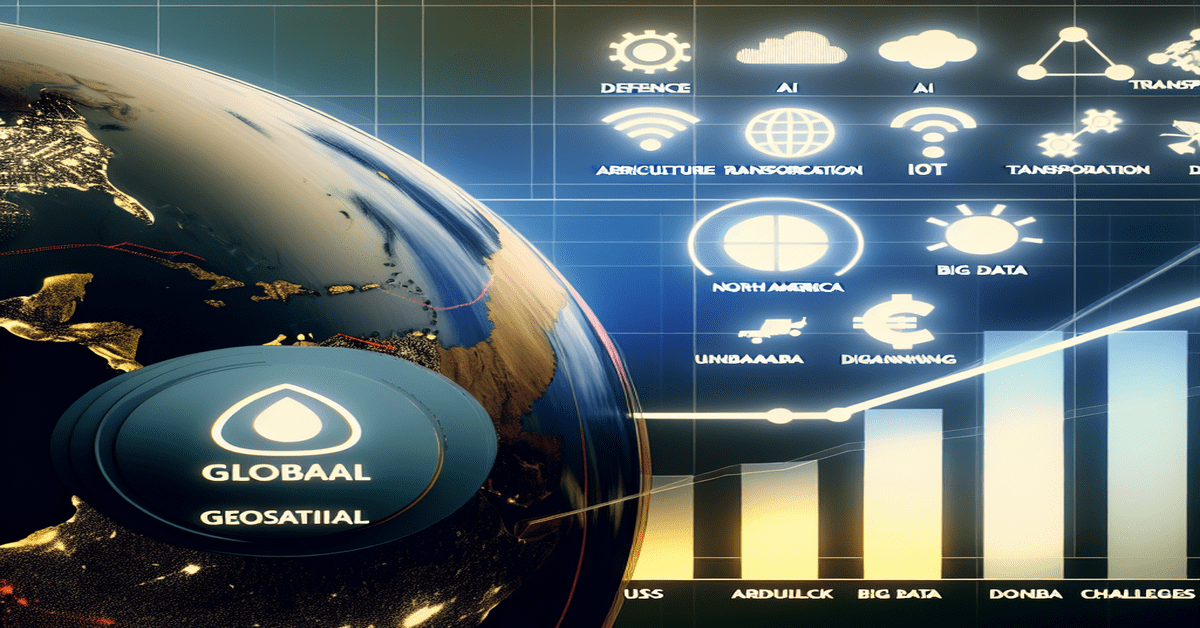
The global geospatial analytics market is experiencing remarkable growth, with projections indicating a market size of over USD 187.51 billion by 2031. This represents a compound annual growth rate (CAGR) of 12.47% during the forecast period, showcasing the immense potential and demand for geospatial solutions.
Several key players are leading the charge in this market, each bringing unique expertise and offerings to the table:
1. **Esri (US)**: Esri is a prominent provider of Geographic Information System (GIS) software and solutions, catering to diverse sectors such as government, utilities, natural resources, and public safety. Their extensive suite of tools enables organizations to capture, analyze, and visualize geospatial data for informed decision-making.
2. **Google (US)**: Google’s mapping services, including Google Maps and Google Earth, have revolutionized the way businesses and consumers interact with location data. By providing real-time information and satellite imagery, Google empowers organizations to optimize routes, identify trends, and enhance customer experiences.
3. **Precisely (US)**: Precisely specializes in geospatial data and analytics solutions, helping businesses harness the power of location intelligence to drive operational efficiency and uncover new opportunities.
4. **Caliper Corporation (US)**: With a focus on transportation planning and GIS solutions, Caliper Corporation enables organizations to analyze and optimize transportation networks, improving mobility and reducing congestion.
5. **Blue Marble Geographic (US)**: Blue Marble Geographic offers expertise in geospatial data conversion and software solutions, facilitating seamless integration and utilization of location-based information across various platforms.
Driving Forces behind Market Growth
The geospatial analytics market is propelled by several key drivers, including the increasing adoption of geospatial solutions in industries such as agriculture, defense, transportation, and urban planning. As organizations recognize the value of location-based insights, they are actively incorporating geospatial analytics into their decision-making processes.
Moreover, advancements in artificial intelligence (AI), Internet of Things (IoT), and big data integration are further fueling market expansion. These technologies enable the collection, processing, and analysis of vast amounts of geospatial data, unlocking previously untapped insights and facilitating real-time monitoring and predictive analytics.
Challenges and Opportunities
Despite the immense growth potential, the geospatial analytics market faces certain challenges. One significant hurdle is the lack of skilled manpower. As the demand for geospatial expertise grows, organizations must invest in training and development programs to bridge the talent gap and ensure a steady supply of qualified professionals.
Data privacy concerns also pose a challenge, as the collection and utilization of location-based data raise questions about individual privacy rights. Balancing the benefits of geospatial analytics with the need for robust data protection measures is crucial to maintain trust and compliance.
However, these challenges also present opportunities for innovation and collaboration. By fostering partnerships between industry players, academia, and government entities, the geospatial community can address skill gaps, develop privacy-preserving solutions, and create a sustainable ecosystem for growth.
Regional Trends and Market Dynamics
The geospatial analytics market exhibits distinct regional trends, reflecting the diverse needs and technological landscapes across the globe. North America is expected to hold a significant market share, largely due to the presence of major players and a well-developed technology infrastructure. The region’s emphasis on innovation and early adoption of advanced solutions positions it as a key driver of market growth.
Europe and the Middle East & Africa also show promising growth potential, fueled by technological advancements and the proliferation of smart city initiatives. Governments and businesses in these regions are increasingly leveraging geospatial analytics to optimize urban planning, enhance public services, and promote sustainable development.
Embracing the Geospatial Revolution
As the world becomes increasingly connected and data-driven, geospatial analytics emerges as a transformative force across industries. By harnessing the power of location-based insights, organizations can gain a deeper understanding of their markets, customers, and operations, enabling them to make informed decisions and drive meaningful change.
To stay ahead in this rapidly evolving landscape, businesses must embrace geospatial analytics as a strategic imperative. By investing in the right tools, talent, and partnerships, organizations can unlock the full potential of location intelligence and position themselves for success in the digital age.
The geospatial analytics market presents a world of opportunities, and those who seize them will be the pioneers shaping the future of industries and societies alike. As we navigate this exciting frontier, let us harness the power of geospatial insights to drive innovation, solve complex challenges, and create a more connected and sustainable world.
#GeospatialAnalytics #LocationIntelligence #MarketGrowth #IndustryTrends #SmartCities
-> Original article and inspiration provided by ReviewAgent.ai
-> Connect with one of our AI Strategists today at ReviewAgent.ai