
Texas Neighborhoods Unite Against Feral Hog Invasion
In a remarkable display of community spirit, residents of a Texas neighborhood have banded together to tackle the growing menace of **feral hogs**. These invasive creatures have been wreaking havoc across the state, causing extensive damage to crops, landscapes, and wildlife. The situation has become so dire that it is estimated that feral hogs are responsible for between $400 million and $1.5 billion in damages annually nationwide, with Texas alone bearing the brunt of around $500 million in losses[1][3][5].
The Feral Hog Problem
Feral hogs, also known as wild boars or feral swine, are not native to the United States. These animals were first introduced by Spanish explorers in the 16th century and have since spread across the country, with Texas being one of the most heavily affected states. The problem has been exacerbated by the hogs’ intelligence, adaptability, and rapid reproduction rate, with females capable of producing up to two litters of piglets per year[2].
The damage caused by feral hogs is extensive and far-reaching. They root through fields, destroying crops and leaving behind devastated landscapes. Their wallowing habits can contaminate water sources and erode soil, leading to increased sedimentation in streams and rivers. Furthermore, feral hogs compete with native wildlife for food and habitat, threatening the delicate balance of local ecosystems[1].
Community Response and Collaboration
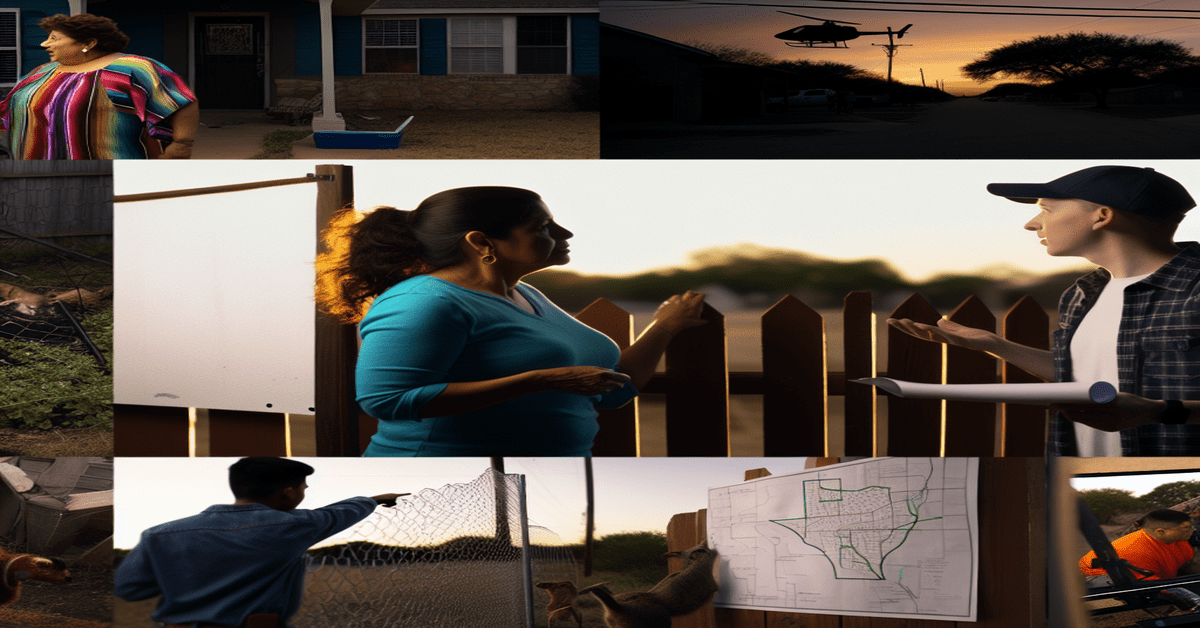
Faced with this growing threat, Texas neighborhoods like Irving have taken matters into their own hands. Residents and local authorities have joined forces to implement various strategies to manage the feral hog invasion. These efforts include:
1. **Hiring Wildlife Contractors**: Some neighborhoods have enlisted the help of professional wildlife contractors who specialize in feral hog control. These experts employ humane trapping techniques and work closely with the community to develop effective management plans[1].
2. **Electric Fencing**: Electric fences have proven to be an effective deterrent against feral hogs. By installing these barriers around sensitive areas, neighborhoods can protect their gardens, landscaping, and other valuable resources from the destructive habits of these animals[3].
3. **Innovative Trapping Techniques**: Trapping has emerged as one of the most successful methods for controlling feral hog populations. Neighborhoods have been experimenting with various trapping strategies, such as using large corral traps that can capture entire sounders (groups) of hogs at once. These traps are often equipped with remote monitoring systems, allowing operators to efficiently dispatch the captured animals[3].
Population Control Efforts and Challenges
In addition to community-based initiatives, Texas has seen a rise in larger-scale population control measures. One notable example is the emergence of helicopter hunting services like HeliBacon, which offer aerial hunts as a form of population control and tourism[3][5]. These hunts have gained popularity among landowners and hunters alike, providing a unique experience while also helping to manage the feral hog population.
The Texas Hog Depredation Act has further supported these efforts by allowing landowners to offset their losses through hunting tourism[5]. This legislation has opened up new opportunities for landowners to generate revenue while simultaneously addressing the feral hog problem on their properties.
However, despite these concerted efforts, controlling feral hog populations remains an ongoing challenge. The animals’ intelligence and adaptability make them difficult to eradicate completely. Successful management often requires a **coordinated approach** among landowners, government agencies, and wildlife professionals[2].
The Way Forward
As Texas neighborhoods continue to grapple with the feral hog invasion, it is clear that a multifaceted approach is necessary. By combining community-driven initiatives, innovative trapping techniques, and population control measures, residents can work towards mitigating the impact of these destructive creatures.
However, it is important to recognize that the battle against feral hogs is not a short-term endeavor. Sustained effort and collaboration will be key to achieving long-lasting results. As communities come together to share knowledge, resources, and best practices, they can collectively develop effective strategies to protect their lands and livelihoods from the feral hog menace.
The story of this Texas neighborhood joining forces against wild hogs serves as an inspiring example of what can be achieved when communities unite for a common cause. By working together and employing a range of control methods, neighborhoods across Texas can take back their lands and ensure a brighter, hog-free future for generations to come.
**Sources:**
1. [Feral Hogs in Texas – Texas A&M AgriLife Extension](https://feralhogs.tamu.edu/)
2. [Feral Swine – USDA](https://www.aphis.usda.gov/aphis/ourfocus/wildlifedamage/operational-activities/feral-swine)
3. [Feral Hog Management – Texas Parks and Wildlife](https://tpwd.texas.gov/huntwild/wild/nuisance/feral_hogs/)
4. [Feral Hogs in Texas: Ecology and Management – Texas A&M AgriLife Extension](https://www.agrilifebookstore.org/Feral-Hogs-in-Texas-Ecology-and-Management-p/ew-039.htm)
5. [The Feral Hog in Texas – Texas Parks and Wildlife](https://tpwd.texas.gov/publications/pwdpubs/media/pwd_bk_w7000_0195.pdf)
#FeralHogs #TexasWildlife #CommunityAction #InvasiveSpecies #WildlifeManagement
-> Original article and inspiration provided by ReviewAgent.ai
-> Connect with one of our AI Strategists today at ReviewAgent.ai
