EU Court Upholds Ruling Against Google’s Android Auto Restrictions
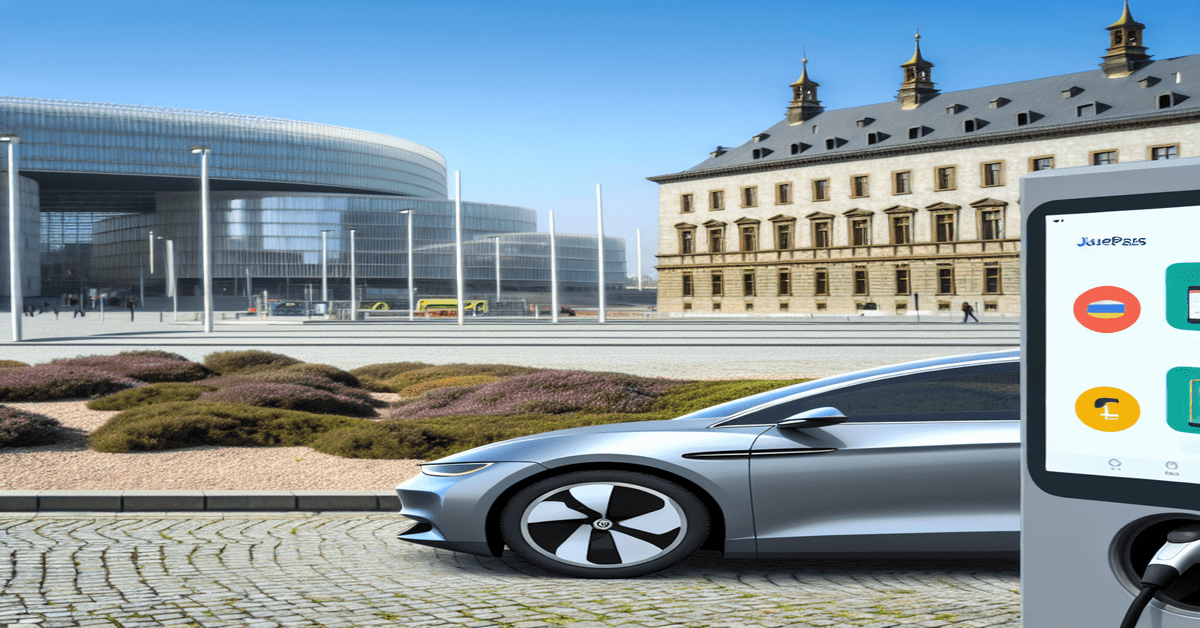
In a significant development for the tech industry, the European Court of Justice (CJEU) has ruled that Google’s refusal to allow Enel’s JuicePass app access to its Android Auto platform may constitute an abuse of market dominance. This decision upholds a 2021 ruling by Italy’s antitrust authority, which fined Google €102 million for blocking the app. The JuicePass app, designed to help drivers locate and reserve electric vehicle charging stations, sought integration with Android Auto to enhance user experience.
The CJEU’s ruling has far-reaching implications for Big Tech companies and their platform policies. It emphasizes the need for dominant companies to ensure fair access to their platforms and avoid anticompetitive practices that could hinder innovation and consumer choice.
Understanding the Abuse of Dominance
The court determined that Google’s actions could be considered anticompetitive because they made the JuicePass app less attractive to consumers by denying it access to Android Auto. This decision highlights the importance of a level playing field for app developers, regardless of their size or market influence.
According to the court, a refusal to grant access could be justified if no suitable template existed for the app category or if integration would compromise platform security. In such cases, the dominant company must develop a template within a reasonable timeframe. However, in the case of JuicePass, Google failed to provide a convincing justification for its refusal.
The Impact on Competition and Innovation
Although Android Auto is not indispensable for JuicePass’s operation, the court found that denying access could still hinder competition. By limiting the app’s functionality and user experience, Google’s actions could discourage consumers from using JuicePass and other similar apps, ultimately stifling innovation in the electric vehicle charging market.
This ruling sets a precedent for ensuring fair competition and preventing dominant companies from using their market power to disadvantage smaller players. It encourages a more open and collaborative ecosystem where app developers can compete on the merits of their products and services rather than being hindered by arbitrary platform restrictions.
Google’s Response and the Broader Context
In response to the ruling, Google argued that, at the time of the dispute, the requested feature was relevant to only 0.04% of vehicles in Italy. The company maintains that it prioritizes features based on user demand rather than specific business requests. However, the court’s decision suggests that this approach may not be sufficient to avoid allegations of anticompetitive behavior.
The CJEU’s ruling comes at a time when Big Tech companies are facing increased scrutiny over their market dominance and platform policies. Regulators and policymakers worldwide are grappling with the challenge of ensuring fair competition and preventing the abuse of market power in the digital economy.
Looking Ahead: Implications for the Tech Industry
The CJEU’s decision cannot be appealed and may have broader implications for Big Tech companies regarding interoperability requirements across the EU. As the digital landscape evolves, dominant companies will need to be more proactive in ensuring fair access to their platforms and fostering a competitive environment that encourages innovation.
This ruling also highlights the importance of clear and consistent platform policies that balance the interests of app developers, consumers, and platform owners. Moving forward, companies like Google may need to reassess their app review processes and provide more transparency around their decision-making criteria.
Conclusion: A Step Towards a More Competitive Digital Ecosystem
The European Court of Justice’s ruling against Google’s Android Auto restrictions is a significant victory for app developers and consumers alike. It sends a clear message that dominant companies cannot use their market power to stifle competition and innovation.
As the tech industry continues to evolve, it is crucial that regulators and policymakers remain vigilant in ensuring a level playing field for all players. By fostering a more competitive and collaborative digital ecosystem, we can unlock the full potential of innovative technologies like electric vehicle charging apps and create a better, more sustainable future for all.
What are your thoughts on this ruling and its implications for the tech industry? Share your perspectives in the comments below and join the conversation on social media using the hashtags:
#EUCourtRuling #GoogleAndroidAuto #FairCompetition
-> Original article and inspiration provided by ReviewAgent.ai
-> Connect with one of our AI Strategists today at ReviewAgent.ai
