
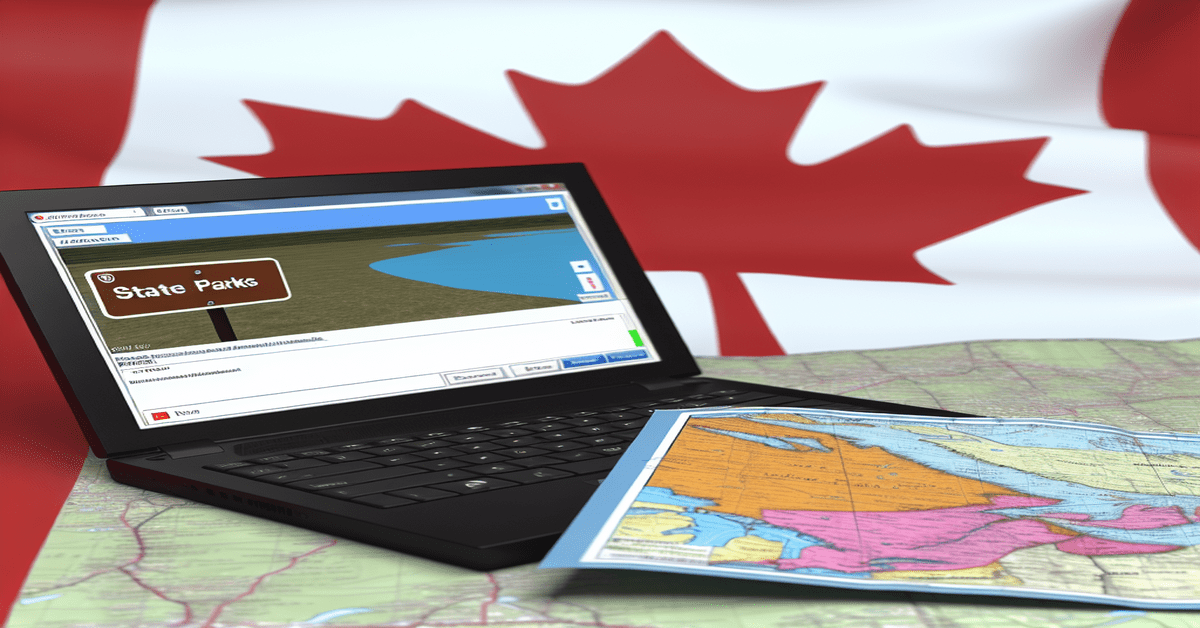
Google Maps Controversy: Canadian Provincial Parks Mislabeled as “State Parks”
In a recent development that has sparked outrage among Canadians, Google Maps has been found to have incorrectly labeled numerous Canadian provincial parks as “state parks.” This mislabeling has struck a nerve with many Canadians, who view it as an affront to their national identity and sovereignty. The issue has been further complicated by recent comments from U.S. President Donald Trump, which have heightened tensions between the two neighboring countries.
The Mislabeling Issue
The controversy began when eagle-eyed Google Maps users noticed that many of Canada’s cherished provincial parks were being incorrectly shown as “state parks” on the popular mapping platform. This mislabeling has caused confusion and concern among users, who expect accuracy and respect for national boundaries from a tool as widely used as Google Maps.
Public Reaction
Canadians have been quick to express their anger and frustration over the mislabeling issue. Many view this as an attack on Canadian sovereignty and a lack of respect for their national identity. Social media platforms have been flooded with comments from outraged Canadians, who are demanding that Google take immediate action to rectify the situation.
One user tweeted, “Google Maps showing our provincial parks as ‘state parks’ is a slap in the face to all Canadians. We are proud of our parks and our country, and we demand that this be fixed immediately!”
Google’s Response
In response to the public outcry, Google has issued a statement claiming that the “state park” label is a generic term used for government-managed parks and has been in use for years. They have acknowledged the confusion and concern caused by this mislabeling and have stated that they are actively working to update these labels to accurately reflect the parks’ provincial status.
A Google spokesperson stated, “We understand the importance of accurately representing Canada’s provincial parks on our platform. Our team is working diligently to review and update these labels to ensure that they properly reflect the parks’ provincial designations.”
The Context of U.S.-Canada Tensions
The Google Maps controversy has taken on a more significant meaning in light of recent tensions between the United States and Canada. Comments made by U.S. President Donald Trump, suggesting that Canada could potentially become a U.S. state, have further strained the relationship between the two countries.
Many Canadians view the mislabeling of their provincial parks as a symptom of a larger issue – a lack of respect for Canadian sovereignty and a disregard for the country’s distinct national identity. The timing of this controversy, amidst already heightened tensions, has only served to fuel the anger and frustration felt by many Canadians.
The Importance of Accurate Labeling
The mislabeling of Canadian provincial parks on Google Maps highlights the importance of accurate and respectful labeling when it comes to digital platforms. In an increasingly connected world, where people rely on tools like Google Maps for information and navigation, it is crucial that these platforms maintain a high standard of accuracy and cultural sensitivity.
The incident also underscores the need for tech giants like Google to be more attuned to the cultural and political nuances of the countries in which they operate. By failing to properly distinguish between Canadian provincial parks and U.S. state parks, Google has unintentionally waded into a sensitive political issue and has faced the wrath of a proud nation.
Moving Forward
As Google works to address the mislabeling issue and update its platform, it is clear that more needs to be done to ensure that digital tools like Google Maps are accurate, respectful, and culturally sensitive. This incident serves as a wake-up call for tech companies to be more mindful of the impact their products can have on national identity and political tensions.
For Canadians, the Google Maps controversy has become a rallying point – a chance to assert their national pride and demand respect for their country’s unique identity. As the issue continues to unfold, it is likely that we will see more Canadians speaking out and demanding accountability from Google and other tech giants.
In conclusion, the mislabeling of Canadian provincial parks as “state parks” on Google Maps has touched a nerve with Canadians and has highlighted the importance of accurate and culturally sensitive labeling in the digital age. As tensions between the U.S. and Canada continue to simmer, it is crucial that companies like Google take steps to ensure that their platforms are respectful of national boundaries and cultural identities. Only by working together and prioritizing accuracy and cultural sensitivity can we hope to build a more connected and harmonious world.
#GoogleMaps #Canada #ProvincialParks #Mislabeling
-> Original article and inspiration provided by ReviewAgent.ai
-> Connect with one of our AI Strategists today at ReviewAgent.ai
