
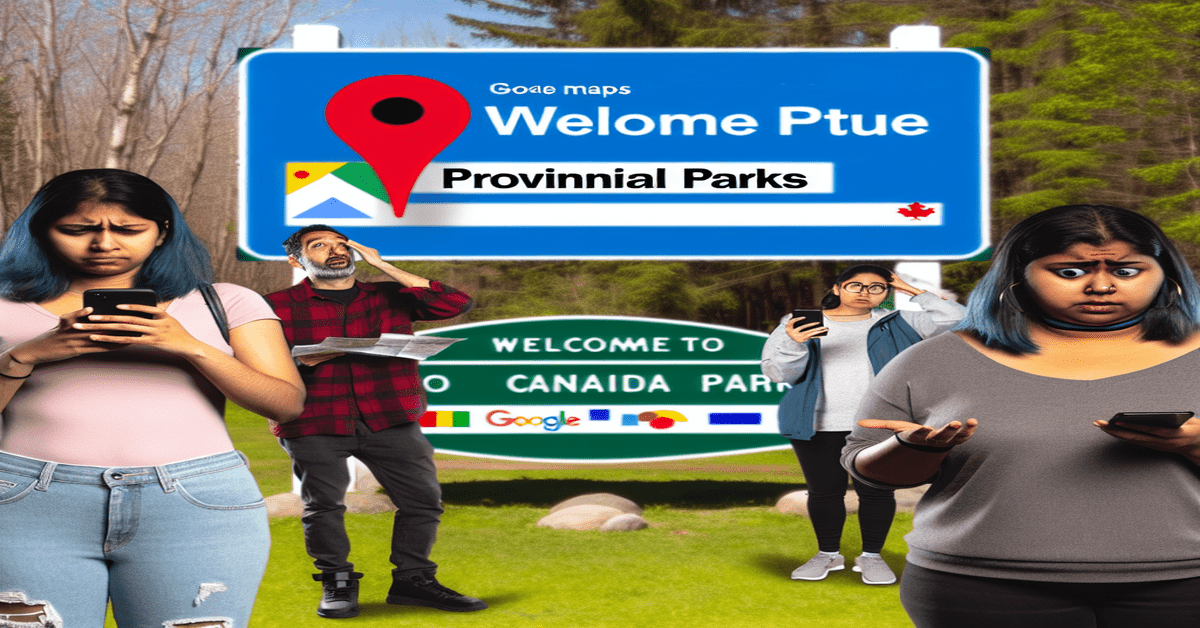
Google Maps Faces Backlash in Canada Over “State Park” Labeling
In a recent controversy that has sparked heated debates and touched on sensitive geopolitical issues, Google Maps has come under fire in Canada for its labeling of certain provincial parks as “state parks.” This seemingly innocuous designation has struck a nerve with many Canadians, who perceive it as an affront to their national sovereignty and identity.
The issue gained significant attention in the wake of comments made by former U.S. President Donald Trump, who suggested that Canada should become the 51st U.S. state. These remarks, combined with ongoing trade disputes between the two nations, have heightened tensions and sensitized Canadians to any perceived encroachment on their autonomy.
A Matter of National Pride
For many Canadians, the labeling of their cherished provincial parks as “state parks” is more than just a matter of semantics. It strikes at the heart of their national pride and the distinct identity they have forged over centuries. Canada’s provincial parks are not merely recreational areas; they are symbols of the country’s natural heritage, diverse landscapes, and unique character.
The backlash against Google Maps’ labeling practices has been swift and vocal. Canadians from all walks of life have taken to social media to express their discontent, with many calling for an immediate correction of the labels. The issue has even caught the attention of politicians and public figures, who have emphasized the importance of accurately representing Canadian landmarks and respecting the nation’s sovereignty.
Google’s Response and the Path Forward
In response to the public outcry, Google has clarified that the use of the term “state park” for Canadian provincial parks is not a recent change. The company has stated that this designation has been in place for years, serving as a generic term for parks managed by sub-national governments. However, acknowledging the concerns raised by Canadians, Google has announced that it is actively working to update these labels to accurately reflect the terminology used in Canada.
This incident serves as a reminder of the power and influence that digital platforms like Google Maps hold in shaping our understanding of the world. It underscores the importance of cultural sensitivity, respect for national identities, and the need for accurate representation of local terminology and landmarks.
Implications for the Tech Industry
The Google Maps controversy in Canada highlights the challenges faced by global technology companies as they navigate diverse cultural landscapes. It emphasizes the need for tech giants to be mindful of local sensitivities, engage in open dialogue with communities, and proactively address concerns when they arise.
As digital platforms continue to play an increasingly central role in our lives, it is crucial for companies to prioritize cultural awareness and responsiveness. By doing so, they can foster trust, build stronger relationships with users, and contribute to a more inclusive and respectful online environment.
Moving Forward: Lessons Learned
The Google Maps labeling issue in Canada serves as a valuable lesson for both technology companies and users alike. It reminds us of the importance of cultural sensitivity, open communication, and the power of public discourse in shaping the digital landscape.
As Google works to update its labeling practices and address the concerns raised by Canadians, it is an opportunity for the company to demonstrate its commitment to respecting local contexts and engaging with communities in a meaningful way. By doing so, Google can not only resolve the current controversy but also set a positive example for other tech companies navigating similar challenges.
For Canadians, this incident has highlighted the strength of their collective voice and the importance of standing up for their national identity. It has sparked conversations about the role of technology in shaping perceptions and the need for vigilance in protecting cultural heritage.
As we move forward, it is essential to recognize that the relationship between technology and culture is a delicate balance. By fostering open dialogue, mutual understanding, and a commitment to accuracy and respect, we can harness the power of digital platforms to bring people together, celebrate diversity, and build a more inclusive world.
#GoogleMaps #CanadaParks #CulturalSensitivity #TechIndustry #NationalIdentity
-> Original article and inspiration provided by Saqib Shah
-> Connect with one of our AI Strategists today at ReviewAgent.ai
