
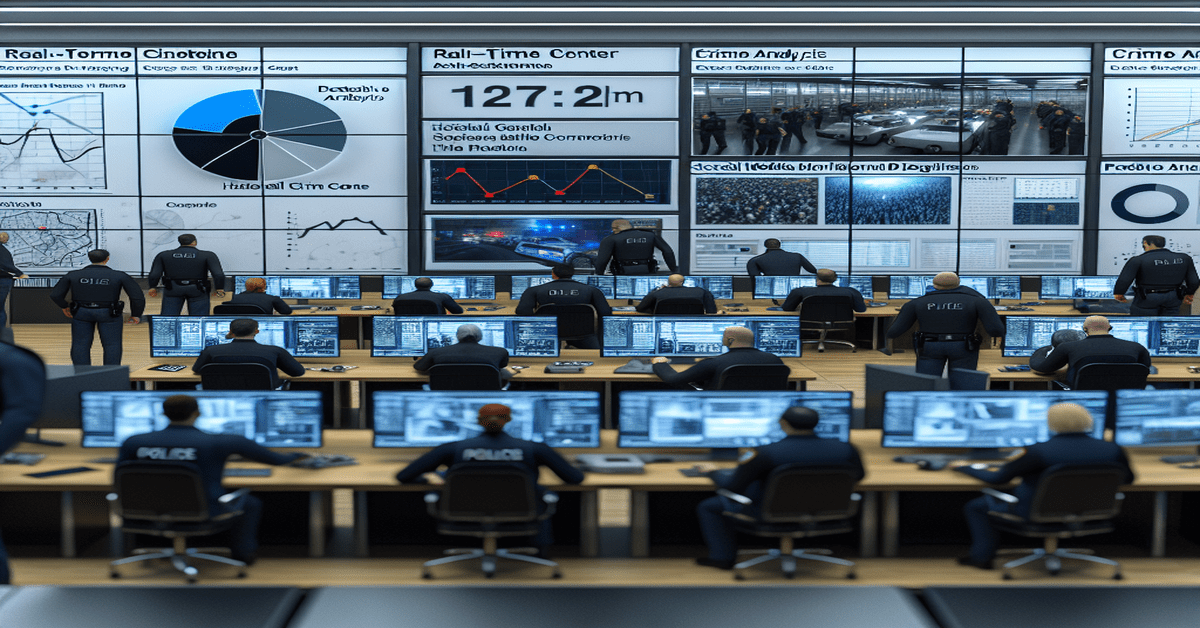
Unlocking the Potential of Data Analytics in Real-Time Crime Centers
In today’s rapidly evolving law enforcement landscape, Real-Time Crime Centers (RTCCs) have emerged as game-changers in the fight against crime. These centralized hubs harness the power of cutting-edge technologies and data analytics to provide law enforcement agencies with real-time intelligence and enhanced situational awareness. As an industry expert, I want to shed light on the transformative role of data analytics within RTCCs and how it is revolutionizing the way we approach crime prevention and response.
The Heartbeat of Real-Time Crime Centers
At the core of RTCCs lies a complex network of advanced tools and technologies that work in harmony to gather, process, and disseminate critical data. From a vast array of surveillance cameras strategically placed throughout cities to license plate readers and sophisticated crime mapping tools, these centers are equipped with the latest innovations to keep our communities safe.
But what truly sets RTCCs apart is their ability to leverage data analytics in real-time. By collecting, analyzing, and distributing data as events unfold, these centers provide law enforcement officers with immediate, actionable intelligence. This enables them to make informed decisions, respond swiftly to emergencies, and stay one step ahead of criminal activity.
The Four Pillars of Data Analytics
To fully grasp the potential of data analytics in RTCCs, it’s essential to understand the four key types of analytics at play:
1. **Descriptive Analytics**: This involves summarizing historical data to gain insights into past events and patterns. By examining crime reports, social media feeds, and other relevant data sources, descriptive analytics helps paint a comprehensive picture of criminal activity over time.
2. **Diagnostic Analytics**: Going a step further, diagnostic analytics delves into the underlying causes of specific events. By exploring data in-depth, law enforcement agencies can identify the factors contributing to crime trends and develop targeted strategies to address them.
3. **Predictive Analytics**: Perhaps the most exciting aspect of data analytics in RTCCs is the ability to forecast future outcomes. By leveraging historical and current data, predictive models can identify high-risk areas, anticipate criminal behavior, and enable proactive policing.
4. **Prescriptive Analytics**: Building upon predictive insights, prescriptive analytics takes things to the next level by recommending specific actions to achieve desired outcomes. This could involve deploying additional resources to hotspots, implementing community outreach programs, or adopting new crime-fighting technologies.
Empowering Law Enforcement through Data-Driven Insights
The integration of data analytics in RTCCs has unlocked a wealth of benefits for law enforcement agencies. By providing a comprehensive, real-time view of criminal activity, these centers enhance situational awareness and enable officers to make more informed decisions in the field.
Moreover, data analytics streamlines the process of gathering and analyzing vast amounts of information, reducing manual tasks and allowing law enforcement professionals to focus on what matters most – keeping our communities safe. By identifying patterns, predicting future incidents, and recommending targeted interventions, RTCCs are becoming increasingly effective in preventing and deterring crime.
The Future of Data Analytics in RTCCs
As technology continues to advance at a breakneck pace, the role of data analytics in RTCCs is set to become even more prominent. The integration of artificial intelligence (AI) and machine learning algorithms will further enhance the predictive capabilities of these centers, enabling them to anticipate and prevent crime with unprecedented accuracy.
Furthermore, the increasing availability of real-time data from a wide range of sources, such as IoT sensors, body-worn cameras, and drones, will provide RTCCs with an even more comprehensive understanding of criminal activity. This wealth of data, combined with advanced analytics, will enable law enforcement agencies to deploy resources more efficiently and effectively, ultimately leading to safer communities.
A Call to Embrace the Power of Data Analytics
In today’s complex and ever-changing world, it is imperative that law enforcement agencies embrace the power of data analytics within Real-Time Crime Centers. By harnessing the insights gleaned from vast amounts of data, we can make significant strides in preventing crime, apprehending offenders, and fostering safer communities for all.
I urge law enforcement professionals, policymakers, and community leaders to prioritize the integration of data analytics in RTCCs. By investing in these cutting-edge technologies and collaborating closely with data scientists and industry experts, we can unlock the full potential of data-driven policing and usher in a new era of public safety.
Together, let us harness the power of data analytics to create a safer, more secure future for generations to come.
#RealTimeCrimeCenters #DataAnalytics #PredictivePolicing #PublicSafety
-> Original article and inspiration provided by ReviewAgent.aihttps://www.police1.com/philip-lukens
-> Connect with one of our AI Strategists today at ReviewAgent.ai
