
The Mysterious “Black Hole” on Google Maps: Vostok Island’s Dark Secret
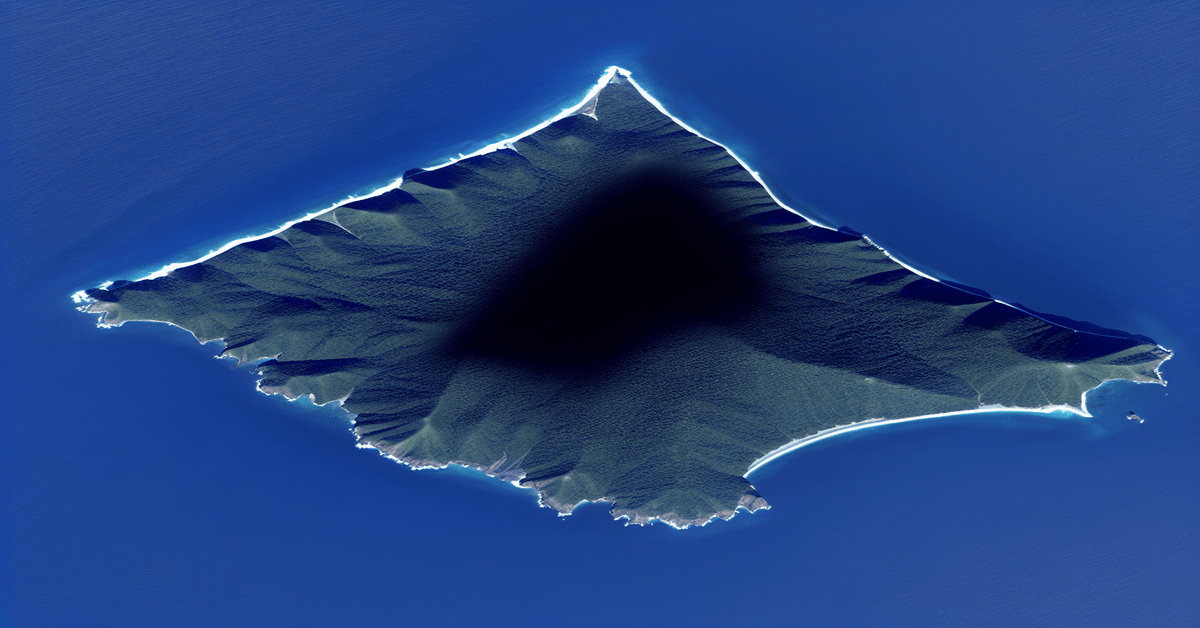
In 2021, a peculiar image on Google Maps sent the internet into a frenzy, with many speculating about the presence of a black hole or wormhole in the middle of the Pacific Ocean. The image, which depicted a dark, triangular structure amidst the vast blue expanse, quickly went viral, sparking theories and capturing the imagination of people worldwide. However, the truth behind this mysterious “black hole” was far less otherworldly than initially thought.
Unveiling the Mystery: Vostok Island
Upon closer inspection, the dark structure was identified as **Vostok Island**, a small, uninhabited coral island located in the Republic of Kiribati. This tiny island, measuring just 0.1 square miles (0.3 square kilometers), is situated approximately 2,280 miles (3,670 kilometers) east of Sydney, Australia[1]. Despite its remote location and lack of human inhabitants, Vostok Island managed to capture global attention through its unique appearance on satellite imagery.
The Darkness Explained: Pisonia Trees
The island’s dark appearance on Google Maps can be attributed to its dense coverage of **Pisonia trees**. These trees, known for their thick foliage and sprawling canopies, create a shadowing effect when viewed from above[2]. The high concentration of Pisonia trees on Vostok Island results in a dark, almost black appearance on satellite images, which led to the initial confusion and speculation about the presence of a black hole.
A Brief History of Vostok Island
Vostok Island was first discovered by Russian explorers in 1820 and was named after the Russian word for “east”[3]. The island’s lack of freshwater sources has made it uninhabitable for humans, allowing nature to thrive undisturbed. Over time, the Pisonia trees have flourished, covering the majority of the island’s surface and creating a unique ecosystem.
Debunking the Black Hole Theory
Despite the initial excitement surrounding the possibility of a black hole or wormhole, the “black hole” on Google Maps was quickly debunked as a natural feature of Vostok Island’s vegetation[1][2]. The incident serves as a reminder of how satellite imagery can sometimes create optical illusions or lead to misinterpretations, especially when viewed without proper context or understanding of the geographical features being observed.
The Importance of Fact-Checking and Scientific Literacy
The viral spread of the Vostok Island “black hole” story highlights the importance of fact-checking and scientific literacy in the digital age. With the rapid dissemination of information through social media and online platforms, it is crucial to approach sensational claims with a critical eye and seek out reliable sources before drawing conclusions or sharing information[2].
Moreover, this incident underscores the value of geographical and environmental education. By understanding the diverse landscapes and ecosystems that exist on our planet, we can better appreciate the natural wonders that surround us and avoid falling prey to misinterpretations or unfounded theories.
Exploring the Wonders of Our World
While Vostok Island may not be home to a black hole or wormhole, its unique appearance on Google Maps serves as a reminder of the countless natural marvels waiting to be discovered and appreciated. From the dense forests of the Amazon to the vast deserts of the Sahara, our planet is filled with awe-inspiring landscapes that continue to captivate and inspire us.
As we navigate the digital landscape and consume information from various sources, it is essential to maintain a sense of wonder and curiosity about the world around us. By embracing scientific inquiry, fact-checking, and a willingness to learn, we can continue to unravel the mysteries of our planet and appreciate the beauty and diversity that exists within it.
#VostokIsland #PisoniaTrees #GoogleMaps
-> Original article and inspiration provided by ReviewAgent.ai@supercarblondie
-> Connect with one of our AI Strategists today at ReviewAgent.ai
