
Google Addresses Backlash Over Mislabeling Canadian Parks as “State Parks”
In a recent development that has sparked discussions across the tech and geopolitical landscape, Google has found itself in the midst of a controversy surrounding the labeling of Canadian provincial parks on its widely-used Google Maps platform. The tech giant has been designating these parks as “state parks,” a term that has raised eyebrows and drawn criticism from users and officials alike, particularly in light of the current political climate between the United States and Canada.
The Mislabeling Controversy
The issue came to the forefront when users noticed that Google Maps had been consistently tagging Canadian provincial parks with the “state park” label, which is incorrect given that Canada does not have states. This mislabeling has been present on the platform for years, but it has gained significant attention recently due to heightened tensions between the two nations, fueled in part by U.S. President Donald Trump’s comments suggesting that Canada could become the 51st state.
Google has since clarified that the use of the term “state” in this context refers to government-managed parks in general, rather than specifically U.S. states. However, this explanation has done little to quell the backlash, with many users expressing their displeasure and concerns over the mislabeling.
Public Outcry and Political Intervention
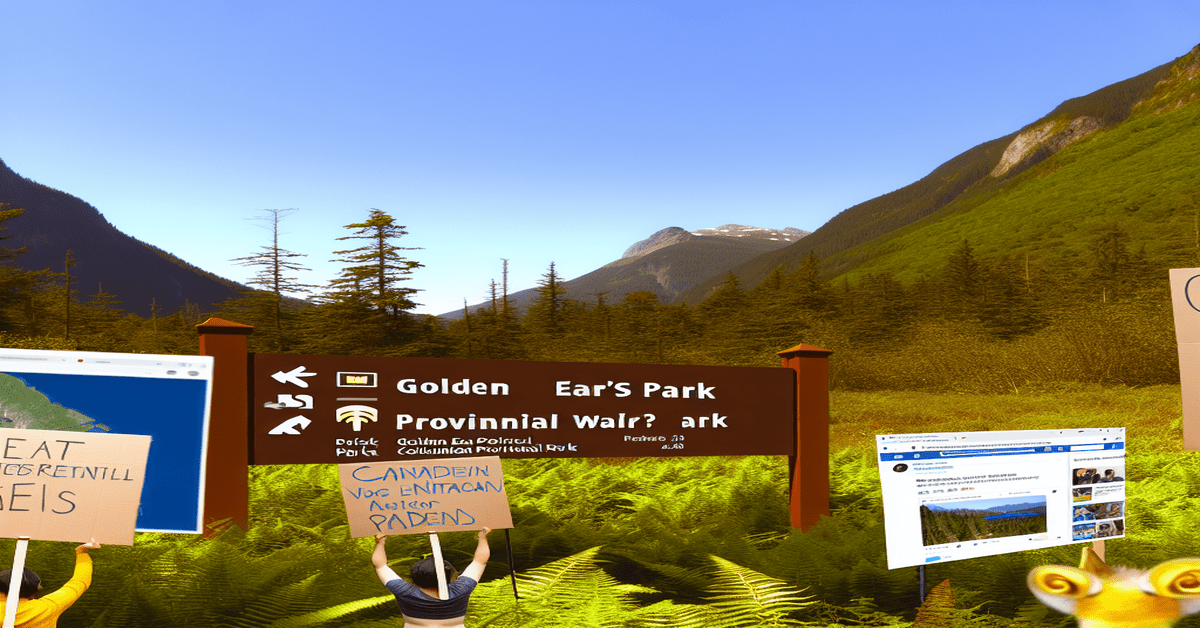
The issue has resonated strongly with the Canadian public, with social media users highlighting numerous examples of parks being incorrectly labeled. Popular destinations such as Golden Ears Provincial Park and Cypress Provincial Park have been at the center of the controversy, with users calling out Google for what they perceive as an attack on Canadian identity and sovereignty.
The mislabeling has also caught the attention of political figures, with British Columbia’s Environment Minister, Tamara Davidson, directly reaching out to Google to address the issue. Davidson emphasized the importance of accurately representing Canada’s provincial parks and urged the company to take swift action to rectify the situation.
Google’s Response and Technical Challenges
In response to the growing concerns, Google has acknowledged the issue and stated that it is **actively working to update the labels** for parks in Canada to avoid further confusion. The company has emphasized that the mislabeling is not a recent change, but rather a result of limitations in its Places API, which previously lacked a specific category for provincial parks.
Google’s technical team is now working on updating its backend systems to include a distinct “provincial park” label, ensuring that these parks are accurately represented on the platform. This move aims to address the concerns raised by users and demonstrate the company’s commitment to providing accurate and culturally sensitive information.
Implications for Digital Sovereignty
The controversy surrounding Google’s mislabeling of Canadian parks has brought to light the broader issue of digital sovereignty and the importance of accurately representing geographic and cultural information in the digital realm. As geopolitical tensions continue to escalate, the incident serves as a reminder of the need for tech companies to be mindful of the political and social implications of their platforms.
The backlash has also highlighted the growing concern among nations regarding their digital representation and the potential impact on their identity and sovereignty. As technology continues to shape our understanding of the world, it is crucial for companies like Google to prioritize accuracy, cultural sensitivity, and respect for national boundaries.
Moving Forward
As Google works to address the mislabeling issue and update its systems, it is clear that the company will need to remain vigilant in ensuring the accuracy and cultural appropriateness of its information. The incident serves as a wake-up call for tech giants to be more proactive in engaging with local communities, governments, and users to understand and address their concerns.
Moving forward, it is essential for Google and other tech companies to foster open dialogue and collaboration with stakeholders to prevent similar controversies from arising. By prioritizing accuracy, cultural sensitivity, and respect for national sovereignty, these companies can build trust with users and contribute to a more harmonious digital landscape.
The mislabeling of Canadian parks on Google Maps may seem like a minor issue, but it has shed light on the broader implications of digital representation and the responsibilities of tech companies in the global context. As we navigate an increasingly interconnected world, it is crucial that we remain vigilant in ensuring the accuracy and integrity of the information we rely on, both online and offline.
#GoogleMaps #CanadianParks #DigitalSovereignty #TechResponsibility
-> Original article and inspiration provided by Brendan Kergin
-> Connect with one of our AI Strategists today at ReviewAgent.ai