
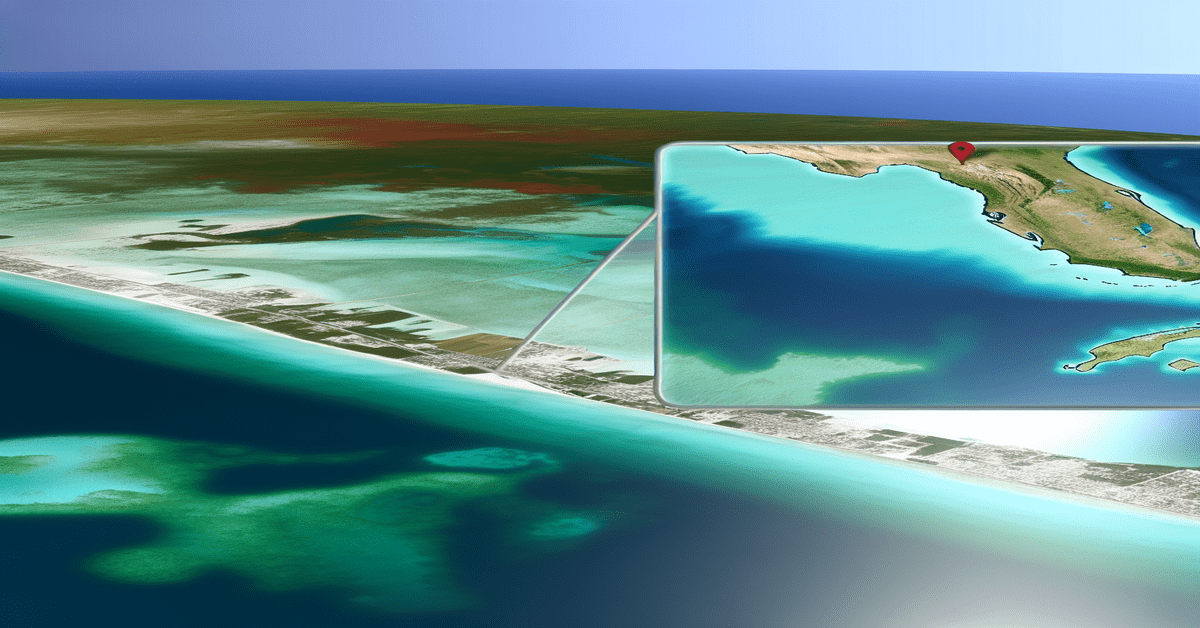
Google Maps Controversy: Mexico Threatens Legal Action Over “Gulf of America” Name Change
In a recent turn of events, a heated controversy has erupted between Mexico and Google over the naming of the “Gulf of Mexico” on Google Maps. Mexican authorities are up in arms over Google’s temporary change of the name to “Gulf of America” in some regions, deeming it an affront to Mexico’s sovereignty and cultural identity. The Mexican government has gone as far as threatening to take legal action against the tech giant if the name is not reverted back to “Gulf of Mexico.”
This issue has brought to light the delicate balance between national pride and global mapping practices. Mexico has emphasized the historical and geographical significance of the name “Gulf of Mexico,” arguing that it is an integral part of their cultural heritage. The Gulf of Mexico has been recognized by this name for centuries, and any attempt to alter it is seen as a direct challenge to Mexico’s identity.
The Importance of Geographical Names
Geographical names hold immense cultural and historical value for nations around the world. They serve as a testament to a country’s identity, reflecting its past, present, and future. The naming of geographical features is not merely a matter of convenience but a reflection of a nation’s sovereignty and pride.
In the case of the Gulf of Mexico, the name has been in use since the 16th century, when Spanish explorers first navigated its waters. The gulf has played a significant role in Mexico’s history, serving as a gateway for trade, commerce, and cultural exchange. It is no surprise, then, that Mexico views any attempt to alter the name as a direct assault on its heritage.
The Role of Technology Companies in Mapping
The controversy between Mexico and Google highlights the growing influence of technology companies in shaping our understanding of the world. With the increasing reliance on digital maps and navigation systems, companies like Google have become the gatekeepers of geographical information.
While these companies have revolutionized the way we interact with maps, they also have a responsibility to respect cultural sensitivities and maintain accuracy in their representations. The temporary change of the Gulf of Mexico’s name to “Gulf of America” on Google Maps, whether intentional or not, demonstrates the power these companies wield in shaping public perception.
Google’s Response and the Importance of Accountability
In response to Mexico’s outcry, Google has since clarified that the change was an error and has restored the original name of “Gulf of Mexico” on its maps. While this may resolve the immediate issue, it raises questions about the accountability of technology companies in handling sensitive geographical information.
It is crucial for companies like Google to have robust systems in place to prevent such errors from occurring in the first place. They must also be transparent in their processes and engage in open dialogue with nations and communities to ensure that their mapping practices align with cultural sensitivities and historical accuracy.
The Future of Digital Mapping
As we move forward in an increasingly digital world, the controversy between Mexico and Google serves as a reminder of the challenges that lie ahead. The incident underscores the need for a collaborative approach between technology companies and nations in preserving cultural heritage and maintaining accurate geographical representations.
It is essential for companies like Google to engage in meaningful partnerships with local authorities, historians, and cultural experts to ensure that their mapping practices are informed by a deep understanding of regional contexts. By working together, we can harness the power of technology to bridge cultural divides and promote a more inclusive and respectful understanding of our world.
#GoogleMaps #MexicoControversy #CulturalHeritage
As the controversy between Mexico and Google over the “Gulf of America” name change continues to unfold, it is an opportunity for us to reflect on the importance of preserving cultural heritage in the digital age. Let us engage in constructive dialogue and work towards building a future where technology and culture can coexist harmoniously.
Share your thoughts and experiences on how technology companies can better navigate cultural sensitivities in their mapping practices. Together, we can shape a more inclusive and respectful digital world.
-> Original article and inspiration provided by ReviewAgent.ai
-> Connect with one of our AI Strategists today at ReviewAgent.ai
