
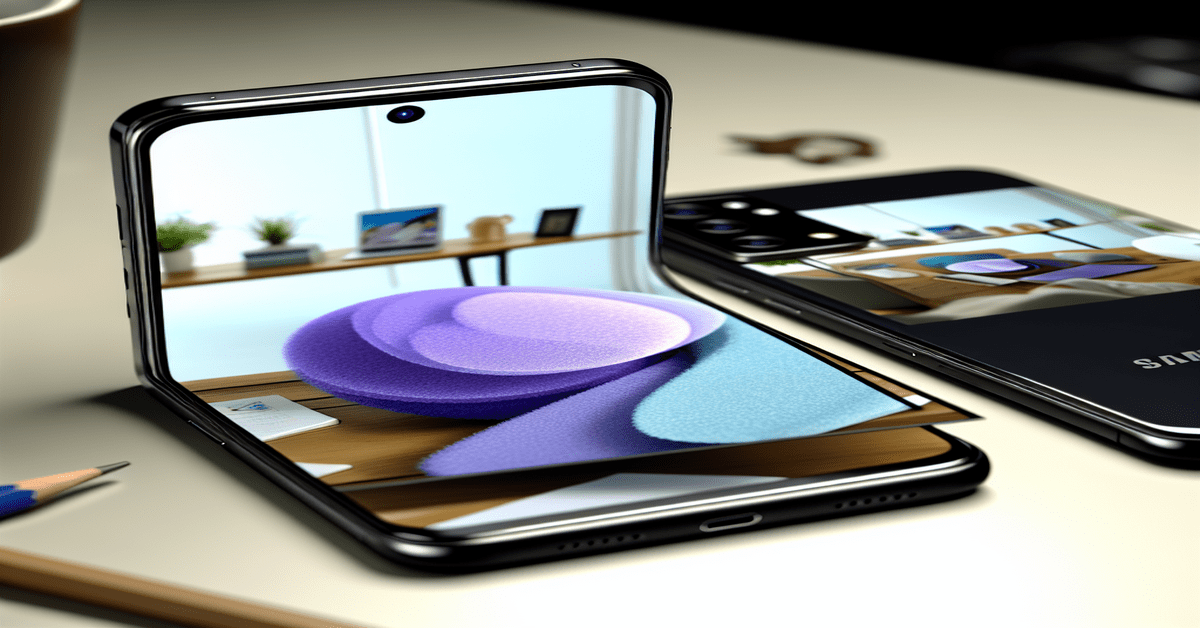
Samsung Galaxy S25: A Compact Powerhouse with Room for Improvement
The smartphone market is constantly evolving, with manufacturers vying for consumer attention through innovative features and cutting-edge technology. Samsung, a long-standing player in the industry, has recently unveiled its latest offering: the Galaxy S25. While this device boasts impressive specifications and a sleek design, it also raises questions about whether it brings enough to the table to stand out in a crowded market.
Compact Design in a World of Giants
One of the most striking aspects of the Galaxy S25 is its compact size. In an era where smartphones seem to be growing larger with each passing year, Samsung has taken a different approach. The S25’s small form factor is a refreshing change, making it easier to handle and carry around. However, this compact design comes with a trade-off: a smaller display.
The 5.6-inch Dynamic AMOLED display on the S25 is undoubtedly of high quality, with vibrant colors and excellent brightness. However, for users accustomed to larger screens, this size may feel restrictive. It’s a matter of personal preference, but it’s worth considering whether the compact design justifies the sacrificed screen real estate.
Performance and Power
Under the hood, the Galaxy S25 packs a punch. Powered by the Qualcomm Snapdragon 8 Gen 2 chipset, this device is no slouch when it comes to performance. Whether you’re running demanding apps, multitasking, or playing graphics-intensive games, the S25 should be able to handle it all with ease. The inclusion of up to 16GB of RAM and 512GB of storage further solidifies its position as a powerful device.
However, it’s important to note that while the S25’s performance is impressive, it may not be a significant leap forward compared to other flagship devices in the market. Many smartphones now boast similar specifications, making it harder for any one device to stand out based on performance alone.
Cameras: Competent but Not Groundbreaking
In the age of social media and digital content creation, camera quality has become a crucial factor in smartphone choice. The Galaxy S25 features a capable camera system, with a 50MP primary sensor and a 12MP front-facing camera. It also supports features like optical zoom and ultra-wide shots, allowing for versatile photography options.
While the cameras on the S25 are certainly competent, they may not offer any significant improvements over previous Samsung models or other flagship devices. In a market where camera innovation is a key battleground, the S25 seems to play it safe rather than pushing boundaries.
Battery Life and Charging
One potential drawback of the Galaxy S25’s compact size is its impact on battery life. With a smaller battery capacity of around 3,900mAh, the device may struggle to keep up with the demands of heavy usage. While the exact battery life will depend on individual usage patterns, it’s an important consideration for those who rely on their smartphones throughout the day.
The S25 does offer fast charging capabilities, which can help mitigate battery concerns to some extent. However, it’s worth noting that the charging speeds may not be as quick as some competitors, which could be a drawback for users who need to top up their devices frequently.
Software and Updates
The Galaxy S25 runs on the latest version of Android, version 13, with Samsung’s own One UI 5.1 skin on top. Samsung has made strides in recent years to improve its software experience, and the S25 benefits from these efforts. The user interface is intuitive and customizable, allowing users to tailor their devices to their preferences.
One area where Samsung has excelled recently is in its commitment to timely software updates. The company has promised longer support cycles for its devices, ensuring that users can enjoy the latest features and security patches for an extended period. This is a welcome development, as it helps to extend the lifespan of smartphones and provides value to consumers.
Conclusion: A Solid Device with Limited Innovation
The Samsung Galaxy S25 is a well-crafted smartphone that offers solid performance, a quality display, and a compact design. It’s a device that will likely appeal to those who prioritize ease of use and portability over larger screens and cutting-edge features.
However, it’s difficult to ignore the fact that the S25 lacks significant innovation. While it excels in certain areas, it doesn’t offer any groundbreaking features or improvements that would set it apart from other flagship devices. In a market where consumers are constantly seeking the latest and greatest, this lack of differentiation could be a drawback.
Ultimately, the decision to purchase the Galaxy S25 will come down to individual priorities and preferences. For those who value a compact form factor and reliable performance, it could be an excellent choice. However, those seeking the most advanced features or the best value for money may want to consider other options in the market.
As the smartphone industry continues to evolve, it will be interesting to see how Samsung responds to the changing landscape. Will the company continue to focus on iterative improvements, or will it push the boundaries with more innovative offerings? Only time will tell, but for now, the Galaxy S25 stands as a solid, if unremarkable, addition to Samsung’s lineup.
#SamsungGalaxyS25 #SmartphoneReview #CompactDesign
Read the full review of the Samsung Galaxy S25 on Android Police for more in-depth analysis and insights.
-> Original article and inspiration provided by Android Police
-> Connect with one of our AI Strategists today at ReviewAgent.ai
