Google Maps Sparks Debate with “Gulf of America” Label
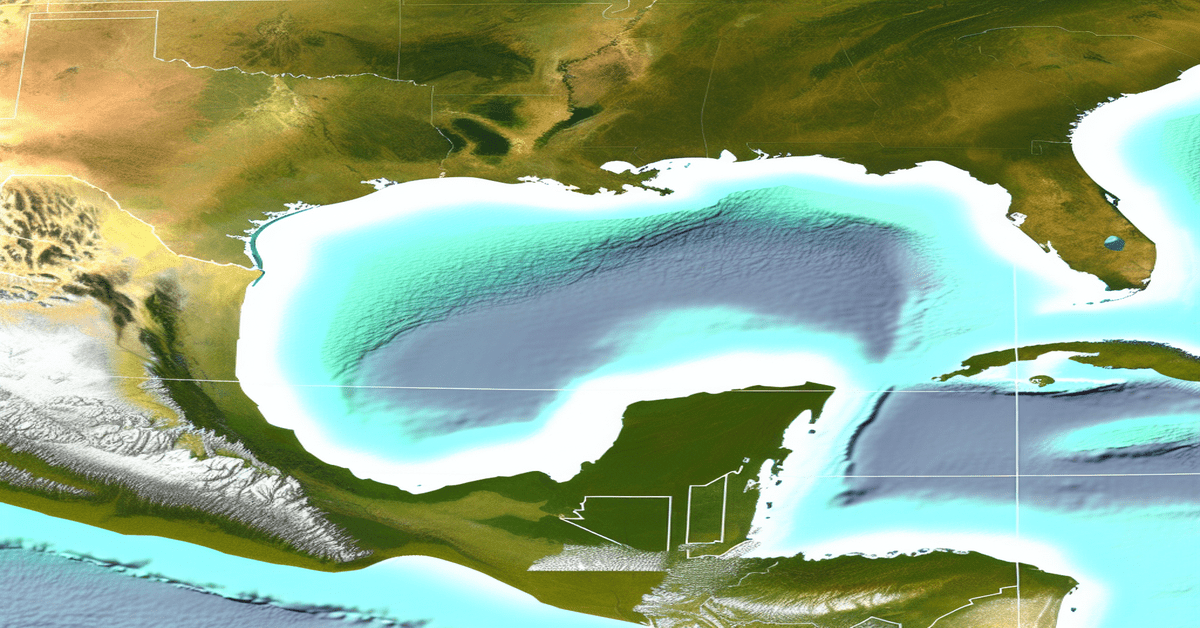
In a recent update that has piqued the interest of geography enthusiasts and the general public alike, Google Maps has introduced the term “Gulf of America” as an alternative name for the well-known Gulf of Mexico. This change, visible to users across most of the world, has sparked discussions about the importance of inclusive geographical labeling and the historical context behind the newly added name.
A Surprising Addition
The appearance of “Gulf of America” on Google Maps has caught many by surprise, as the Gulf of Mexico has been the widely accepted and used name for the body of water bordered by Mexico, the United States, and Cuba. However, Google’s decision to include an alternative name reflects the company’s commitment to acknowledging diverse regional perspectives and historical nuances.
Interestingly, the update is not visible to users in Mexico and some other regions, which raises questions about the criteria used to determine where the alternative name is displayed. Google has not provided a detailed explanation for this selective rollout, leaving room for speculation and further inquiry.
Historical Roots and Regional Variations
While the term “Gulf of America” may seem novel to many, it is not an entirely new concept. The name has historical roots, particularly in some Latin American countries where it has been used as an alternative to the more common “Gulf of Mexico.” This regional variation in naming conventions highlights the complexities of geographical labeling and how it can differ across cultures and territories.
The inclusion of “Gulf of America” on Google Maps serves as a reminder that geographical names are not always universally agreed upon and can carry different meanings and connotations for different communities. By acknowledging these variations, Google is taking a step towards creating a more inclusive and representative platform for users worldwide.
Implications and Reactions
The addition of “Gulf of America” to Google Maps has implications that extend beyond mere curiosity. It raises important questions about the role of technology giants like Google in shaping our understanding and perception of the world. As a widely used and trusted source of geographical information, Google Maps has the power to influence how people view and refer to various locations.
The update has also sparked reactions from users, with some welcoming the inclusion of alternative names as a sign of progress and others expressing concerns about the potential confusion it may cause. The debate surrounding the “Gulf of America” label highlights the need for open discussions about geographical naming conventions and the importance of considering multiple perspectives.
Embracing Diversity in Geographical Labeling
Google’s decision to include “Gulf of America” as an alternative name for the Gulf of Mexico is a significant step towards acknowledging and embracing the diversity of geographical labeling. It recognizes that the names we assign to places are not always fixed and can evolve over time, reflecting the rich tapestry of human history and cultural variations.
As we navigate an increasingly interconnected world, it is crucial to appreciate and respect the different ways in which people identify and refer to geographical features. By providing alternative names and historical context, platforms like Google Maps can contribute to a more inclusive and understanding global community.
Looking Ahead
The inclusion of “Gulf of America” on Google Maps is likely to generate further discussions and research into the origins and significance of alternative geographical names. It presents an opportunity for educators, researchers, and the general public to delve deeper into the historical and cultural factors that shape our understanding of the world around us.
As technology continues to play a pivotal role in how we access and interact with geographical information, it is essential for companies like Google to remain transparent about their decision-making processes and engage in open dialogues with users and stakeholders. By doing so, they can ensure that their platforms remain relevant, accurate, and inclusive.
Conclusion
The addition of “Gulf of America” to Google Maps has sparked a fascinating conversation about the power of geographical labeling and the importance of acknowledging diverse perspectives. As we navigate this ever-changing landscape, it is crucial to approach such updates with an open mind, a willingness to learn, and a commitment to fostering understanding across cultures and regions.
Let us embrace the opportunity to explore the rich tapestry of geographical naming conventions and the stories they tell. By doing so, we can cultivate a more inclusive and respectful global community, one that celebrates the diversity of our world and the unique ways in which we perceive and describe it.
#GoogleMaps #GeographicalLabeling #GulfOfAmerica
-> Original article and inspiration provided by James Felton
-> Connect with one of our AI Strategists today at ReviewAgent.ai