
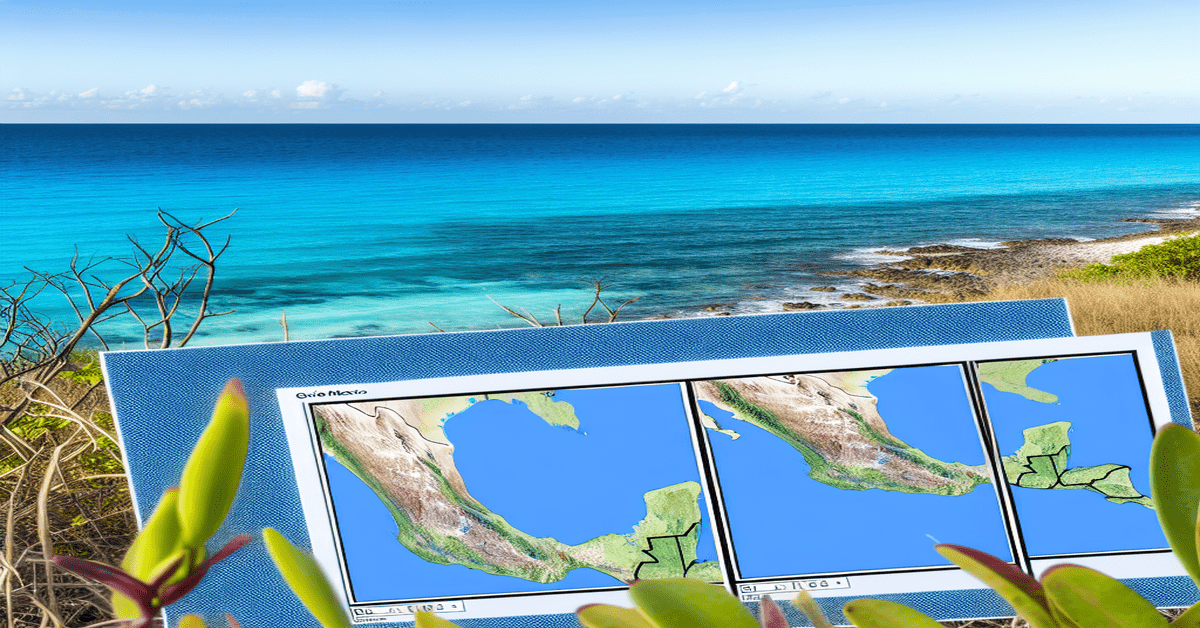
The Shift Towards Inclusive Naming Conventions in Digital Mapping
In a significant move towards promoting cultural sensitivity and inclusivity, major tech giants Apple and Microsoft are following Google’s lead in adopting the term “Gulf of America” or “Golfo de México” in their mapping services. This change reflects a growing trend among digital mapping providers to use naming conventions that accurately represent local preferences and acknowledge the diversity of languages and cultures across different regions.
Google Maps: The Trailblazer in Inclusive Naming
Google, the undisputed leader in digital mapping, was the first to make this notable change. By using the term “Gulf of America” or “Golfo de México,” Google Maps now aligns with the naming convention commonly used in Mexico and other Spanish-speaking countries. This shift not only promotes cultural sensitivity but also enhances the user experience for millions of Spanish-speaking individuals who rely on Google Maps for navigation and exploration.
Apple Maps: Embracing Inclusivity
Following in Google’s footsteps, Apple has recently updated its mapping service to adopt the same inclusive naming convention. Users of Apple Maps will now see the body of water referred to as the “Gulf of America” or “Golfo de México,” depending on their language settings. This change demonstrates Apple’s commitment to creating a more inclusive and culturally aware digital environment for its global user base.
Microsoft Maps: Joining the Movement
Not to be left behind, Microsoft is also implementing this change in its mapping platform. By aligning with Google and Apple in using the term “Gulf of America” or “Golfo de México,” Microsoft ensures consistency across the major mapping services. This collaborative effort by tech giants showcases the industry’s dedication to promoting inclusivity and respecting local naming preferences.
The Importance of Cultural Sensitivity in Digital Mapping
The adoption of inclusive naming conventions in digital mapping is more than just a cosmetic change; it represents a significant step towards acknowledging and respecting the diverse cultural identities of users worldwide. **By using names that resonate with local populations**, mapping services can foster a sense of belonging and connection among their users.
Moreover, this shift highlights the crucial role that technology plays in shaping our perception and understanding of the world around us. As digital mapping services become increasingly ubiquitous, it is essential for tech companies to prioritize cultural sensitivity and accuracy in their representations of geographical features and landmarks.
The Ripple Effect of Inclusive Naming
The impact of this change extends beyond the realm of digital mapping. As more companies adopt inclusive naming conventions, it sets a powerful precedent for other industries to follow suit. By prioritizing cultural sensitivity and accuracy, businesses can demonstrate their commitment to creating a more inclusive and equitable society.
Furthermore, this shift towards inclusive naming can inspire positive change in other areas, such as education, media, and government policies. **By recognizing and respecting the diversity of cultures and languages**, we can foster a more understanding and harmonious global community.
The Future of Digital Mapping: Embracing Diversity and Inclusivity
As technology continues to evolve and shape our lives, it is crucial for digital mapping services to remain at the forefront of promoting inclusivity and cultural sensitivity. The adoption of the term “Gulf of America” or “Golfo de México” by Google, Apple, and Microsoft is a significant step in the right direction, but there is still much work to be done.
Moving forward, it is essential for tech companies to actively engage with local communities and stakeholders to ensure that their mapping services accurately represent the diverse naming conventions and cultural identities of different regions. **By fostering open dialogue and collaboration**, digital mapping providers can create a more inclusive and culturally rich user experience.
Moreover, as artificial intelligence and machine learning technologies advance, there is an opportunity for digital mapping services to leverage these tools to enhance cultural sensitivity and accuracy. By training AI algorithms to recognize and respect local naming conventions and cultural nuances, mapping services can provide an even more personalized and inclusive experience for users worldwide.
A Call to Action: Embracing Inclusivity in Our Digital Lives
As individuals, we also have a role to play in promoting inclusivity and cultural sensitivity in our digital lives. By supporting and embracing the efforts of tech companies to adopt inclusive naming conventions, we can contribute to creating a more understanding and respectful online community.
We can start by educating ourselves about the diverse naming conventions and cultural identities of different regions and by using inclusive language in our own digital interactions. **By celebrating and appreciating the richness of our global cultural tapestry**, we can foster a more harmonious and connected world, both online and offline.
In conclusion, the adoption of the term “Gulf of America” or “Golfo de México” by major tech companies like Google, Apple, and Microsoft represents a significant step towards creating a more inclusive and culturally sensitive digital landscape. As we move forward, it is crucial for businesses, individuals, and society as a whole to embrace diversity and inclusivity in all aspects of our lives. Together, we can build a future where technology serves as a powerful tool for bridging cultural divides and promoting understanding and respect for all.
#InclusiveMapping #CulturalSensitivity #DigitalDiversity
-> Original article and inspiration provided by CNET
-> Connect with one of our AI Strategists today at ReviewAgent.ai
