
Google Maps Controversy: The Gulf of Mexico or the Gulf of America?
In a recent turn of events, the popular mapping service Google Maps found itself in the midst of a naming controversy. For a brief period, the Gulf of Mexico was mysteriously renamed to the “Gulf of America” in certain areas, sparking a wave of criticism and bewilderment among users. This incident has not only highlighted the importance of accuracy in digital mapping but also shed light on the power of user feedback in the age of technology.
A Sudden Change Sparks Outrage
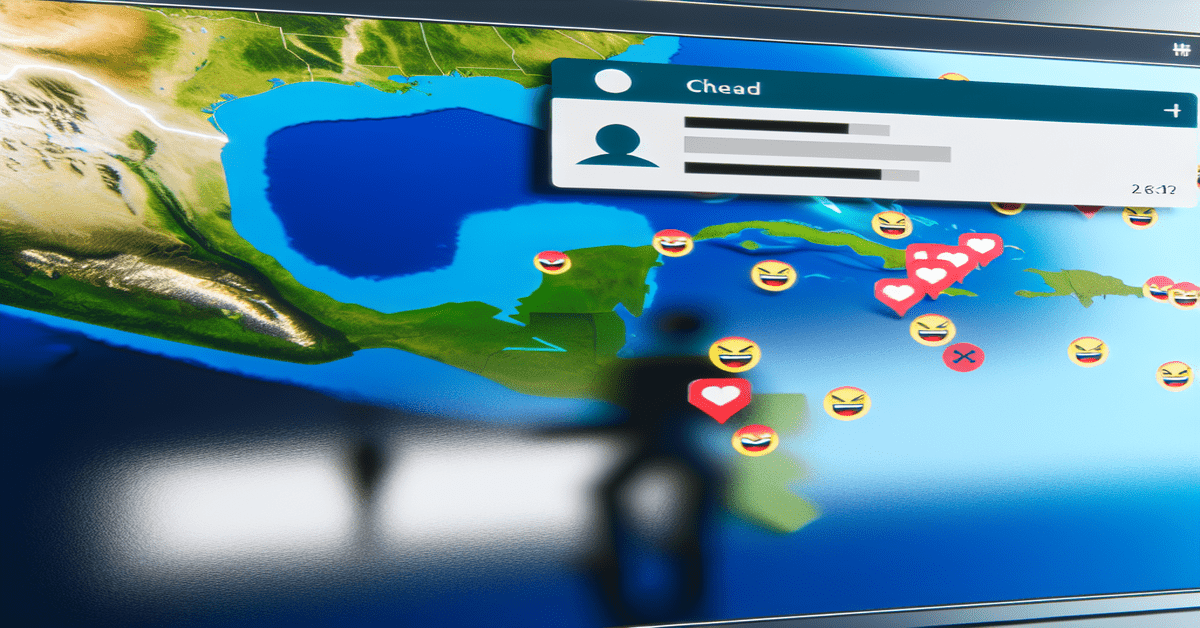
The renaming of the Gulf of Mexico to the “Gulf of America” took many by surprise. Users who relied on Google Maps for navigation and geographical information were quick to notice the alteration. As the news spread, people took to the review sections on Google Maps to voice their dissatisfaction and confusion.
Comments ranged from humorous jabs to irate remarks, with users questioning the legitimacy and accuracy of the name change. Some speculated that the renaming was politically motivated, while others simply expressed their disbelief at such a glaring error.
The Importance of Accuracy in Mapping Services
This incident serves as a reminder of the crucial role that mapping services play in our daily lives. From navigation to research, millions of people rely on platforms like Google Maps for accurate and up-to-date information. Any discrepancies or errors, whether intentional or accidental, can have significant consequences.
In the case of the Gulf of Mexico, the renaming not only caused confusion but also sparked concerns about the reliability of the information provided by Google Maps. Users expect mapping services to maintain a high level of precision and consistency, and any deviations from established geographical names can erode trust in the platform.
The Power of User Feedback
One of the most remarkable aspects of this controversy was the swift and vocal response from Google Maps users. The review sections became a platform for people to express their opinions and demand accountability from the company.
This incident highlights the growing influence of user feedback in shaping the digital landscape. In an era where information is easily accessible and widely shared, companies like Google must be responsive to the concerns and criticisms of their users. The ability to leave reviews and comments empowers individuals to hold technology giants accountable for their actions and ensures that any missteps are quickly addressed.
Google’s Response and Resolution
To its credit, Google was quick to acknowledge the error and take corrective action. The company clarified that the renaming of the Gulf of Mexico was indeed a mistake and not an intentional change. They promptly reverted the name back to its original and widely recognized designation, putting an end to the controversy.
Google’s swift response demonstrates the importance of transparency and communication in managing such incidents. By openly admitting to the error and taking immediate steps to rectify it, the company was able to mitigate the potential damage to its reputation and maintain the trust of its users.
Lessons Learned and Future Implications
The Google Maps controversy surrounding the Gulf of Mexico renaming offers valuable lessons for both technology companies and users alike. For companies, it emphasizes the need for robust quality control measures and the importance of being responsive to user feedback. In an age where information spreads rapidly, any mistakes or inconsistencies can quickly escalate into major issues.
For users, this incident serves as a reminder of the power they hold in shaping the digital services they rely on. By actively engaging with platforms, providing feedback, and holding companies accountable, users can drive positive change and ensure that their needs and concerns are addressed.
Looking ahead, it is clear that mapping services will continue to play a vital role in our lives. As technology advances and our reliance on digital platforms grows, the importance of accuracy, reliability, and user trust will only become more critical. The Gulf of Mexico renaming controversy may have been a brief hiccup, but it has undoubtedly sparked important conversations about the responsibilities of technology companies and the role of users in the digital age.
As we navigate this ever-evolving landscape, it is crucial that we remain vigilant, informed, and engaged. By working together – companies and users alike – we can ensure that the tools and services we rely on remain accurate, trustworthy, and responsive to our needs.
#GoogleMaps #GulfOfMexico #UserFeedback
-> Original article and inspiration provided by ReviewAgent.ai
-> Connect with one of our AI Strategists today at ReviewAgent.ai
