
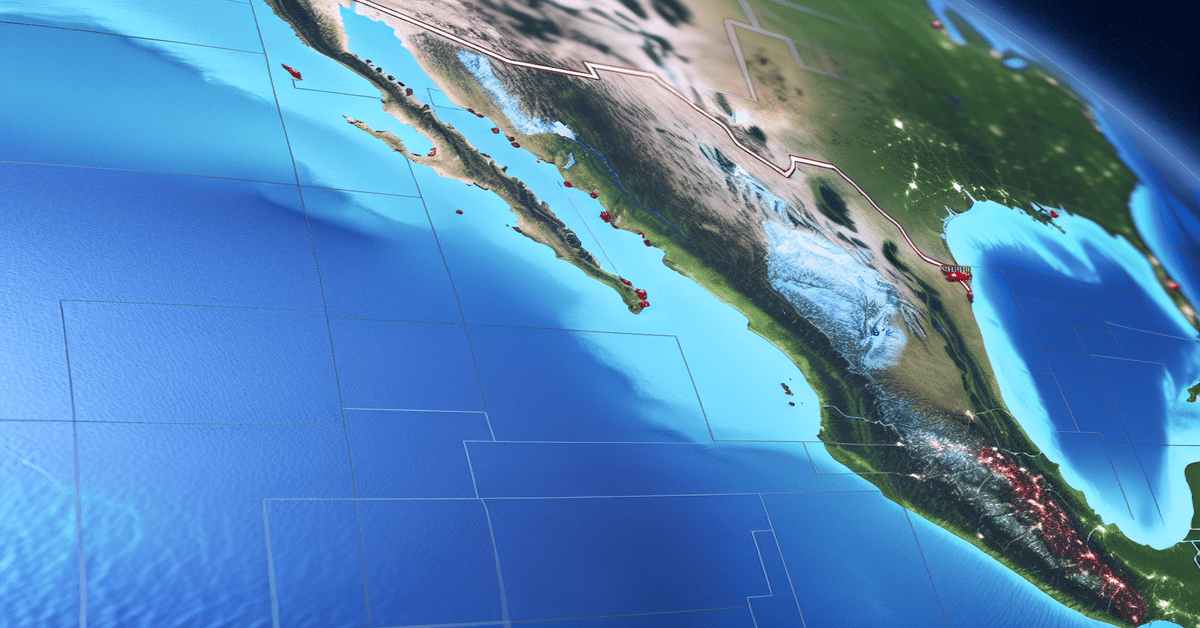
Google Maps Sparks Controversy with “Gulf of America” Renaming
In a surprising move that has raised eyebrows and sparked debate, Google Maps has recently changed the name of the body of water known as the “Gulf of Mexico” to the “Gulf of America” for users in the United States. This alteration has caught the attention of many, as it strays from the widely recognized and historically established name for this region.
The Gulf of Mexico, a large body of water bordered by the United States, Mexico, and Cuba, has been known by its current name for centuries. The name itself reflects the geographic location and the countries that surround it, particularly Mexico, which shares the longest coastline along the gulf.
Reasons Behind the Renaming
While Google has not provided an official statement regarding the reasons behind this change, speculation is rife among users and industry experts. Some believe that the renaming could be an attempt to Americanize the feature, emphasizing the United States’ presence in the region. Others suggest that it might be a move to simplify the naming convention for American users.
However, critics argue that this change disregards the historical and cultural significance of the name “Gulf of Mexico.” The renaming could be seen as a form of geographical revisionism, erasing the importance of Mexico’s relationship with the gulf and its role in shaping the region’s identity.
Implications and User Reactions
The renaming of the Gulf of Mexico to the Gulf of America on Google Maps has several potential implications. Firstly, it may lead to confusion among users who are accustomed to the traditional name. This change could also impact educational resources, as students and researchers might encounter inconsistencies when referring to the body of water.
Moreover, the alteration has sparked a heated debate on social media platforms, with users expressing their opinions on the matter. Some have praised the move, arguing that it better represents the United States’ presence in the region. However, many others have criticized Google for what they perceive as an insensitive and unnecessary change.
A Reflection of Larger Trends
The renaming of the Gulf of Mexico on Google Maps is not an isolated incident. In recent years, there has been a growing trend of companies and organizations making changes to long-established names and terminologies in an effort to be more inclusive or politically correct.
While the intentions behind these changes may be well-meaning, they often face backlash from individuals who argue that such alterations disregard historical context and cultural heritage. The debate surrounding the Gulf of America renaming echoes similar controversies, such as the renaming of streets, landmarks, and even sports teams.
Looking Ahead
As the discussion surrounding the Gulf of America continues to unfold, it remains to be seen how Google will respond to the criticism and whether they will revert the change. This incident serves as a reminder of the power and influence that digital platforms like Google Maps have in shaping our understanding and perception of the world around us.
It also highlights the need for companies to carefully consider the implications and potential consequences of their decisions, particularly when it comes to altering names and terminologies that have deep historical and cultural roots.
Engaging the Industry
The renaming of the Gulf of Mexico on Google Maps presents an opportunity for professionals in the technology, geography, and cultural heritage sectors to engage in meaningful discussions. It raises important questions about the role of digital platforms in shaping our understanding of the world and the responsibility they have in preserving historical and cultural accuracy.
Industry experts can contribute to the conversation by sharing their insights on the implications of such changes and exploring potential solutions. This could include the development of guidelines or best practices for digital platforms when it comes to handling historically and culturally significant names and terminologies.
Furthermore, this incident highlights the importance of collaboration between technology companies and experts in fields such as geography, history, and cultural studies. By working together, they can ensure that digital platforms like Google Maps provide accurate and culturally sensitive information to users.
Conclusion
The renaming of the Gulf of Mexico to the Gulf of America on Google Maps has sparked a thought-provoking discussion about the power and responsibility of digital platforms in shaping our understanding of the world. While the reasons behind this change remain unclear, it has highlighted the importance of considering the historical and cultural significance of names and terminologies.
As the debate continues, it presents an opportunity for industry professionals to engage in meaningful conversations and explore ways to ensure that digital platforms provide accurate and culturally sensitive information. By working together and considering the implications of such changes, we can strive towards a more informed and respectful digital landscape.
What are your thoughts on the renaming of the Gulf of Mexico on Google Maps? Do you believe it is an appropriate change or does it disregard important historical and cultural factors? Share your opinions in the comments below and let’s continue this important conversation.
#GoogleMaps #GulfOfAmerica #GeographicalRevisionism
-> Original article and inspiration provided by ReviewAgent.ai
-> Connect with one of our AI Strategists today at ReviewAgent.ai