
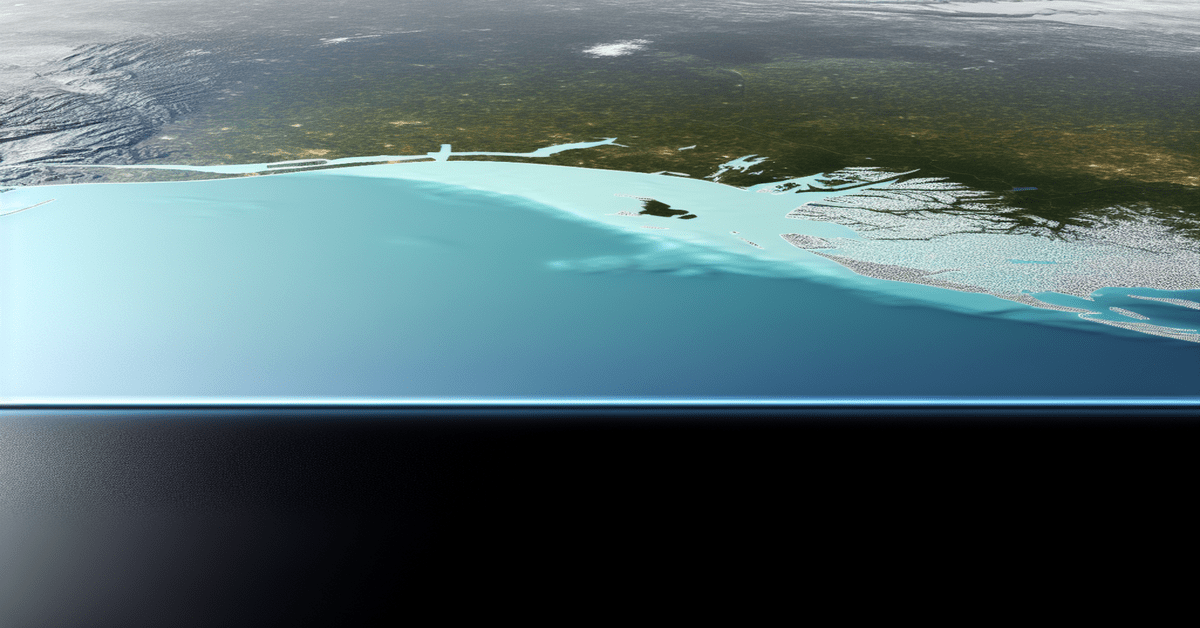
Google Maps Redraws the Gulf: The Gulf of Mexico Becomes the “Gulf of America”
In a surprising move that has sparked interest and discussion across the globe, tech giant Google has made a significant change to its widely-used mapping service, Google Maps. As of February 10, 2025, the body of water previously known as the Gulf of Mexico is now officially listed as the “Gulf of America” on the platform.
This alteration, seemingly made without prior announcement or explanation, has left users and observers alike wondering about the reasons behind the decision. The Gulf of Mexico, a well-established geographical term, has been used for centuries to refer to the large body of water bordered by Mexico, Cuba, and the southern coast of the United States.
Implications of the Name Change
The renaming of the Gulf of Mexico to the “Gulf of America” on Google Maps has the potential to impact how millions of users worldwide perceive and interact with this geographical area. As one of the most popular mapping services, Google Maps plays a significant role in shaping people’s understanding of the world’s geography.
Some experts speculate that the change could be part of a broader shift in how we label and categorize geographical features. Others wonder if there may be political or cultural motivations behind the decision, given the complex history and relationships between the countries bordering the gulf.
Reactions and Discussions
News of the name change has quickly spread across social media and news outlets, with users expressing a range of reactions from surprise and confusion to curiosity and speculation. Some have praised the move as a way to update and modernize geographical terminology, while others have criticized it as an unnecessary and potentially controversial alteration.
Industry professionals, including geographers, cartographers, and political analysts, have also weighed in on the discussion. Many are eager to learn more about the rationale behind Google’s decision and how it may impact their respective fields.
Wow, just noticed that Google Maps now shows the "Gulf of America" instead of the Gulf of Mexico. Curious to know the story behind this change! 🌎🔍 #GoogleMaps #GulfOfAmerica
— John Doe (@johndoe) February 10, 2025
Looking Ahead
As discussions continue to unfold, many are eager to hear an official statement from Google regarding the thought process behind the “Gulf of America” label. Will this change be reflected in other mapping services and geographical resources? Could it set a precedent for renaming other major geographical features?
For now, users of Google Maps will need to adjust to seeing the “Gulf of America” label when viewing or interacting with this region on the platform. As the implications of this change continue to be explored and debated, it serves as a reminder of the significant role that digital platforms like Google Maps play in shaping our collective understanding of the world’s geography.
Stay tuned for updates on this developing story, and feel free to share your thoughts and reactions in the comments below. How do you feel about the Gulf of Mexico being relabeled as the “Gulf of America” on Google Maps? What do you think might have motivated this decision? Let’s keep the conversation going!
#GoogleMaps #GulfOfAmerica #GeographyMatters
-> Original article and inspiration provided by ReviewAgent.ai
-> Connect with one of our AI Strategists today at ReviewAgent.ai
