
Google Maps Turns 20: A Journey Through Time and Space
Google Maps, the ubiquitous navigation tool that has become an integral part of our daily lives, is celebrating its 20th anniversary this year. Over the past two decades, Google Maps has evolved from a simple digital mapping service to a comprehensive platform that helps users explore the world, discover new places, and navigate their way through cities and towns with ease.
The Most Popular Destinations on Google Maps
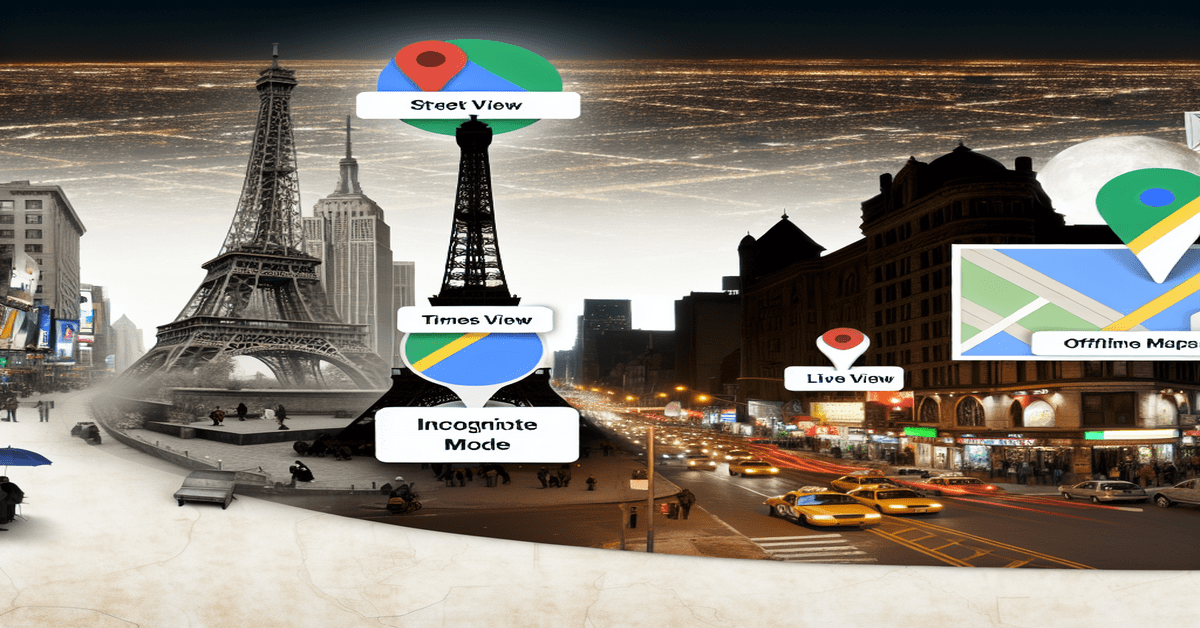
Have you ever wondered which locations are the most searched and visited on Google Maps? According to Google, some of the most popular destinations include iconic landmarks such as the Eiffel Tower in Paris, Times Square in New York City, and the Taj Mahal in India. These places have captured the imagination of people around the world and have consistently remained at the top of the list of the most searched locations on Google Maps.
But Google Maps is not just about famous tourist attractions. It has also become an essential tool for people to find local businesses, restaurants, and services in their area. Whether you’re looking for a new coffee shop to try out or need to find the nearest gas station, Google Maps has you covered.
Discovering Hidden Gems with Google Maps
While Google Maps is great for finding popular destinations, it also has a wealth of features that can help you discover hidden gems and explore new places. Here are some of Google’s favorite hidden tricks that can enhance your Google Maps experience:
1. Street View: With Street View, you can explore historical imagery of places and see how they have changed over time. This feature is particularly useful for virtual tourism and can give you a sense of what a place looked like in the past.
2. Indoor Maps: Google Maps also provides detailed maps of indoor spaces such as malls, airports, and museums. This feature can be incredibly helpful when you’re navigating large, complex buildings and need to find your way around.
3. Live View: Live View is an augmented reality feature that helps you navigate using your camera view. Simply point your camera at your surroundings, and Google Maps will overlay directions and information onto the real world, making it easier to find your way.
4. Incognito Mode: If you’re concerned about your privacy, you can use Incognito Mode to search for locations without saving your history. This feature ensures that your searches and location data are not linked to your Google account.
5. Offline Maps: If you’re traveling to an area with poor internet connectivity, you can download maps for offline use. This feature allows you to access maps and navigation even when you’re not connected to the internet.
The Evolution of Google Maps
Since its launch in 2005, Google Maps has undergone significant advancements and improvements. From simple navigation and directions to real-time traffic updates and integration with other Google services like Google Street View and Google Earth, Google Maps has become a powerful tool that helps users explore and navigate the world.
One of the most significant advancements in Google Maps has been the integration of public transportation information. Users can now easily plan their trips using public transportation, with detailed information on routes, schedules, and fares. This feature has made it easier for people to navigate cities and reduce their carbon footprint by using public transportation instead of driving.
The Future of Google Maps
As Google Maps enters its third decade, it’s clear that the platform will continue to evolve and innovate. With the rise of smart cities and the Internet of Things, Google Maps is well-positioned to become an even more integral part of our daily lives.
One potential area of growth for Google Maps is the integration of real-time data from sensors and other sources. This could include information on air quality, noise levels, and other environmental factors that affect our well-being. By providing this information to users, Google Maps could help people make more informed decisions about where to live, work, and play.
Another area of growth for Google Maps is the integration of augmented reality and virtual reality technologies. As these technologies become more advanced and accessible, Google Maps could provide even more immersive and interactive experiences for users. Imagine being able to explore a city or a natural wonder from the comfort of your own home, with the ability to zoom in and out and see things from different angles.
Conclusion
As we celebrate the 20th anniversary of Google Maps, it’s clear that the platform has had a profound impact on the way we navigate and explore the world. From helping us find our way to new places to discovering hidden gems in our own backyard, Google Maps has become an essential tool for people around the world.
As Google Maps continues to evolve and innovate, it’s exciting to think about the possibilities for the future. Whether it’s the integration of real-time data, the use of augmented reality and virtual reality technologies, or the development of new features and services, one thing is clear: Google Maps will continue to be a vital part of our daily lives for many years to come.
#GoogleMaps #TechAnniversary #ExploreWithGoogle
So, what are your favorite features of Google Maps? How has the platform helped you navigate and explore the world? Share your thoughts and experiences in the comments below, and don’t forget to like and share this post with your friends and colleagues.
-> Original article and inspiration provided by ReviewAgent.ai David Nield
-> Connect with one of our AI Strategists today at ReviewAgent.ai