
The Perils of Overreliance on Navigation Apps: A Cautionary Tale
In today’s fast-paced, technology-driven world, it’s easy to become overly dependent on the convenience and guidance provided by navigation apps like Google Maps. However, a recent incident in Vietnam serves as a stark reminder of the potential dangers of blindly following these digital directions without applying common sense and situational awareness.
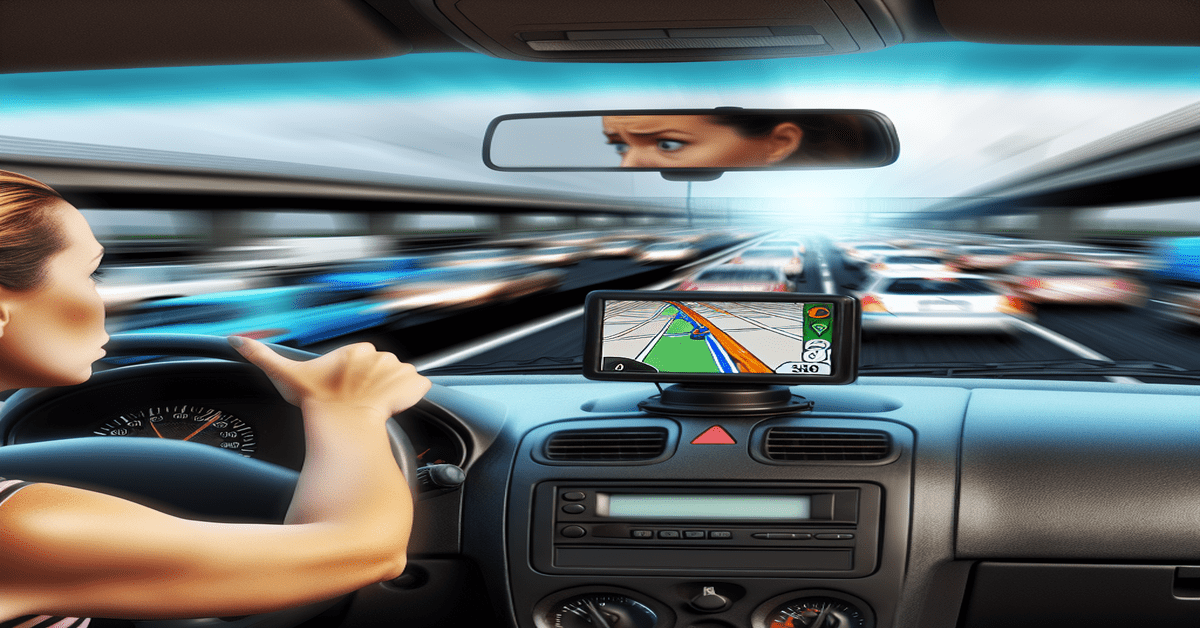
According to a report from VnExpress, a woman found herself driving in the wrong direction on a major expressway, causing confusion and concern among fellow motorists. When questioned by authorities about her dangerous behavior, she simply stated that she was following the instructions provided by Google Maps.
The Incident: A Closer Look
The unnamed woman had been navigating the expressway when she inadvertently entered the wrong lane, leading her to travel against the flow of traffic. Miraculously, no accidents or injuries were reported as a result of her error. However, the incident highlights a growing problem among drivers who rely too heavily on navigation apps without exercising proper judgment.
While the woman’s identity remains undisclosed, her story has sparked a heated debate within the community about the role of personal responsibility when using these technologies. Many argue that drivers must remain alert and attentive at all times, regardless of the information provided by their GPS or mapping service.
The Risks of Overreliance on Technology
This incident is not an isolated case; similar stories have emerged from around the globe, highlighting the potential risks associated with an overreliance on navigation apps. While these tools can be incredibly useful for getting from point A to point B, they are not infallible and can sometimes provide inaccurate or misleading information.
Some common issues that can arise when depending too heavily on navigation apps include:
1. Outdated or incomplete maps: Navigation apps rely on digital maps that may not always reflect the most current road conditions, construction projects, or traffic patterns.
2. Misinterpretation of directions: The algorithms used by these apps can sometimes provide confusing or ambiguous instructions, leading drivers to make mistakes or take unnecessary risks.
3. Distracted driving: Constantly glancing at a smartphone or GPS device while behind the wheel can take a driver’s attention away from the road, increasing the likelihood of accidents.
4. Lack of situational awareness: When drivers become too focused on following the app’s directions, they may fail to notice important cues from their surroundings, such as road signs, traffic signals, or other vehicles.
The Importance of Driver Responsibility
While navigation apps can be incredibly helpful tools, it is crucial for drivers to remember that they are ultimately responsible for their own safety and the safety of others on the road. This means always remaining vigilant, using common sense, and being prepared to adapt to changing conditions or unexpected situations.
Some tips for maintaining driver responsibility while using navigation apps include:
1. Familiarize yourself with the route before setting out, rather than relying solely on the app’s real-time directions.
2. Keep your eyes on the road and minimize glances at your device, using audio cues whenever possible.
3. Trust your instincts and don’t be afraid to deviate from the app’s suggestions if something doesn’t feel right or safe.
4. Stay alert to your surroundings and be prepared to react to unexpected obstacles or changes in traffic patterns.
The Future of Navigation Technology
As our dependence on technology continues to grow, it’s clear that navigation apps will play an increasingly important role in our daily lives. However, this incident serves as a powerful reminder that these tools are not a substitute for human judgment and common sense.
Moving forward, it will be essential for developers and tech companies to prioritize user safety and education when designing and marketing these applications. This may involve incorporating more robust error-checking mechanisms, providing clearer instructions and warnings, and actively encouraging users to maintain situational awareness while driving.
At the same time, it is up to individual drivers to take responsibility for their own actions and decisions behind the wheel. By finding a healthy balance between the convenience of technology and the importance of personal accountability, we can work together to create a safer, more efficient transportation system for everyone.
The Bottom Line
The story of the woman who blamed Google Maps for her dangerous driving serves as a powerful cautionary tale about the risks of overreliance on navigation apps. While these tools can be incredibly useful, they are not a substitute for common sense, situational awareness, and personal responsibility.
As we continue to navigate the increasingly complex world of transportation technology, it is crucial that we prioritize safety and education at every turn. By working together to find a healthy balance between innovation and accountability, we can create a future in which navigation apps enhance our lives without putting ourselves or others at risk.
So the next time you find yourself behind the wheel, remember: trust your instincts, stay alert, and always put safety first – no matter what your GPS might say.
#NavigationApps #DriverResponsibility #RoadSafety
-> Original article and inspiration provided by VnExpress
-> Connect with one of our AI Strategists today at ReviewAgent.ai