
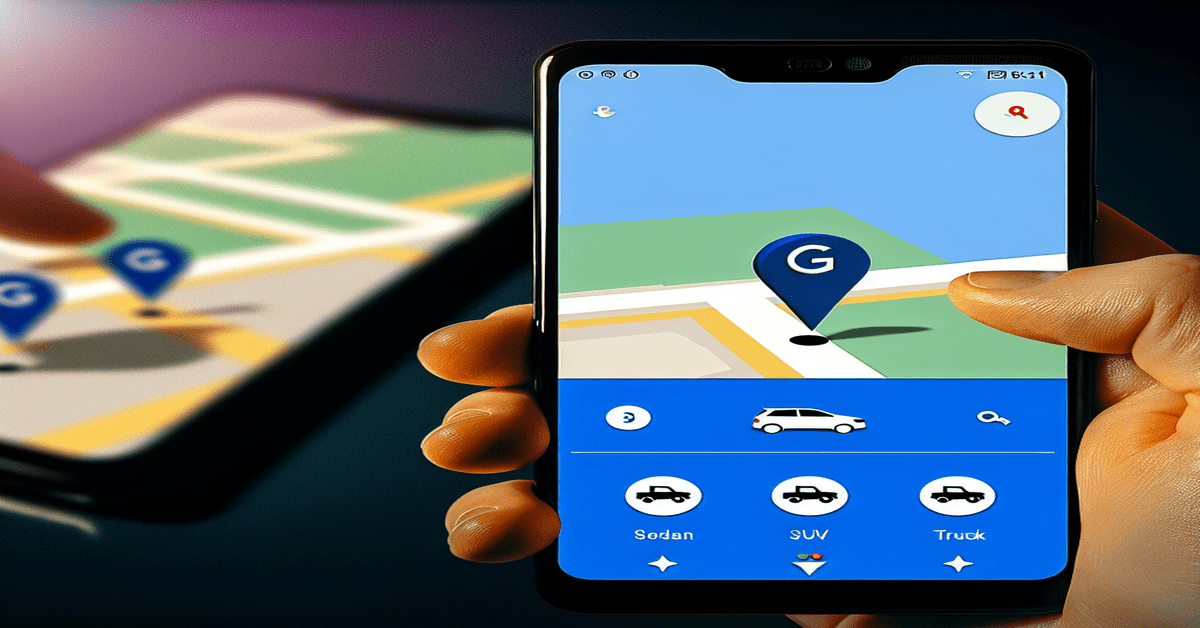
Google Maps Unveils Car Icon Customization: A New Era of Personalized Navigation
In an exciting development for Android users, Google Maps has introduced a new feature that allows users to customize the virtual icon of their car on the map. This update, which is currently rolling out to Android devices, aims to make the navigation experience more personalized and engaging for users.
With this new customization option, users will no longer be limited to the default blue dot that represents their vehicle on the map. Instead, they can choose from a variety of car icons, such as a sedan, SUV, or truck, to better reflect their actual vehicle or personal preferences. This small but significant change adds a touch of fun and individuality to the navigation experience, making it more enjoyable and interactive.
Accessing the Customization Feature
To access this new feature, Android users can simply tap on their profile picture or initial located in the top right corner of the Google Maps app. From there, they should select “Turn on Live View” and then choose their preferred vehicle icon from the available options. The process is straightforward and user-friendly, allowing users to quickly personalize their navigation experience.
Enhancing User Engagement
Google Maps has long been a go-to app for navigation, providing users with accurate and reliable directions to their destinations. However, with the introduction of car icon customization, Google is taking a step further in enhancing user engagement and making the app more interactive.
By offering users the ability to personalize their vehicle icon, Google Maps is tapping into the growing trend of customization and self-expression in digital experiences. In today’s world, users increasingly seek ways to make their digital interactions more reflective of their individual tastes and preferences. This update aligns perfectly with that desire, allowing users to express themselves and connect with the app on a more personal level.
Implications for the Industry
The introduction of car icon customization in Google Maps may seem like a small update, but it holds significant implications for the industry. As one of the most widely used navigation apps, Google Maps sets the standard for what users expect in terms of features and functionality. By introducing this personalization option, Google is signaling a shift towards a more user-centric approach in navigation app design.
Other navigation app providers may soon follow suit, recognizing the importance of offering customization options to enhance user engagement and loyalty. This trend could lead to a wave of innovation in the industry, with companies competing to provide the most personalized and interactive navigation experiences to their users.
Future Expansion and Possibilities
While the car icon customization feature is currently only available to Android users, it is expected to roll out to iOS devices in the future. This expansion will allow even more users to enjoy the benefits of personalized navigation and further solidify Google Maps’ position as a leader in the navigation app market.
Moreover, the introduction of car icon customization opens up a world of possibilities for future updates and enhancements. Google could potentially expand the range of available vehicle icons, allowing users to choose from a wider variety of car models or even other modes of transportation, such as motorcycles or bicycles. They could also introduce seasonal or themed icons, adding a fun and timely element to the navigation experience.
Conclusion
Google Maps’ new car icon customization feature may seem like a small update, but it represents a significant step towards a more personalized and engaging navigation experience. By allowing users to express themselves and connect with the app on a more personal level, Google is setting the stage for a new era of user-centric navigation app design.
As the feature rolls out to more users and potentially expands to include additional customization options, it will be exciting to see how it evolves and influences the industry as a whole. One thing is for sure: Google Maps’ car icon customization is just the beginning of a more personalized and interactive future in navigation technology.
So, Android users, head over to your Google Maps app and start customizing your car icon today! Share your favorite vehicle choices in the comments below and let us know how this new feature enhances your navigation experience. Don’t forget to like and share this post to spread the word about this exciting update!
#GoogleMaps #CarIconCustomization #PersonalizedNavigation #AndroidUpdate
-> Original article and inspiration provided by Tim Marcin
-> Connect with one of our AI Strategists today at ReviewAgent.ai
