
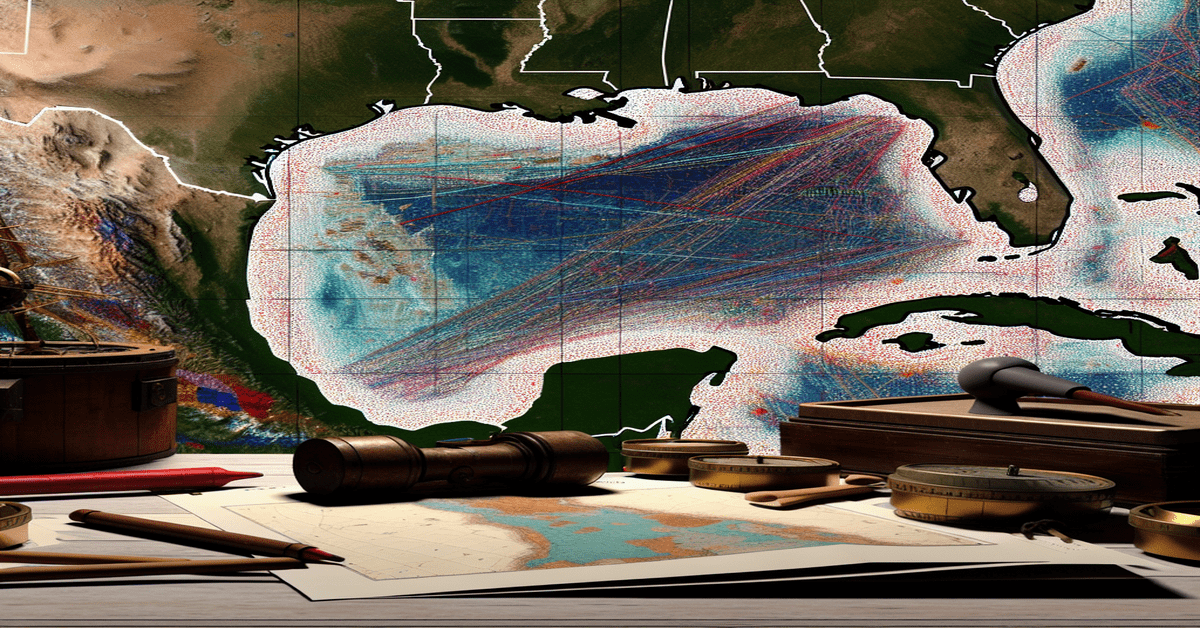
Navigating Controversial Geography: Google Maps and the Gulf of Mexico
In an increasingly connected world, digital mapping services like Google Maps have become indispensable tools for navigation, exploration, and understanding our surroundings. However, creating a global mapping platform is not without its challenges, particularly when it comes to representing areas with complex geopolitical sensitivities. The Gulf of Mexico serves as a prime example of how Google Maps navigates these intricate issues to provide an accurate and culturally respectful user experience.
The Geopolitical Landscape
The Gulf of Mexico, a body of water bordered by the United States, Mexico, and Cuba, is a region with a rich history and diverse cultural identities. As a result, the way in which this geographical feature is named and represented can vary significantly depending on the country and even the specific region within a country. For instance, while Mexico refers to it as the “Gulf of Mexico,” some parts of the United States prefer “Gulf of Mexico,” and others might use more localized names like “Gulf Coast.”
Google Maps faces the challenge of balancing these different perspectives while maintaining a consistent and accurate mapping service. The company must take into account not only the official names recognized by governments but also the **local naming conventions** and cultural sensitivities of the users in each region.
Algorithmic Decision-Making
To tackle this complex issue, Google relies on advanced algorithms that consider a wide range of factors when determining which names to display on its maps. These algorithms take into account user feedback, local laws, and international mapping standards to ensure that the information presented is both accurate and respectful of regional differences.
User feedback plays a crucial role in this process, as it allows Google to gather valuable insights into how people in different areas refer to and interact with geographical features. By actively seeking and incorporating user input, Google Maps can continually refine its representation of the world to better reflect the diverse perspectives of its users.
Balancing Global Consistency and Local Relevance
One of the key challenges faced by Google Maps is striking a balance between maintaining a globally consistent mapping platform and respecting the unique cultural identities of different regions. While there is a need for standardization to ensure that users can effectively navigate and communicate across borders, there is also a responsibility to acknowledge and represent the **local names and meanings** attached to geographical features.
In the case of the Gulf of Mexico, Google Maps must weigh the importance of using a widely recognized name like “Gulf of Mexico” against the potential for offending or alienating users in certain regions who may prefer alternative names. By employing a nuanced approach that takes into account the specific context and location of each user, Google can provide a more culturally sensitive and relevant mapping experience.
The Role of Historical Context
Another crucial aspect of representing controversial geography on Google Maps is acknowledging the historical context that shapes how different regions perceive and relate to geographical features. The names and borders associated with the Gulf of Mexico, for example, are not merely neutral labels but are often tied to complex histories of colonization, conflict, and cultural identity.
By recognizing and respecting these historical narratives, Google Maps can play a role in promoting understanding and dialogue between different communities. While the platform may not be able to resolve underlying geopolitical tensions, it can strive to provide an accurate and inclusive representation of the world that acknowledges the diverse perspectives and experiences of its users.
Looking to the Future
As Google Maps continues to evolve and expand its coverage of the world, the challenge of navigating controversial geography will only become more complex. With the rise of user-generated content and the increasing importance of local knowledge, the platform will need to find new ways to incorporate diverse perspectives while maintaining its commitment to accuracy and neutrality.
One potential approach is to provide users with more context and information about the names and borders represented on the map. By offering historical background, alternative names, and insights into local customs and traditions, Google Maps can help users develop a deeper understanding of the regions they are exploring and the cultural significance of the geographical features they encounter.
Another important step is to continue engaging with local communities and stakeholders to ensure that their voices are heard and their perspectives are accurately represented. By fostering ongoing dialogue and collaboration, Google Maps can work towards building a more inclusive and culturally sensitive mapping platform that serves the needs of users around the world.
Conclusion
The case of the Gulf of Mexico highlights the complex challenges involved in representing controversial geography on digital mapping platforms like Google Maps. By leveraging advanced algorithms, user feedback, and a nuanced understanding of local contexts, Google strives to provide an accurate and culturally respectful mapping experience that navigates the tensions between global consistency and regional diversity.
As we move forward into an increasingly interconnected world, it is crucial that we continue to explore new ways of representing and engaging with the complex tapestry of cultures, histories, and perspectives that shape our understanding of the world around us. By doing so, we can build a more inclusive and empathetic global community, one map at a time.
#GoogleMaps #CulturalSensitivity #GulfofMexico
-> Original article and inspiration provided by Deutsche Welle (DW)
-> Connect with one of our AI Strategists today at ReviewAgent.ai