
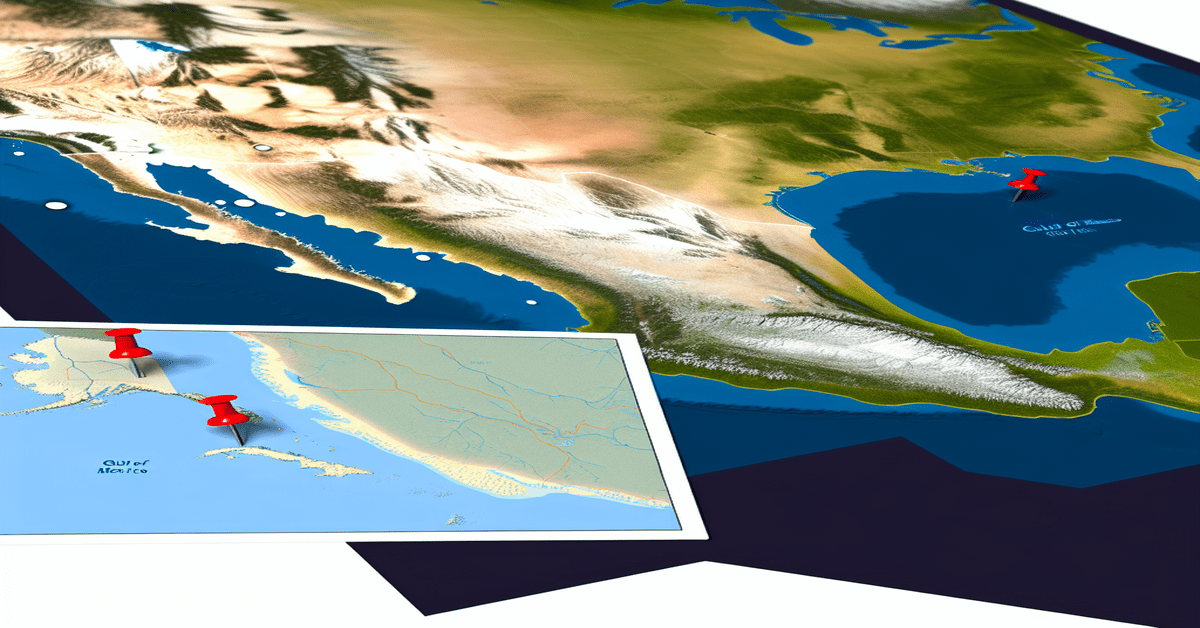
The Gulf of Mexico Naming Controversy: Separating Fact from Fiction
In recent days, a curious claim has been making the rounds on social media, suggesting that tech giants Google and Apple have renamed the Gulf of Mexico to the “Gulf of America” on their respective mapping platforms. This alleged change was purportedly made in response to an order from former U.S. President Donald Trump. However, upon closer examination, it becomes clear that this assertion is nothing more than a baseless rumor.
The Persistence of Misinformation
The spread of misinformation has become an increasingly prevalent issue in the digital age. With the ease of sharing content on social media platforms, false claims can gain traction rapidly, leading to confusion and misunderstanding among the public. The Gulf of Mexico naming controversy serves as a prime example of how unverified information can circulate widely, despite lacking any factual basis.
Investigating the Claims
To separate fact from fiction, it is crucial to investigate the claims surrounding the supposed renaming of the Gulf of Mexico. A thorough search of official statements, press releases, and executive orders from the Trump administration reveals no evidence of any directive to alter the name of this body of water. Furthermore, a quick glance at both Google Maps and Apple Maps confirms that the gulf is still labeled as the “Gulf of Mexico,” with no mention of the “Gulf of America.”
The Importance of Official Naming Conventions
Geographical naming conventions play a vital role in maintaining consistency and clarity across various platforms, including digital maps. These standards are typically established by official bodies, such as the United States Board on Geographic Names (BGN) in the United States. Map services like Google and Apple adhere to these official naming conventions to ensure accuracy and avoid confusion.
The Mount Denali Precedent
The article draws a comparison between the Gulf of Mexico situation and the renaming of Alaska’s Mount McKinley to its original Native Alaskan name, Mount Denali. In 2015, the U.S. Department of the Interior officially recognized the name change, and both Google and Apple promptly updated their maps to reflect the new designation. This example highlights the importance of official channels in implementing geographical name changes and how map services respond accordingly.
The Role of Map Services
Google and Apple, as leading providers of digital mapping services, have a responsibility to maintain accurate and up-to-date information for their users. These companies invest significant resources in ensuring that their maps reflect official geographical naming conventions and changes. The absence of any alteration to the name of the Gulf of Mexico on these platforms further reinforces the lack of credibility in the claims surrounding the supposed renaming.
Lessons Learned
The Gulf of Mexico naming controversy serves as a reminder of the importance of critical thinking and fact-checking in the face of unverified claims. In an era where information can spread rapidly through social media, it is crucial to approach sensational assertions with a healthy dose of skepticism. By taking the time to investigate the facts and relying on official sources, we can combat the spread of misinformation and maintain a clear understanding of the world around us.
As professionals in the tech industry, it is our responsibility to promote accuracy and integrity in the digital sphere. By addressing and debunking baseless rumors, we can foster a more informed and discerning online community. Let us continue to prioritize facts over fiction and encourage others to do the same.
Share your thoughts on this topic in the comments below. Have you encountered similar instances of misinformation circulating online? How do you think we can effectively combat the spread of false claims and promote a more fact-based discourse?
Together, we can work towards a more accurate and reliable digital landscape, one that upholds the importance of official naming conventions and resists the allure of sensationalized rumors.
#GulfOfMexico #GoogleMaps #AppleMaps #GeographicalNaming #MountDenali
-> Original article and inspiration provided by Amanda Yeo
-> Connect with one of our AI Strategists today at ReviewAgent.ai
