
TSMC and NVIDIA: A Game-Changing Partnership in the Making
In the fast-paced world of technology, where innovation is the name of the game, two industry giants are on the verge of a collaboration that could reshape the landscape of artificial intelligence (AI) and semiconductor manufacturing. Taiwan Semiconductor Manufacturing Company (TSMC) and NVIDIA Corporation (NVDA) are reportedly in talks to join forces, a move that could have far-reaching implications for the industry and beyond.
TSMC’s Arizona Expansion: Setting the Stage
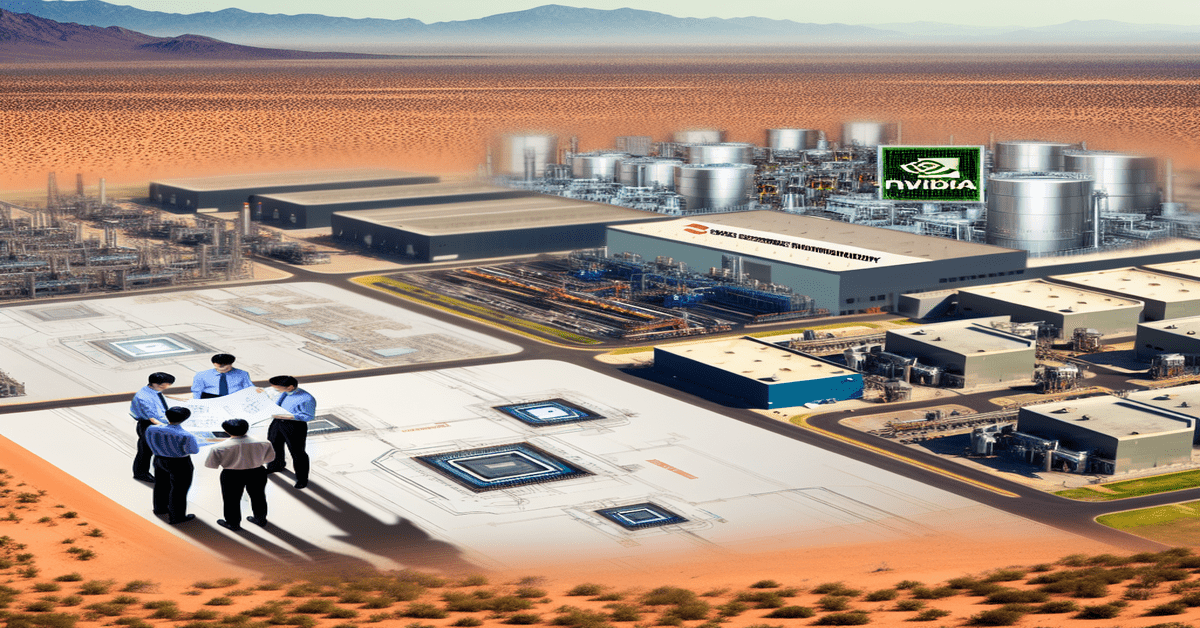
TSMC, the world’s largest contract chipmaker, is no stranger to bold moves. The company is currently constructing a massive $12 billion fab (fabrication plant) in Arizona, with the aim of producing cutting-edge 5-nanometer chips. This expansion is a testament to TSMC’s commitment to staying at the forefront of semiconductor technology and meeting the growing demand for advanced chips.
But the Arizona fab might be just the beginning. Recent reports suggest that TSMC is considering expanding its operations in the state, with a particular focus on producing AI chips for none other than NVIDIA.
NVIDIA: The AI Powerhouse
NVIDIA is a household name in the world of AI and graphics processing units (GPUs). The company’s powerful chips have become the go-to choice for researchers, developers, and businesses looking to harness the potential of AI. From self-driving cars to cutting-edge scientific simulations, NVIDIA’s technology is at the heart of some of the most exciting developments in the field.
A partnership with TSMC could take NVIDIA’s capabilities to new heights. By leveraging TSMC’s **advanced manufacturing processes**, NVIDIA could push the boundaries of what’s possible with AI chips, delivering even more powerful and efficient solutions to its customers.
Geopolitical Implications: Reshaping the Semiconductor Landscape
The potential TSMC-NVIDIA partnership is not just about technological advancements; it also has significant geopolitical implications. In recent years, there has been a growing push to bring critical semiconductor manufacturing back to the United States or its allies, reducing dependence on Asian supply chains.
The COVID-19 pandemic and the ongoing trade tensions between the U.S. and China have only amplified these concerns. A collaboration between TSMC and NVIDIA, with production taking place in Arizona, could be a major step towards achieving greater **supply chain resilience** and securing the future of the semiconductor industry.
Market Impact: A Boost for Both Companies
If the partnership comes to fruition, it could have a significant impact on the market positions of both TSMC and NVIDIA. For TSMC, securing a high-profile client like NVIDIA would further cement its status as the world’s leading contract chipmaker. It would also demonstrate the company’s ability to attract top-tier clients to its new Arizona facility, validating its expansion strategy.
For NVIDIA, having a dedicated production line at TSMC’s Arizona fab could ensure a steady supply of cutting-edge AI chips, giving the company a competitive edge in the rapidly growing AI market. It could also help NVIDIA meet the increasing demand for its products, as more and more industries embrace the potential of AI.
Looking Ahead: A Bright Future for AI and Semiconductors
The potential partnership between TSMC and NVIDIA is a clear indication of the **exciting times ahead** for the AI and semiconductor industries. As technology continues to advance at a breakneck pace, collaborations like this will be essential to driving innovation and pushing the boundaries of what’s possible.
For professionals in these industries, staying informed about developments like the TSMC-NVIDIA partnership is crucial. It’s an opportunity to engage in meaningful discussions, share insights, and explore the implications for their own work and the broader industry landscape.
As we eagerly await further details on this game-changing collaboration, one thing is clear: the future of AI and semiconductors is brighter than ever. With industry leaders like TSMC and NVIDIA leading the charge, we can expect to see groundbreaking advancements that will shape our world in ways we can only imagine.
So, let’s embrace this exciting new chapter and be part of the conversation. Share your thoughts, insights, and predictions in the comments below. Together, we can navigate the ever-evolving landscape of AI and semiconductors, and play our part in shaping the future of these transformative technologies.
#Semiconductors #ArtificialIntelligence #IndustryCollaboration
-> Original article and inspiration provided by Shrilekha Pethe
-> Connect with one of our AI Strategists today at Opahl Technologies
