
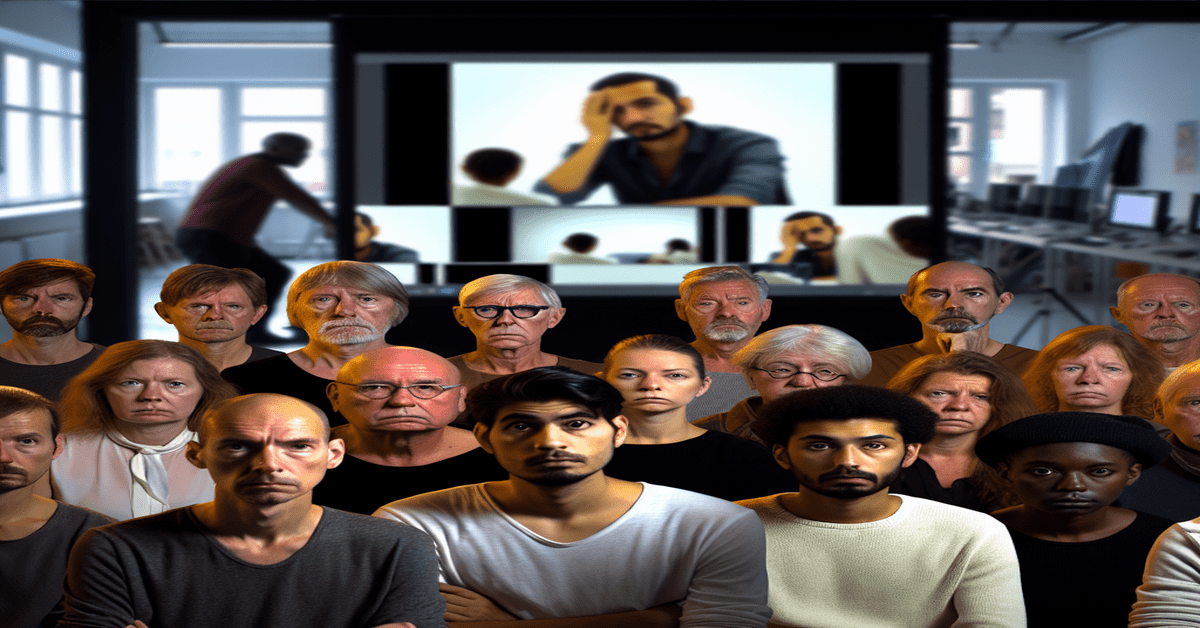
The AI Revolution: Artists Protest OpenAI’s Video Generation Model, Sora
In a shocking turn of events, a group of artists has taken a stand against OpenAI’s latest video generation model, Sora, by leaking access to the model in an act of defiance. This protest highlights the growing concerns among creatives about the potential impact of AI-generated content on their livelihoods and the integrity of their work.
OpenAI, a leading artificial intelligence research laboratory, has been at the forefront of developing cutting-edge AI models like GPT-3 and DALL-E, which have revolutionized natural language processing and image generation. However, the introduction of Sora, an AI model capable of generating high-quality videos, has sparked a heated debate about the future of creative industries in the face of rapidly advancing AI technologies.
Artists’ Concerns and the Leaked Access
The artists involved in the protest against Sora expressed their deep-seated worries about the potential consequences of AI-generated videos on their careers and artistic integrity. They argue that the widespread adoption of AI models like Sora could lead to the displacement of human artists, as businesses and individuals may opt for cheaper, AI-generated content over the work of real creatives.
In an act of defiance, the artists leaked access to Sora, allowing unauthorized users to experiment with the model and create their own AI-generated videos. This move was intended to draw attention to the ethical concerns surrounding AI-generated content and to force OpenAI to confront the issues raised by the creative community.
OpenAI’s Response and the Ethical Debate
In response to the leak, OpenAI quickly paused access to Sora to prevent further unauthorized use. The company acknowledged the concerns raised by the artists and emphasized its commitment to developing AI technologies responsibly and ethically.
The incident has reignited the ongoing ethical debate around AI-generated content and its impact on creative industries. While some argue that AI models like Sora can serve as powerful tools for artists, enabling them to create new forms of expression and explore innovative ideas, others fear that these technologies could ultimately replace human creativity altogether.
The Future of AI and Creative Industries
As AI continues to advance at an unprecedented pace, it is crucial for companies like OpenAI to engage in open and transparent dialogue with the creative community. By working together, artists and AI researchers can explore ways to harness the power of AI while safeguarding the value of human creativity and ensuring that the benefits of these technologies are distributed fairly.
This incident serves as a wake-up call for the tech industry, highlighting the need for a more inclusive and collaborative approach to AI development. It is essential that the concerns of artists and other creatives are heard and addressed as we navigate the complex landscape of AI-generated content.
Key Takeaways
1. The protest by artists against OpenAI’s Sora model underscores the growing tension between AI advancements and the concerns of creatives.
2. The leaked access to Sora was an act of defiance intended to draw attention to the ethical issues surrounding AI-generated content.
3. OpenAI’s response and the ongoing ethical debate highlight the need for responsible and inclusive AI development.
4. The future of AI and creative industries depends on open dialogue and collaboration between artists and AI researchers.
As we move forward into an increasingly AI-driven world, it is imperative that we approach these technologies with a critical eye, considering not only their potential benefits but also their broader societal implications. Only by working together can we ensure that the AI revolution serves the interests of all, fostering innovation while respecting the value of human creativity.
#AIRevolution #ArtistsProtest #EthicalAI #CreativeIndustries
-> Original article and inspiration provided by Nitasha Tiku
-> Connect with one of our AI Strategists today at Opahl Technologies