
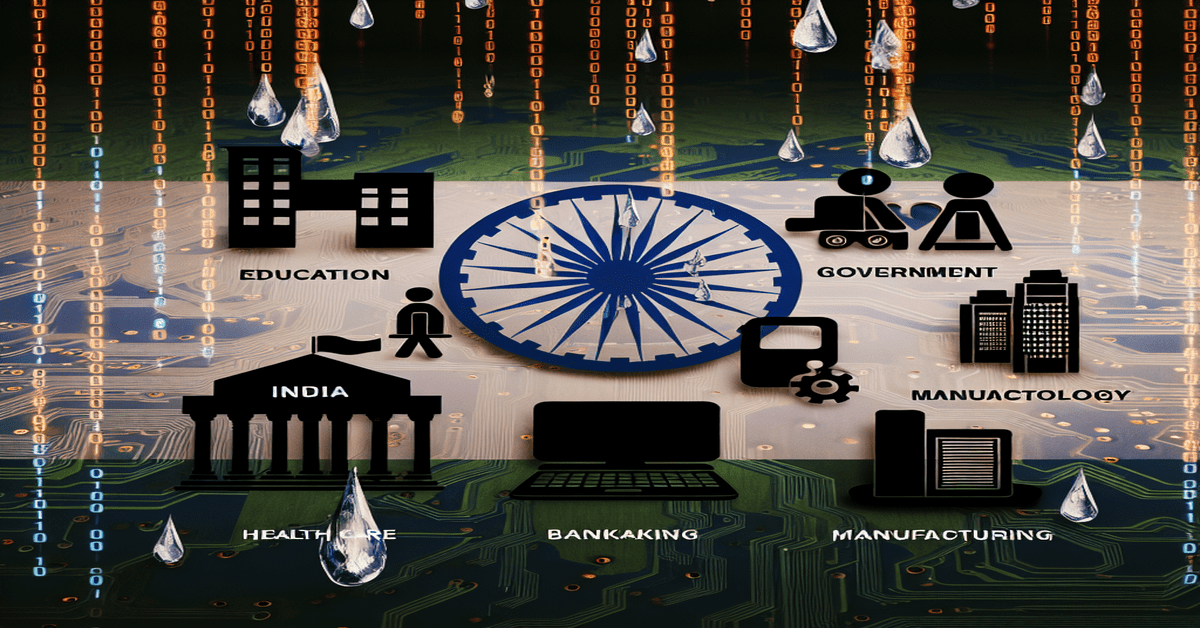
India’s Critical Infrastructure Under Siege: Alarming Spike in Cyberattacks
In an increasingly digital world, the security of a nation’s critical infrastructure is paramount. However, recent reports from India paint a grim picture of the country’s cybersecurity landscape. The first half of 2024 saw an unprecedented surge in cyberattacks targeting India’s vital sectors, with a staggering 593 cases reported. This alarming trend underscores the growing vulnerability of India’s critical infrastructure and the urgent need for robust cybersecurity measures.
Education, Government, and Technology Sectors Bear the Brunt
Among the sectors hit hardest by this wave of cyberattacks were education, government, and technology. These three sectors alone accounted for a significant portion of the reported incidents, with 388 data breaches, 107 data leaks, 39 ransomware group activities, and 59 cases of access sales or leaks.
The targeting of educational institutions is particularly concerning, as these attacks can disrupt learning, compromise sensitive student and faculty data, and erode trust in the education system. Government agencies, entrusted with safeguarding citizens’ personal information and maintaining the smooth functioning of public services, also found themselves in the crosshairs of cybercriminals. The technology sector, a key driver of India’s economic growth, faced its own set of challenges as it grappled with the fallout from these cyberattacks.
No Sector Left Unscathed: Healthcare, Banking, Manufacturing, and Consumer Services Under Attack
While education, government, and technology bore the brunt of the cyberattacks, other critical sectors were not spared. The healthcare industry, already strained by the ongoing pandemic, faced severe attacks that threatened patient privacy and the integrity of medical systems. **Cybercriminals exploited vulnerabilities** in healthcare networks, potentially putting lives at risk.
The banking sector, the backbone of India’s financial system, also found itself under siege. Cyberattacks targeting banks can lead to **massive financial losses**, erosion of customer trust, and destabilization of the economy. Manufacturing, another pillar of India’s economy, faced disruptions as cybercriminals infiltrated industrial control systems and supply chains.
Consumer services, which have become increasingly digitized in recent years, were not immune to the onslaught of cyberattacks. **Breaches in this sector** can result in the theft of personal information, financial data, and other sensitive details, leaving consumers vulnerable to identity theft and fraud.
The Implications for India’s Cybersecurity Landscape
The surge in cyberattacks targeting India’s critical infrastructure has far-reaching implications for the country’s cybersecurity landscape. It highlights the **growing sophistication and boldness of cybercriminals**, who are increasingly targeting high-value targets with potentially devastating consequences.
Moreover, this trend underscores the urgent need for India to invest in robust cybersecurity measures. This includes **strengthening cyber defense capabilities**, fostering a culture of cybersecurity awareness, and collaborating with international partners to combat the global threat of cybercrime.
A Call to Action: Fortifying India’s Cyber Defenses
In light of the alarming spike in cyberattacks, it is imperative that India takes swift and decisive action to fortify its cyber defenses. This requires a multi-pronged approach that involves:
1. **Investing in cutting-edge cybersecurity technologies** and solutions to detect, prevent, and respond to cyber threats.
2. **Developing a skilled cybersecurity workforce** through education, training, and talent development programs.
3. Encouraging **greater collaboration between the public and private sectors** to share threat intelligence and best practices.
4. Strengthening **international cooperation** to combat the global nature of cybercrime.
5. Promoting a **culture of cybersecurity awareness** among individuals and organizations to reduce vulnerabilities and improve cyber hygiene.
By taking these steps, India can build a more resilient and secure digital ecosystem, safeguarding its critical infrastructure and protecting its citizens from the growing threat of cyberattacks.
As we navigate this increasingly complex and treacherous cybersecurity landscape, it is crucial that we remain vigilant, proactive, and united in our efforts to defend against cyber threats. The future of India’s digital economy and national security depends on our ability to rise to this challenge and build a stronger, more secure digital future for all.
#CyberSecurity #CriticalInfrastructure #DataBreach #IndiaCyberAttacks
-> Original article and inspiration provided by darkreading.com
-> Connect with one of our AI Strategists today at Opahl Technologies
