
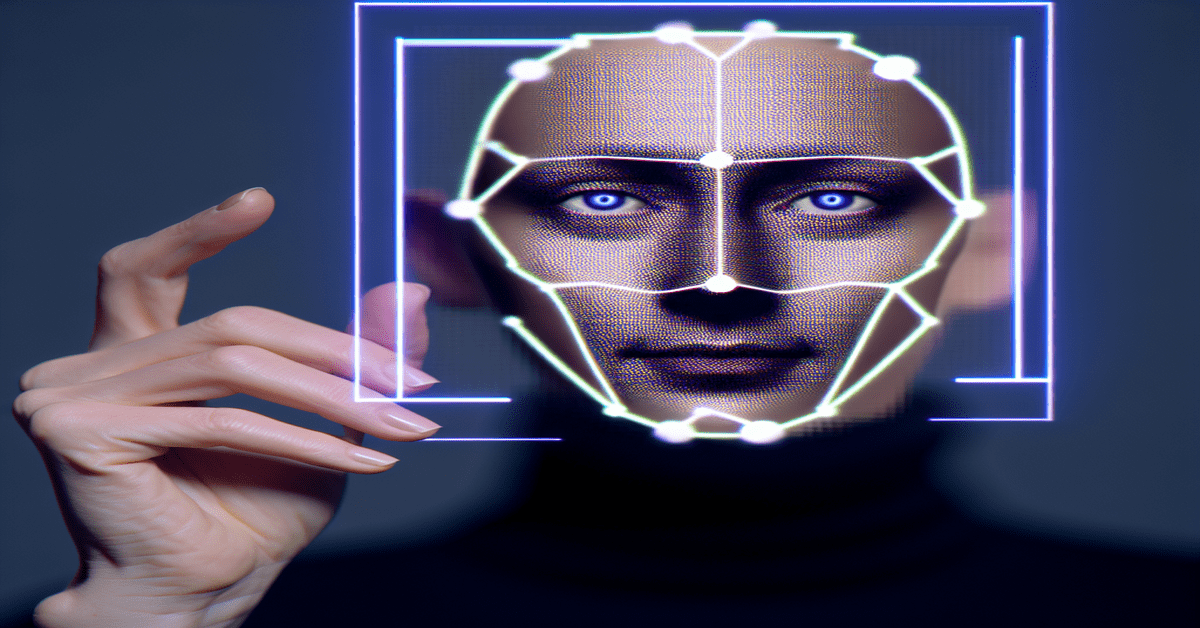
The Rise of AI-Generated Images: Elon Musk’s Groundbreaking Tool and Its Implications
In a world where artificial intelligence (AI) is rapidly advancing, Elon Musk’s latest venture has taken the industry by storm. Developed by X and Grok AI, Musk’s AI photo tool has the remarkable ability to generate highly realistic images of prominent figures, including Donald Trump, Kamala Harris, and Joe Biden. This groundbreaking technology has the potential to revolutionize various fields, but it also raises important questions about the ethical implications and potential misuse of such powerful tools.
The Power of AI-Generated Images
The AI photo tool developed by Musk’s team leverages cutting-edge advancements in artificial intelligence to create images that are nearly indistinguishable from real photographs. By training the AI system on vast amounts of data, including images of public figures, the tool can generate convincing representations of individuals in various poses, settings, and even emotional states.
One of the most impressive aspects of this technology is its ability to capture the nuances and details that make an image appear authentic. From the subtle wrinkles on a person’s face to the realistic textures of clothing and backgrounds, the AI-generated images are a testament to the **incredible progress** made in the field of computer vision and machine learning.
Applications and Opportunities
The potential applications of AI-generated images are vast and diverse. In the entertainment industry, this technology could be used to create virtual actors or to seamlessly integrate deceased actors into new films. Imagine seeing a young version of a beloved actor starring in a movie set in their prime, or witnessing historical figures brought to life on the big screen.
In the realm of education, AI-generated images could revolutionize the way we teach and learn. Students could interact with virtual representations of historical figures, engaging in simulated conversations and gaining a deeper understanding of their lives and experiences. Museums and educational institutions could use this technology to create immersive exhibits that transport visitors to different eras and locations.
Moreover, AI-generated images have the potential to transform the field of **product design and visualization**. Designers could quickly generate realistic prototypes and iterations of products, allowing for more efficient and cost-effective development processes. Architects and urban planners could use this technology to create detailed 3D models of buildings and cities, enabling better decision-making and stakeholder engagement.
Ethical Considerations and Concerns
While the possibilities offered by AI-generated images are exciting, it is crucial to address the ethical considerations and potential risks associated with this technology. One of the primary concerns is the **potential for misuse and manipulation**.
In an era where fake news and misinformation are already prevalent, the ability to generate realistic images of public figures could be exploited for malicious purposes. Bad actors could create misleading or inflammatory content, spreading false narratives and sowing discord in society. The **lines between reality and fiction could become increasingly blurred**, leading to a erosion of trust in media and information sources.
Furthermore, there are concerns about the **privacy and consent** of individuals whose likenesses are used to train AI systems. While public figures may be accustomed to having their images widely circulated, the use of their likeness in AI-generated content raises questions about the boundaries of intellectual property rights and the ethical responsibilities of technology companies.
The Need for Responsible Development and Regulation
As AI-generated images become more sophisticated and accessible, it is imperative that we develop robust frameworks for responsible development and regulation. Technology companies, like X and Grok AI, have a crucial role to play in ensuring that their tools are used ethically and in the best interests of society.
This involves implementing strict guidelines and safeguards to prevent misuse, such as watermarking AI-generated images and developing detection algorithms to identify manipulated content. Collaboration between tech companies, policymakers, and ethical experts is essential to establish clear regulations and guidelines that balance innovation with the protection of individual rights and the integrity of information.
Moreover, public awareness and education about AI-generated images are critical. As consumers of media, we must develop the skills to critically evaluate the authenticity of the content we encounter. Media literacy programs and public discussions about the implications of this technology can help foster a more informed and discerning society.
The Future of AI-Generated Images
Elon Musk’s AI photo tool is just the beginning of a new era in artificial intelligence and computer-generated imagery. As the technology continues to advance, we can expect to see even more realistic and sophisticated applications emerge.
However, with great power comes great responsibility. As we navigate this uncharted territory, it is crucial that we prioritize the ethical development and deployment of AI-generated images. By proactively addressing the challenges and risks, we can harness the **incredible potential** of this technology while safeguarding the integrity of information and protecting the rights of individuals.
The rise of AI-generated images represents a significant milestone in the evolution of artificial intelligence. It is up to us, as a society, to shape the future of this technology and ensure that it is used for the betterment of humanity. By fostering open dialogue, collaboration, and responsible innovation, we can unlock the full potential of AI-generated images while mitigating the risks and challenges that lie ahead.
Stay informed about the latest developments in AI-generated images and join the conversation about the future of this groundbreaking technology. Together, we can navigate this new frontier and build a future where AI-generated images are a force for good, driving innovation, education, and creative expression.
#AIGeneratedImages #EthicalAI #ResponsibleInnovation
-> Original article and inspiration provided by Clare Duffy
-> Connect with one of our AI Strategists today at Opahl Technologies
