
AI Takes the Lead in Predicting Alzheimer’s Progression
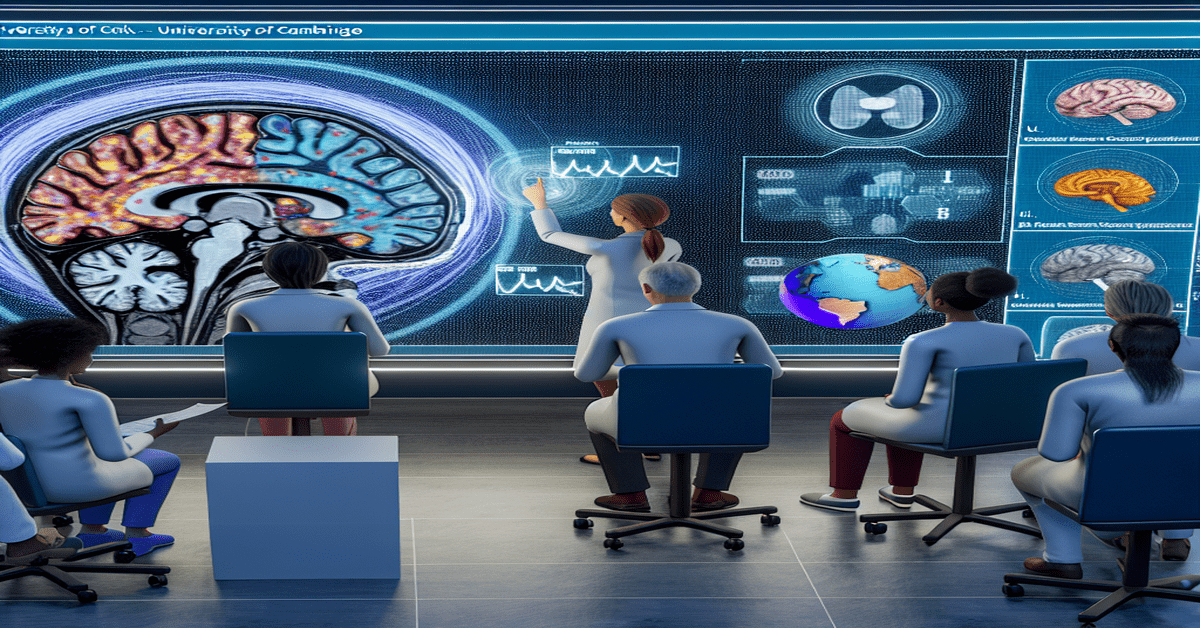
In a groundbreaking study, researchers from the University of Cambridge have developed an artificial intelligence (AI) tool that can predict the progression of Groundbreaking AI disease in individuals showing early signs of dementia. This innovative tool combines cognitive tests and MRI scan data to make predictions with an impressive 82% accuracy, outperforming traditional clinical tests by a factor of three.
The study, published in the journal eClinical Medicine, tested the AI tool on data from over 2,000 participants across the United States, United Kingdom, and Singapore. The tool’s high accuracy in identifying individuals who will develop Alzheimer’s disease makes it a game-changer in the field of dementia research and patient care.
Enhancing Early Intervention and Treatment Planning
One of the most significant implications of this AI tool is its ability to categorize participants into groups based on their risk of progression. By identifying individuals at a higher risk of developing Alzheimer’s disease, healthcare professionals can focus on early intervention and personalized treatment planning. This targeted approach has the potential to improve patient outcomes and quality of life.
Early detection is crucial in the fight against Alzheimer’s disease, as it allows for timely intervention and support. With the AI tool’s enhanced sensitivity, healthcare providers can identify individuals who may benefit from lifestyle changes, cognitive training, and other preventive measures. By taking proactive steps, patients and their families can better prepare for the challenges that come with the progression of the disease.
Reducing the Need for Invasive Diagnostic Tests
Another notable benefit of this AI tool is its potential to reduce the need for costly and invasive diagnostic tests. Traditional methods of diagnosing Alzheimer’s disease often involve expensive neuroimaging techniques and invasive procedures, such as lumbar punctures. By accurately predicting the progression of the disease using cognitive tests and MRI scan data, the AI tool offers a non-invasive alternative that can streamline the diagnostic process and improve patient comfort.
This development aligns with the growing trend of utilizing AI and machine learning in healthcare. As technology advances, we can expect to see more innovative tools that assist medical professionals in making accurate diagnoses and treatment decisions. The integration of AI in dementia research not only benefits patients but also has the potential to reduce healthcare costs and optimize resource allocation.
Driving Advancements in Dementia Research
The University of Cambridge study is a testament to the power of interdisciplinary collaboration in driving advancements in dementia research. By combining expertise from the fields of neuroscience, computer science, and healthcare, researchers have developed a tool that can revolutionize the way we approach Alzheimer’s disease.
As the tool continues to be refined and validated, it has the potential to become a standard part of the diagnostic process for individuals with early signs of dementia. Its high accuracy and sensitivity in predicting Alzheimer’s progression can help researchers better understand the underlying mechanisms of the disease and develop targeted therapies.
Furthermore, the study’s large-scale testing across multiple countries demonstrates the tool’s robustness and applicability to diverse populations. This global approach is essential in addressing the growing burden of Alzheimer’s disease worldwide and ensuring that advancements in research benefit individuals from all backgrounds.
The Future of Groundbreaking AI in Care
As we look to the future, the development of this AI tool marks a significant step forward in the fight against Alzheimer’s disease. With its ability to predict disease progression accurately, the tool has the potential to transform the landscape of dementia care.
However, it is important to note that AI is not a replacement for human expertise and compassion. While the tool can assist healthcare professionals in making informed decisions, it should be used in conjunction with clinical judgment and a personalized approach to patient care.
As research continues to evolve, we can expect to see more AI-driven innovations in the field of dementia. From early detection to personalized treatment plans, AI has the potential to revolutionize the way we care for individuals with Alzheimer’s disease and other forms of dementia.
It is crucial for healthcare organizations, researchers, and policymakers to invest in the development and implementation of AI tools that can improve patient outcomes and support caregivers. By embracing these technological advancements, we can work towards a future where individuals with Alzheimer’s disease receive timely, accurate, and compassionate care.
#AlzheimersDisease #DementiaResearch #ArtificialIntelligence #Groundbreaking AI
- Original article and inspiration provided by Corrie Pelc
- Connect with one of our AI Strategists today at Opahl Technologies
