
AI and the Future of Work: Insights from SF Fed Reserve Chief Mary Daly
In a recent discussion, Mary Daly, the Chief of the San Francisco Federal Reserve, shared her optimistic perspective on the impact of artificial intelligence (AI) on the job Growth market. Daly emphasized that AI is more likely to replace tasks rather than entire job, indicating that the technology has the potential to benefit workers more than it harms them.
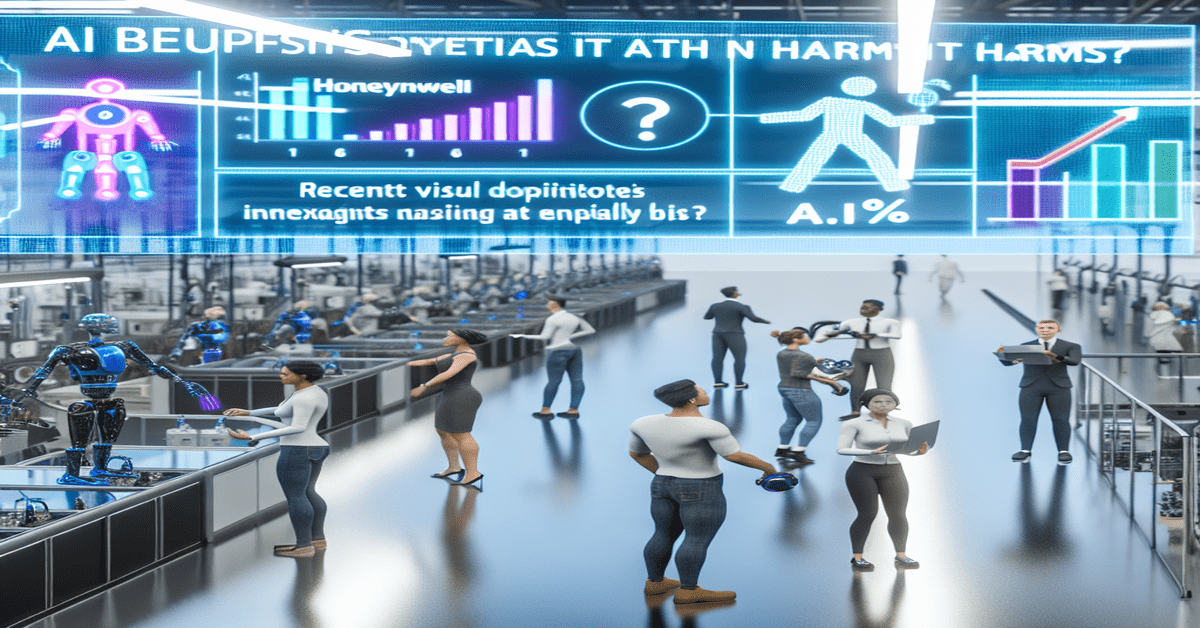
Daly’s comments come at a time when the technology sector continues to thrive, driven by innovations that improve business processes and enhance our daily lives. Despite concerns about AI displacing workers, early signs suggest that the technology is being used to complement rather than replace human employees. For example, Honeywell, a leading industrial company, is leveraging AI to augment its workforce and meet demand more efficiently.
The Evolving Labor Market and Federal Reserve Policy
While the U.S. labor market has experienced a slight softening, with the unemployment rate rising to 4.1% in June, companies are exploring ways to optimize their operations and adapt to changing demands. Daly hinted at potential policy changes, including the possibility of rate cuts, which could have significant implications for businesses and investors.
The Federal Reserve plays a crucial role in shaping economic policy, and Daly acknowledged the complex relationship between interest rate changes and company valuations. She emphasized the importance of maintaining the Fed’s independence and integrity in the decision-making process, ensuring that policies are guided by data and long-term economic stability.
Embracing AI for a Brighter Future Growth
As we navigate the rapidly evolving landscape of AI and its impact on the workforce, it is essential to approach the technology with an open mind and a willingness to adapt. By embracing AI as a tool to enhance productivity and create new opportunities, we can harness its potential to drive economic growth and improve the lives of workers across various industries.
Mary Daly’s insights serve as a reminder that while change can be daunting, it also presents opportunities for innovation and progress. As business leaders and policymakers, it is our responsibility to guide the integration of AI in a way that benefits society as a whole, ensuring that the technology serves as a catalyst for positive change in the years to come.
#ArtificialIntelligence #FutureOfWork #FederalReserve #Growth
Share your thoughts on how AI is shaping the future of work and its potential impact on your industry. What steps can businesses take to leverage AI effectively while supporting their workforce?
- Original article and inspiration provided by Luisa Beltran
- Connect with one of our AI Strategists today at Opahl Technologies